


KONEČNĚ! Už víme, kdo si zahraje Violet a Xadena v seriálu Čtvrté křídlo
Fanoušci Čtvrtého křídla, TOHLE NENÍ CVIČENÍ! Po nekonečných...


Kniha ( měkká vazba )
294 Kč s DPH
Běžně 329 Kč
Nápověda
Jsme transparentní


Při zaslání zboží balíčkem
K nákupu nad 999 Kč dárek zdarma v hodnotě 349 Kč
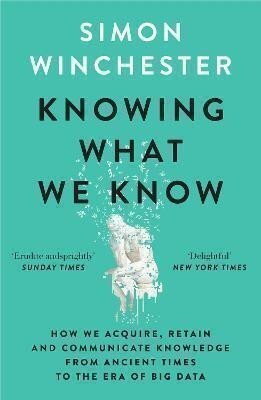
From the creation of the first encyclopedia to Wikipedia, from ancient museums to modern kindergarten classes—here is award-winning writer Simon Winchester’s brilliant and all-encompassing look at how humans acquire, retain, and pass on information and data, and how technology continues to change our lives and our minds. With the advent of the… Přejít na celý popis


From the creation of the first encyclopedia to Wikipedia, from ancient museums to modern kindergarten classes—here is award-winning writer Simon Winchester’s brilliant and all-encompassing look at how humans acquire, retain, and pass on information and data, and how technology continues to change our lives and our minds. With the advent of the internet, any topic we want to know about is instantly available with the touch of a smartphone button.
With so much knowledge at our fingertips, what is there left for our brains to do? At a time when we seem to be stripping all value from the idea of knowing things – no need for maths, no need for map reading, no need for memorisation – are we risking our ability to think? As we empty our minds, will we one day be incapable of thoughtfulness? Addressing these questions, Simon Winchester explores how humans have attained, stored and disseminated knowledge. Examining such disciplines as education, journalism, encyclopedia creation, museum curation, photography and broadcasting, he looks at a whole range of knowledge diffusion – from the cuneiform writings of Babylon to the machine-made genius of artificial intelligence, by way of Gutenberg, Google and Wikipedia to the huge Victorian assemblage of the Mundaneum, the collection of everything ever known, currently stored in a damp basement in northern Belgium. Studded with strange and fascinating details, Knowing What We Know is a deep dive into learning and the human mind.
Throughout this fascinating tour, Winchester forces us to ponder what rational humans are becoming. What good is all this knowledge if it leads to lack of thought? What is information without wisdom? Does René Descartes’ ‘Cogito, ergo sum’—'I think, therefore I am’, the foundation for human knowledge widely accepted since the Enlightenment—still hold? And what will the world be like if no one in it is wise?
0.0 z 5 0 hodnocení čtenářů
0× 5 hvězdiček 0× 4 hvězdičky 0× 3 hvězdičky 0× 2 hvězdičky 0× 1 hvezdička
Získejte přehled o vývoji ceny za posledních 60 dní.
Fanoušci Čtvrtého křídla, TOHLE NENÍ CVIČENÍ! Po nekonečných...
Zapomeňte na romantická gesta, květiny a pohodové vztahy. V říjnu se totiž...
Fanoušci Čtvrtého křídla, máme pro vás skvělou zprávu! Chystaná novinka...
Jsou ženské postavy, se kterými se ztotožníte, nebo je naopak chcete...
Jedna krabice, tisíce příběhů a pořádná dávka knižního Tetrisu! Od 5....
Na Alchymii tajemství jsem se těšila hlavně proto, že Stephanie Garber umí...
Knižní blogerka, moderátorka knižních akcí a organizátorka projektu...
Po deseti letech se vracím na místo činu, na počátek velkolepého příběhu...
Vydání šestého dílu série Dvůr trnů a růží, který ponese název Dvůr...
294 Kč s DPH
Běžně 329 Kč
Jsme transparentní
Ve stínu hor přežívají i ta nejtemnější tajemství
Justyna se vrací do krkonošské boudy Odrodzenie , kde ji čeká zmizelý domovník a zloději ve sklepení. Brzy vyplouvají na povrch tajemství z její temné válečné minulosti a dávná vražda.
Mohlo by vás zajímat
Risa chtěla na univerzitě hlavně nevyčnívat
Jenže jako runová čarodějka má k problémům blíž, než by si přála. Když dostane nabídku přidat se k lovcům nadpřirozených bytostí, čeká ji pořádně divoké dobrodružství.
Mohlo by vás zajímat
Aby zachránila svého bratra, nechá se uvěznit
V Endlocku, brutálním vězení kde bohatí loví vězně pro zábavu, však narazí na dozorce, který jí začne být nebezpečně blízký.
Mohlo by vás zajímat
Digitální svět pod kontrolou!
Programování, umělá inteligence, tvorba her i bezpečnost na internetu – všechno pěkně pohromadě! Pracovní učebnice Informatika v pohodě 9 ukáže deváťákům, jak moderní technologie fungují a jak je využít v praxi.
Mohlo by vás zajímat
Kočičí kletba útočí! Mňauhehe!
Výbušná koťátka se vracejí s pořádnou dávkou kočičí škodolibosti! Karty prokletí dokážou zamíchat každou partií a proměnit zdánlivě nevinný tah v naprostý chaos.
Mohlo by vás zajímat
Clawdeen je zpátky a má pořádné drápky!
Legendární vlkodlačí monsterka se vrací v ikonické podobě první generace Monster High. Původní design, stylové doplňky a pořádná dávka nostalgie dělají z této reedice příšerně skvělý sběratelský kousek.
Mohlo by vás zajímat
Chybičky? Ty jednoduše odletí!
Překlep nebo nepovedené písmenko? Žádný problém! Díky gumovatelnému růžovému inkoustu a integrované gumě zmizí chyby bez škrtání a nevzhledných šmouh.
Každý měsíc společně přečteme tisíce knih





Tento web je chráněn službou reCAPTCHA a platí pro něj Zásady ochrany soukromí a Smluvní podmínky. | © 2001–2026 DOBROVSKÝ s.r.o. Všechna práva vyhrazena.








 KnihyDobrovsky.cz
 knihydobrovsky
 @knihydobrovskycz
 @knihydobrovsky