


„Začala jsem, protože můj muž mě měl už dost.“ | Petra Ženíšková v Buď inspirující
Další díl podcastu Buď inspirující je tady! Tentokrát naše pozvání...


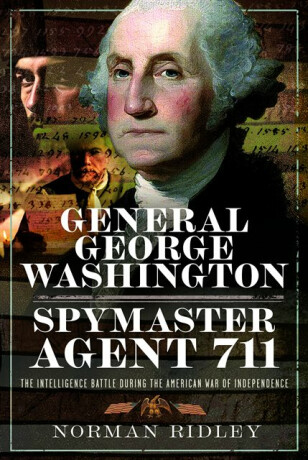
Kniha ( pevná vazba )
825 Kč s DPH
Jsme transparentní


Při zaslání zboží balíčkem
K nákupu nad 699 Kč dárek zdarma v hodnotě 349 Kč
When the American War of Independence broke out, the American, British and French intelligence agencies were particularly well structured, but it soon became apparent to all involved that victory hinged on sound political and military intelligence. While Britain and France had a tradition of conducting espionage, the Americans struggled with… Přejít na celý popis


5.0 z 5 hvězdiček
Voucher


5.0 z 5 hvězdiček
VoucherWhen the American War of Independence broke out, the American, British and French intelligence agencies were particularly well structured, but it soon became apparent to all involved that victory hinged on sound political and military intelligence. While Britain and France had a tradition of conducting espionage, the Americans struggled with an intelligence service that was almost always markedly inferior. Even so, despite this disadvantage, it was they who prevailed.Right from the start, General George Washington had been keenly aware of the importance of the espionage and counterintelligence roles. Under his supervision, several networks of spies operated in both close-knit circles and far-reaching societies. The undercover agents were merchants, tailors, farmers, and other extraordinary patriots with ordinary day jobs. Benjamin Franklin took responsibility for covert action, while John Jay oversaw the counterintelligence work. All three men were all honoured by the CIA in 1997 as the Founding Fathers of the American intelligence services.The British, in particular, required information about geography and terrain unfamiliar to their forces. The British, for example, conducted a campaign of trying to win over the American public and especially the enslaved people of African descent. They also relied in part on spies such as Benedict Arnold, whose name later became synonymous with treason and betrayal.Discounting technology, there are few differences between modern espionage and the techniques and methods of 250 years ago. Double agents, secret writing, dead drops, clandestine meetings, code-making and breakings, sabotage, bribery deception, signals, propaganda, and partisan warfare were all very much in evidence during the revolution. Both sides also mounted disinformation campaigns to confuse and mislead.In no small part, the outcome of a number of Civil War battles, such as Lexington, Concord and Yorktown, owed much to the use of intelligence and the work of America’s spymaster, Agent 711 – General George Washington.
0.0 z 5 0 hodnocení čtenářů
0× 5 hvězdiček 0× 4 hvězdičky 0× 3 hvězdičky 0× 2 hvězdičky 0× 1 hvezdička
Získejte přehled o vývoji ceny za posledních 60 dní.
Další díl podcastu Buď inspirující je tady! Tentokrát naše pozvání...
Vánoce už pomalu klepou na dveře a s nimi přichází i každoroční otázka:...
Říká se, že není důležité vyhrát, ale zúčastnit se. Zkuste to...
V předchozím halloweenském čtení jsme se společně ponořili do umění...
Pro miliony diváků zůstane navždy kapitánem Jeanem-Lucem Picardem ze Star...
Co všechno musí vědět člověk, který komentuje finále mistrovství světa...
Tenhle rok vyšly dvě vlčí romantasy, které mě nesmírně bavily. Jednou z...
Pryč jsou dlouhé teplé letní večery, vládu už definitivně převzal...
Vánoce se pomalu blíží a s nimi také období, kdy bychom měli více myslet...
Vítejte v Cape Carnage! Přijedete jednou, zůstanete nadosmrti.
Morbidně humorná dark romance z přímořského městečka, kde turisté mizí pod květinami a místní zahradnice Harper se zaplete se sériovým vrahem Nolanem.
Mohlo by vás zajímat
Novinka ze světa Haunting Adeline
Sibby cestuje s putovním karnevalem a trestá násilníky, predátory a další zrůdy. Její pravidla jsou jasná, dokud do hry nevstoupí někdo, kdo ji začne přitahovat.
Mohlo by vás zajímat
Aby zachránila svého bratra, nechá se uvěznit
V Endlocku, brutálním vězení kde bohatí loví vězně pro zábavu, však narazí na dozorce, který jí začne být nebezpečně blízký.
Mohlo by vás zajímat
Na plný plyn až do poslední karty!
Připoutejte se, karetní závod právě začíná! UNO Formula 1 Elite Racers spojuje oblíbenou karetní klasiku se světem rychlých monopostů, elitních jezdců a nečekaných herních zvratů.
Mohlo by vás zajímat
HUNTR/X hlásí další hvězdu do sbírky!
Mira v ikonickém outfitu z vystoupení „Golden“. S růžovými vlasy, stylovou bundičkou a výrazným pódiovým vzhledem je připravená zazářit na scéně i v boji proti démonům.
Mohlo by vás zajímat
Medvědí služba? Kdepak, medvědí pomoc!
Překlepy a nepovedená slovíčka nemají šanci! Roztomilý medvídek Legami Sweet Bear je zakryje korekční páskou a vy můžete okamžitě pokračovat v psaní.
Každý měsíc společně přečteme tisíce knih







Tento web je chráněn službou reCAPTCHA a platí pro něj Zásady ochrany soukromí a Smluvní podmínky. | © 2001–2026 DOBROVSKÝ s.r.o. Všechna práva vyhrazena.









 KnihyDobrovsky.cz
 knihydobrovsky
 @knihydobrovskycz
 @knihydobrovsky