


Otevřeli jsme novou prodejnu KNIHY DOBROVSKÝ v Třebíči
Máme dobrou zprávu pro všechny čtenáře z Třebíče a okolí. Nově nás...


Kniha ( pevná vazba )
825 Kč s DPH
Jsme transparentní


Při zaslání zboží balíčkem
K nákupu nad 999 Kč dárek zdarma v hodnotě 339 Kč
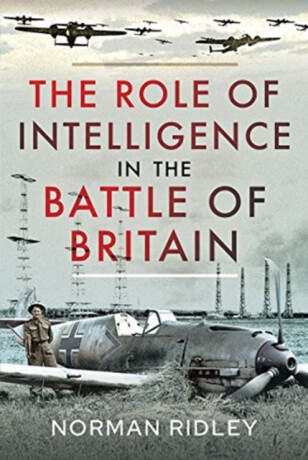
The Battle of Britain was fought between two airborne military elites and was a classic example of pure attack against pure defence. Though it was essentially a 'war of attrition', it was an engagement in which the gathering, assessment and reaction to intelligence played a significant role on both sides. In some respects, both the RAF and… Přejít na celý popis


5.0 z 5 hvězdiček
Voucher


5.0 z 5 hvězdiček
Voucher


5.0 z 5 hvězdiček
Voucher
The Battle of Britain was fought between two airborne military elites and was a classic example of pure attack against pure defence. Though it was essentially a 'war of attrition', it was an engagement in which the gathering, assessment and reaction to intelligence played a significant role on both sides. In some respects, both the RAF and the Luftwaffe were hamstrung in their endeavours during the Battle of Britain by poor intelligence. The most egregious Luftwaffe blunder was its failure to appreciate the true nature of Fighter Command's operational systems and consequently it made fundamental strategic errors when evaluating its plans to degrade them. This was compounded by the Luftwaffe's Intelligence chief, Major Josef 'Beppo' Schmid, whose consistent underestimation of Fighter Command's capabilities had a huge negative impact upon Reichsmarschall Goering's decision-making at all stages of the conflict. Both the Luftwaffe and the RAF lacked detailed information about each other's war production capacity. While the Luftwaffe did have the benefit of pre-war aerial surveillance data it had been unable to update it significantly since the declaration of war in September 1939. Fighter Command did have an distinct advantage through its radar surveillance systems, but this was, in the early stages of the conflict at least, less than totally reliable and it was often difficult to interpret the data coming through due to the inexperience of many of its operators. Another promising source of intelligence was the interception of Luftwaffe communications. It is clear that the Luftwaffe was unable to use intelligence as a 'force multiplier', by concentrating resources effectively, and actually fell into a negative spiral where poor intelligence acted as a 'force diluter', thus wasting resources in strategically questionable areas. The British, despite being essentially unable to predict enemy intentions, did have the means, however imperfect, to respond quickly and effectively to each new strategic initiative rolled out by the Luftwaffe. The result of three years intensive research, in this book the author analyses the way in which both the British and German Intelligence services played a part in the Battle of Britain, thereby attempting to throw light on an aspect of the battle that has been hitherto underexposed to scrutiny.
0.0 z 5 0 hodnocení čtenářů
0× 5 hvězdiček 0× 4 hvězdičky 0× 3 hvězdičky 0× 2 hvězdičky 0× 1 hvezdička
Získejte přehled o vývoji ceny za posledních 60 dní.
Máme dobrou zprávu pro všechny čtenáře z Třebíče a okolí. Nově nás...
Saving 6 je třetím dílem série Kluci z Tommenu. Je to kniha plná bolesti,...
Máte chuť na audioknihu, ale zrovna se vám nechce rozšiřovat knihovničku o...
Sarah J. Maas nám zase hodila drobeček a fandom má samozřejmě o čem...
Když v roce 2024 vznikalo Dobro.čtení, stálo na jasné myšlence: přinést...
Podzimní čtenářská sezona se pomalu rozjíždí a s ní přichází i náš...
Dominika Dhrožňák svou cestu ke psaní začala už kolem dvanácti let, kdy si...
Letošní podzim bude pro český knižní trh výjimečný. Od 7. do 11. října...
Ano, víme, že je teprve září. Ano, víme, že do Vánoc zbývá ještě...
True crime novinka
Po stopách zakladatele děsivého kultu, který vyústil v největší masovou vraždu spojenou se sebevraždou v moderní historii.
Mohlo by vás zajímat
Co kdyby byla Jane Eyrová čarodějka a Thornfield prokletý?
Nad Thornfieldem visí kletba a Jane Airová může být poslední nadějí na její prolomení. Gotická romantasy inspirovaná Janou Eyrovou plná magie, tajemství a nebezpečí.
Mohlo by vás zajímat
Mohlo by vás zajímat
Matika, co počítá s budoucností.
Učebnice, která propojuje čísla, logiku i technologie. Protože i vzorce jdou s dobou.
Mohlo by vás zajímat
Mohlo by vás zajímat
Z filmové garáže na vaši polici
Hot Wheels Premium 84 MUSTANG SVO do sbírky fanoušků Rychle a zběsile i milovníků výrazných sportovních vozů
Mohlo by vás zajímat
Prožijte celý rok ve společnosti knih!
Každý týden vám inspirativní čeští autoři, překladatelé, redaktoři, ilustrátoři a další osobnosti odpoví na jednu zajímavou, vtipnou nebo záludnou otázku.
Každý měsíc společně přečteme tisíce knih







Tento web je chráněn službou reCAPTCHA a platí pro něj Zásady ochrany soukromí a Smluvní podmínky. | © 2001–2026 DOBROVSKÝ s.r.o. Všechna práva vyhrazena.









 KnihyDobrovsky.cz
 knihydobrovsky
 @knihydobrovskycz
 @knihydobrovsky