


Otevřeli jsme novou prodejnu KNIHY DOBROVSKÝ v Třebíči
Máme dobrou zprávu pro všechny čtenáře z Třebíče a okolí. Nově nás...


Kniha ( pevná vazba )
726 Kč s DPH
Jsme transparentní


Při zaslání zboží balíčkem
K nákupu nad 999 Kč dárek zdarma v hodnotě 339 Kč
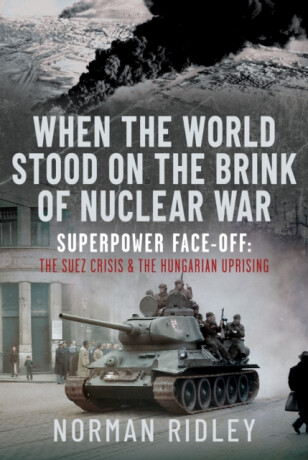
The post-war world was dominated by the U.S.A. and the U.S.S.R., but the events of 1956 exposed their limitations. On 22 October 1956, following Egyptian leader Gamal Abdel Nasser’s nationalisation of the Suez Canal, British Prime Minister Anthony Eden secretly met with French and Israeli leaders in Sevres, France. They agreed that Israel… Přejít na celý popis


5.0 z 5 hvězdiček
Voucher


5.0 z 5 hvězdiček
Voucher


5.0 z 5 hvězdiček
Voucher
The post-war world was dominated by the U.S.A. and the U.S.S.R., but the events of 1956 exposed their limitations. On 22 October 1956, following Egyptian leader Gamal Abdel Nasser’s nationalisation of the Suez Canal, British Prime Minister Anthony Eden secretly met with French and Israeli leaders in Sevres, France. They agreed that Israel would invade Egypt, with Britain and France intervening under the guise of peacemaking to secure control of the canal and topple Nasser.On 23 October, far from the Middle East, hundreds of thousands of protesters in Budapest opposed Soviet occupation, tearing down Stalin statues. The uprising escalated as the Soviet Red Army intervened, leading to twelve days of violence, thousands killed or injured, and 250,000 Hungarians fleeing their country. Britain and France withdrew from the Suez after nine days of fighting, their ambitions thwarted by international pressure and canal closure.The U.S. and U.S.S.R. struggled to influence these events. The U.S., preoccupied with domestic elections and the threat of Soviet nuclear retaliation, could not support Eastern European movements. Soviet actions during the Hungarian uprising weakened their global image.Norman Ridley’s analysis reveals how these crises highlighted the limitations of superpower influence. Despite their nuclear strength, the U.S.A. and U.S.S.R. faced challenges they could not overcome, showing their mutual struggles in shaping the post-war world order.
0.0 z 5 0 hodnocení čtenářů
0× 5 hvězdiček 0× 4 hvězdičky 0× 3 hvězdičky 0× 2 hvězdičky 0× 1 hvezdička
Získejte přehled o vývoji ceny za posledních 60 dní.
Máme dobrou zprávu pro všechny čtenáře z Třebíče a okolí. Nově nás...
Saving 6 je třetím dílem série Kluci z Tommenu. Je to kniha plná bolesti,...
Máte chuť na audioknihu, ale zrovna se vám nechce rozšiřovat knihovničku o...
Sarah J. Maas nám zase hodila drobeček a fandom má samozřejmě o čem...
Když v roce 2024 vznikalo Dobro.čtení, stálo na jasné myšlence: přinést...
Podzimní čtenářská sezona se pomalu rozjíždí a s ní přichází i náš...
Dominika Dhrožňák svou cestu ke psaní začala už kolem dvanácti let, kdy si...
Letošní podzim bude pro český knižní trh výjimečný. Od 7. do 11. října...
Ano, víme, že je teprve září. Ano, víme, že do Vánoc zbývá ještě...
Jako jediná přežila masovou sebevraždu sekty, v níž vyrůstala.
O dvacet let později se jí na ostrově začnou vracet stejné sny, které kdysi předpověděly smrt jejích blízkých.
Mohlo by vás zajímat
Toto není sci-fi, to je příběh, který se stane
Česká republika roku 2060 je rozdělená generačním konfliktem a vražda mladého politika může souviset s podivnou hrou, která ovládá životy mladých. Leoš Kyša přináší mrazivou vizi české budoucnosti.
Mohlo by vás zajímat
Toto není sci-fi, to je příběh, který se stane
Česká republika roku 2060 je rozdělená generačním konfliktem a vražda mladého politika může souviset s podivnou hrou, která ovládá životy mladých. Leoš Kyša přináší mrazivou vizi české budoucnosti.
Mohlo by vás zajímat
Dějiny přehledně pro odborné školy
Učebnice probírá domácí a světové dějiny paralelně. Pomáhá tak studentům pochopit nejen data a události, ale hlavně souvislosti, které formovaly svět.
Mohlo by vás zajímat
Foťák pro malé lovce zážitků
Dětský fotoaparát s okamžitým termotiskem promění každý výlet, oslavu i obyčejné odpoledne v malou foto misi.
Mohlo by vás zajímat
Mohlo by vás zajímat
Stylový štít pro Kindle 2019 a 2020
Funkce Wake/Sleep pro úsporu baterie a magnetické zapínání pro bezpečné zavření.
Každý měsíc společně přečteme tisíce knih






Tento web je chráněn službou reCAPTCHA a platí pro něj Zásady ochrany soukromí a Smluvní podmínky. | © 2001–2026 DOBROVSKÝ s.r.o. Všechna práva vyhrazena.









 KnihyDobrovsky.cz
 knihydobrovsky
 @knihydobrovskycz
 @knihydobrovsky