


„Začala jsem, protože můj muž mě měl už dost.“ | Petra Ženíšková v Buď inspirující
Další díl podcastu Buď inspirující je tady! Tentokrát naše pozvání...


Kniha ( pevná vazba )


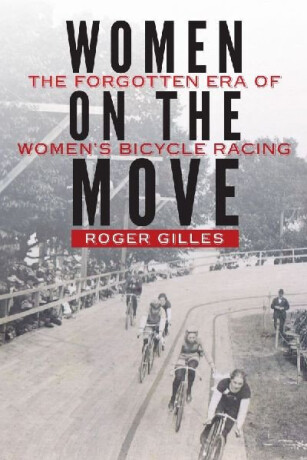
The 1890s was the peak of the American bicycle craze, and consumers, including women, were buying bicycles in large numbers. Despite critics who tried to discourage women from trying this new sport, women took to the bike in huge numbers, and mastery of the bicycle became a metaphor for women’s mastery over their lives. Spurred by the… Přejít na celý popis


5.0 z 5 hvězdiček
Voucher


5.0 z 5 hvězdiček
Voucher


The 1890s was the peak of the American bicycle craze, and consumers, including women, were buying bicycles in large numbers. Despite critics who tried to discourage women from trying this new sport, women took to the bike in huge numbers, and mastery of the bicycle became a metaphor for women’s mastery over their lives. Spurred by the emergence of the “safety” bicycle and the ensuing cultural craze, women’s professional bicycle racing thrived in the United States from 1895 to 1902. For seven years, female racers drew large and enthusiastic crowds across the country, including Cleveland, Detroit, Indianapolis, Chicago, Minneapolis, St. Louis, Kansas City, and New Orleans-and many smaller cities in between. Unlike the trudging, round-the-clock marathons the men (and their spectators) endured, women’s six-day races were tightly scheduled, fast-paced, and highly competitive. The best female racers of the era-Tillie Anderson, Lizzie Glaw, and Dottie Farnsworth-became household names and were America’s first great women athletes. Despite concerted efforts by the League of American Wheelmen to marginalize the sport and by reporters and other critics to belittle and objectify the women, these athletes forced turn-of-the-century America to rethink strongly held convictions about female frailty and competitive spirit. By 1900 many cities began to ban the men’s six-day races, and it became more difficult to ensure competitive women’s races and attract large enough crowds. In 1902 two racers died, and the sport’s seven-year run was finished-and it has been almost entirely ignored in sports history, women’s history, and even bicycling history. Women on the Move tells the full story of America’s most popular arena sport during the 1890s, giving these pioneering athletes the place they deserve in history.
0.0 z 5 0 hodnocení čtenářů
0× 5 hvězdiček 0× 4 hvězdičky 0× 3 hvězdičky 0× 2 hvězdičky 0× 1 hvezdička
Získejte přehled o vývoji ceny za posledních 60 dní.
Další díl podcastu Buď inspirující je tady! Tentokrát naše pozvání...
Vánoce už pomalu klepou na dveře a s nimi přichází i každoroční otázka:...
Říká se, že není důležité vyhrát, ale zúčastnit se. Zkuste to...
V předchozím halloweenském čtení jsme se společně ponořili do umění...
Pro miliony diváků zůstane navždy kapitánem Jeanem-Lucem Picardem ze Star...
Co všechno musí vědět člověk, který komentuje finále mistrovství světa...
Tenhle rok vyšly dvě vlčí romantasy, které mě nesmírně bavily. Jednou z...
Pryč jsou dlouhé teplé letní večery, vládu už definitivně převzal...
Vánoce se pomalu blíží a s nimi také období, kdy bychom měli více myslet...
Od stydlivého kluka, který miloval sport, až po hlas českého hokeje
Robert Záruba v knize vypráví o své cestě ke komentátorskému mikrofonu i o více než 2000 přenosech.
Mohlo by vás zajímat
Novinka ze světa Haunting Adeline
Sibby cestuje s putovním karnevalem a trestá násilníky, predátory a další zrůdy. Její pravidla jsou jasná, dokud do hry nevstoupí někdo, kdo ji začne přitahovat.
Mohlo by vás zajímat
Aby zachránila svého bratra, nechá se uvěznit
V Endlocku, brutálním vězení kde bohatí loví vězně pro zábavu, však narazí na dozorce, který jí začne být nebezpečně blízký.
Mohlo by vás zajímat
Kočičí kletba útočí! Mňauhehe!
Výbušná koťátka se vracejí s pořádnou dávkou kočičí škodolibosti! Karty prokletí dokážou zamíchat každou partií a proměnit zdánlivě nevinný tah v naprostý chaos.
Mohlo by vás zajímat
Mezi řádky se skrývá kouzelný svět!
A tentokrát ho můžete postavit z LEGO® kostek! Propracované dvoupatrové knihkupectví promění vaši knihovnu v místo plné příběhů, fantazie a drobných literárních překvapení.
Mohlo by vás zajímat
Od tenké linky po velké umění!
Od těch nejjemnějších detailů až po výrazné tahy štětcem! STABILO Creative Tips nabízí pět různých typů hrotů, se kterými můžete kreslit, psát, skicovat i vytvářet originální umělecká díla.
Každý měsíc společně přečteme tisíce knih





Tento web je chráněn službou reCAPTCHA a platí pro něj Zásady ochrany soukromí a Smluvní podmínky. | © 2001–2026 DOBROVSKÝ s.r.o. Všechna práva vyhrazena.





 KnihyDobrovsky.cz
 knihydobrovsky
 @knihydobrovskycz
 @knihydobrovsky