
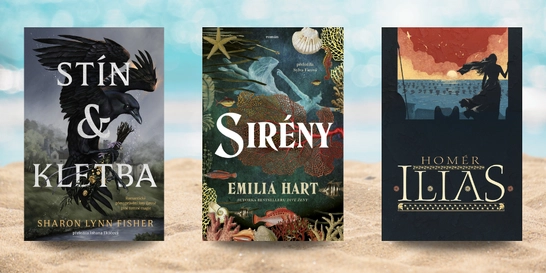
6 červencových novinek, které si přibalit na dovolenou
Slunce svítí, prázdniny jsou v plném proudu a spousta z nás si dopřává...



Kniha ( měkká vazba )
4 785 Kč s DPH
Jsme transparentní


Under the National Pollution Discharge Elimination System (NPDES), many municipal and industrial wastewater treatment facilities must perform Whole Effluent Toxicity (WET) Testing. Regulatory agencies determine the level of compliance of each facility by making inferences about the results of these tests. There has been some concern regarding… Přejít na celý popis

5.0 z 5 hvězdiček
Voucher
5.0 z 5 hvězdiček
Voucher
5.0 z 5 hvězdiček
Voucher
5.0 z 5 hvězdiček
Voucher
Under the National Pollution Discharge Elimination System (NPDES), many municipal and industrial wastewater treatment facilities must perform Whole Effluent Toxicity (WET) Testing. Regulatory agencies determine the level of compliance of each facility by making inferences about the results of these tests. There has been some concern regarding appropriate ways to integrate WET tests into NPDES permits. The central issue of this concern involves determining the relationship between WET tests and instream biological conditions. Previous research (WERF project 95-HHE-1) has examined this issue using historical data. Because of issues with data comparability, i.e. questionable data quality, and project design, results were inconclusive. This study plan was designed to collect new data on method performance for both WET and bioassessment that would help answer the outstanding question. The study plan was designed using a Data Quality Objective (DQO) approach in which DQOs and MQOs were defined. These DQOs and MQOs were characterized using technical input from many scientists from federal, state, and private organizations. It was through this effort that certain technical design issues arose that needed further investigation before implementing the definitive study. Among these issues were determining if DQOs and MQOs were achievable, and determining appropriate biological assessment methods for various ecoregions (e.g. effluent dependent streams in the arid west). In order to appropriately address these issues, it was determined that a pilot study would be implemented before the definitive study. The pilot study is designed as a one-year study in which participating facilities will perform quarterly WET tests (Ceriodaphnia, P. promelas, Selenastrum) and at least one bioassessment (macroinvertebrate, fish, algae) as well as providing other prescribed data requirements. Results of the pilot will provide answers to technique design issues and will ultimately determine the most appropriate study design for the definitive study.
0.0 z 5 0 hodnocení čtenářů
0× 5 hvězdiček 0× 4 hvězdičky 0× 3 hvězdičky 0× 2 hvězdičky 0× 1 hvezdička
Získejte přehled o vývoji ceny za posledních 60 dní.
Slunce svítí, prázdniny jsou v plném proudu a spousta z nás si dopřává...

Pokud vám seriál Heated Rivalry (Spalující rivalita) nedal spát a zhlédli...

Pokud nevíte, zda sáhnout po „nové Lukáškové“, váš osobní...

Tahle kniha se ke mně původně dostala jen proto, abych ji předala někomu z...

Nestihli jste naše žhavé literární odpoledne na Masarykově nádraží, nebo...
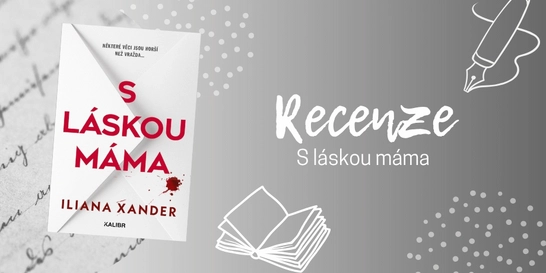
Po dočtení poslední knihy, která byla na můj vkus až příliš...
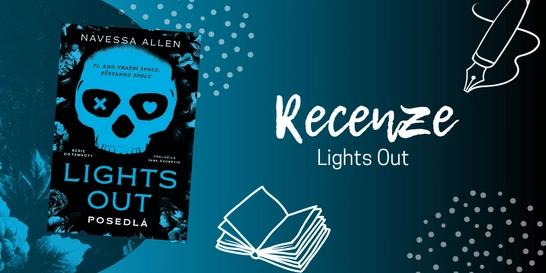
Už jste také někdy spadli do pasti algoritmu sociálních sítí? Znáte to....
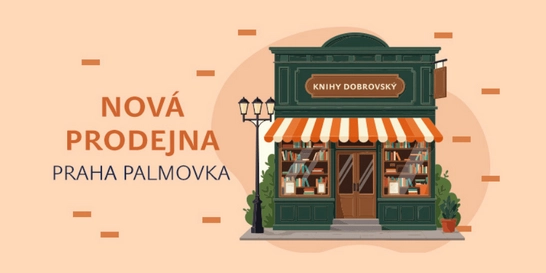
Ne vždycky má člověk chuť vyrážet na nákup do obchodního centra. Někdy...

Pokud jste unavení ze všech těch varování, že světu hrozí atomová válka...
4 785 Kč s DPH
Jsme transparentní
Zběsilá postapo jízda pokračuje
Hřbitov není místo pro slabé povahy ani pro romantické procházky za soumraku. Postapo nářez plný mutací, šílenství a bohů, kteří možná nikdy neměli být probuzeni.

Mohlo by vás zajímat
Nový román Viktorie Hanišové
Když se její otec upálí před Poslaneckou sněmovnou, začne Lada hledat důvody jeho činu.
Mohlo by vás zajímat
Zběsilý postapo svět. Tvrdá pravidla.
Druhý díl, který přitvrzuje. Sněgoňová & Kotleta servírují Arénu, kde přežijí jen ti nejtvrdší. Ostatní skončí jako krmivo.
Mohlo by vás zajímat
Hola, amigo!
Seznamte se s Eliškou, Hugem a sovou Listillo – a objevte španělštinu s úsměvem.
Mohlo by vás zajímat
Modrá klasika do každé aktovky
Žádné zbytečné kouzlení, jen poctivý sešit pro každodenní psaní.
Mohlo by vás zajímat
UNO, tvrdší než kdy předtím
Nelítostné karty, brutální postihy, škodolibá radost a taktické bitvy!
Mohlo by vás zajímat
Královna oslavy!
Cleo září ve zlatém outfitu a přináší monstrózní narozeninovou radost. Přidejte ji do své sbírky Monster High a rozjeďte párty!
Mohlo by vás zajímat
Barevná zábava pro malé umělce
Ideální aktivita na klidné odpoledne, deštivý den nebo kreativní chvilku bez obrazovek.
Každý měsíc společně přečteme tisíce knih






Tento web je chráněn službou reCAPTCHA a platí pro něj Zásady ochrany soukromí a Smluvní podmínky. | © 2001–2026 DOBROVSKÝ s.r.o. Všechna práva vyhrazena.






 KnihyDobrovsky.cz
 knihydobrovsky
 @knihydobrovskycz
 @knihydobrovsky