


Otevřeli jsme novou prodejnu KNIHY DOBROVSKÝ v Třebíči
Máme dobrou zprávu pro všechny čtenáře z Třebíče a okolí. Nově nás...


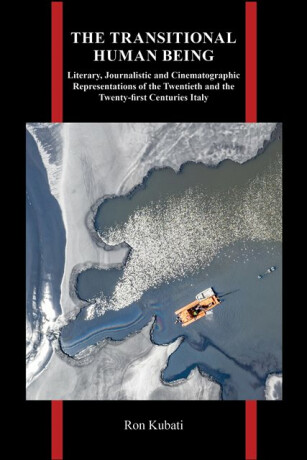
Kniha ( měkká vazba )
1 188 Kč s DPH
Jsme transparentní


This book analyzes the crisis of the idea of human being based on timeless notions, in the Euroamerican context, as seen primarily through literature and cinema. It focuses on Italy, which has been and remains a crossroads for diverse cultural and political currents—open to Mediterranean cultural influences while remaining within a typically… Přejít na celý popis


5.0 z 5 hvězdiček
Voucher


5.0 z 5 hvězdiček
Voucher


5.0 z 5 hvězdiček
Voucher


5.0 z 5 hvězdiček
Voucher
This book analyzes the crisis of the idea of human being based on timeless notions, in the Euroamerican context, as seen primarily through literature and cinema. It focuses on Italy, which has been and remains a crossroads for diverse cultural and political currents—open to Mediterranean cultural influences while remaining within a typically Western cultural context. The "new man," defined by Corrado Alvaro during his trip in Russia in 1934 as "transitional," implies a human being with a fundamental need for change. Instead of the "new man," Italo Calvino in the 1960 preface to his I nostri antenati wrote about the incomplete human being who is always changing, always being completed without ever reaching completion, and thus always in transition.
In these pages, the author examines the twentieth- and twenty-first-centuries Italian metamorphosis of the concept of the human being, mirroring closely at every historical turn the contextual demands of the country. From Brignone's film Sotto la croce del sud (1938), and its faulted "biracial" protagonists to the Netflix series Summertime (2020), characterized by the intentional lack of problematization of a multicultural society; from the fascist manhood represented by Roberto Rossellini's aviator "modern knight of our time"(1942), to Fellini's Marcello who chooses to not choose (1959); from Marinetti's idea of the woman who belonged "to the race's development" (1919) to Mazzacurati's Mara, who wishes "to live thirteen different lives" (2007); from Primo Levi's non-humans and stripped men, to not-belonging, to Arendt's stateless persons, to migrants crossing the desert and the Mediterranean sea in Segre's and Rosi's movies (2008, 2016): the journey chronicled in these pages is a surprising one, as today's Italy is very different than that imagined toward the second half of the nineteenth century.
0.0 z 5 0 hodnocení čtenářů
0× 5 hvězdiček 0× 4 hvězdičky 0× 3 hvězdičky 0× 2 hvězdičky 0× 1 hvezdička
Získejte přehled o vývoji ceny za posledních 60 dní.
Máme dobrou zprávu pro všechny čtenáře z Třebíče a okolí. Nově nás...
Saving 6 je třetím dílem série Kluci z Tommenu. Je to kniha plná bolesti,...
Máte chuť na audioknihu, ale zrovna se vám nechce rozšiřovat knihovničku o...
Sarah J. Maas nám zase hodila drobeček a fandom má samozřejmě o čem...
Když v roce 2024 vznikalo Dobro.čtení, stálo na jasné myšlence: přinést...
Podzimní čtenářská sezona se pomalu rozjíždí a s ní přichází i náš...
Dominika Dhrožňák svou cestu ke psaní začala už kolem dvanácti let, kdy si...
Letošní podzim bude pro český knižní trh výjimečný. Od 7. do 11. října...
Ano, víme, že je teprve září. Ano, víme, že do Vánoc zbývá ještě...
1 188 Kč s DPH
Jsme transparentní
Novinka ze světa Haunting Adeline
Sibby cestuje s putovním karnevalem a trestá násilníky, predátory a další zrůdy. Její pravidla jsou jasná, dokud do hry nevstoupí někdo, kdo ji začne přitahovat.
Mohlo by vás zajímat
Kariérní životní šance nebo životní láska?
Alice dostane šanci napsat životopis slavné dědičky. O stejnou zakázku ale usiluje i nepříjemně přitažlivý držitel Pulitzerovy ceny Hayden Anderson…
Mohlo by vás zajímat
Mohlo by vás zajímat
Literatura přizpůsobená studentům SOU
Učebnice vznikla jako odpověď na potřeby pedagogů i studentů středních odborných učilišť. Srozumitelný, praktický a vizuálně přehledný materiál, který usnadní cestu od prvních literárních období až k maturitě.
Mohlo by vás zajímat
Mohlo by vás zajímat
KPop Demon Hunters připraveny na scénu i souboj
Rumi, Zoey, Mira, Jinu, Baby, Derpy, Sussie… a možná i tajná figurka.
Mohlo by vás zajímat
Každý měsíc společně přečteme tisíce knih






Tento web je chráněn službou reCAPTCHA a platí pro něj Zásady ochrany soukromí a Smluvní podmínky. | © 2001–2026 DOBROVSKÝ s.r.o. Všechna práva vyhrazena.









 KnihyDobrovsky.cz
 knihydobrovsky
 @knihydobrovskycz
 @knihydobrovsky