


7 listopadových knižních novinek: romance, magie i skutečné zločiny
Listopad si přímo říká o večery strávené s knihou. Venku se brzy...


Kniha ( pevná vazba )
1 452 Kč s DPH
Jsme transparentní


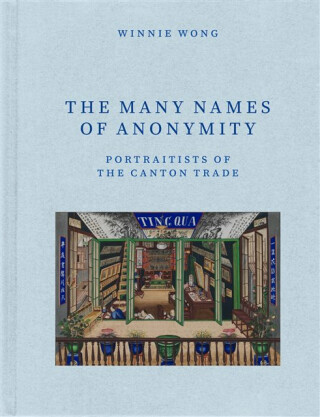
Explores how the function, norms, and meaning of artists’ names in Chinese modernity have been misunderstood. Challenging contemporary procedures for establishing attribution, chronology, and authenticity in Chinese art, Winnie Wong explores the means, methods, and stakes of recovering the names of an anonymous community of artists. To… Přejít na celý popis


5.0 z 5 hvězdiček
Voucher


5.0 z 5 hvězdiček
Voucher
Explores how the function, norms, and meaning of artists’ names in Chinese modernity have been misunderstood. Challenging contemporary procedures for establishing attribution, chronology, and authenticity in Chinese art, Winnie Wong explores the means, methods, and stakes of recovering the names of an anonymous community of artists. To examine how Western art history has misconstrued and miscategorized names and identities in Chinese art, she looks to conflicting features of modernity: the European attachment of singular names to individuals and their works, and the Chinese use of socially contingent names that often are not attached to material labor and sometimes operate against it. Wong charts the genealogy of this naming problem by bringing to life the artists of the Qing Empire’s trade with Europeans at the port of Guangzhou, centering on a group of portraitists known by names that were recorded in a pidgin language: Chin Qua, Chit Qua, Spoilum, Lam Qua, and Ting Qua. Many of these paintings survive today, yet scholars have identified only a handful of the painters’ identities. Pushing against Western norms that have shaped our understanding of authorship, Wong reveals that these artists shared names, created works in multiples, and signed their pieces with different names or none at all. This lavishly illustrated volume explores portraiture across media, including unfired clay, reverse painting on glass, watercolor on paper, oil on canvas, and the daguerreotype, to propose new ways of studying anonymity, copying, and the emergence of author names in the Sino-European visual culture of the long eighteenth century.
0.0 z 5 0 hodnocení čtenářů
0× 5 hvězdiček 0× 4 hvězdičky 0× 3 hvězdičky 0× 2 hvězdičky 0× 1 hvezdička
Získejte přehled o vývoji ceny za posledních 60 dní.
Listopad si přímo říká o večery strávené s knihou. Venku se brzy...
Mezi tvými oblíbenými romány se rozsvítila malá japonská ulička. Má...
Po úspěšných knihách s Erikou Fosterovou a Kate Marshallovou se Robert...
Vánoce jsou za dveřmi a s nimi přichází i každoroční otázka: Co letos...
Další díl podcastu Buď inspirující je tady! Tentokrát naše pozvání...
Vánoce už pomalu klepou na dveře a s nimi přichází i každoroční otázka:...
Říká se, že není důležité vyhrát, ale zúčastnit se. Zkuste to...
V předchozím halloweenském čtení jsme se společně ponořili do umění...
Pro miliony diváků zůstane navždy kapitánem Jeanem-Lucem Picardem ze Star...
1 452 Kč s DPH
Jsme transparentní
Dva soupeřící vrazi. Jedna nebezpečná posedlost.
Mara Eldritchová se ocitne mezi dvěma rivaly, z nichž každý má vlastní temné úmysly. Jeden ji chce využít, druhý je jí posedlý. A oba jsou nebezpečnější, než vypadají.
Mohlo by vás zajímat
Jedna stará fotografie, tři generace žen a celé století rodinných tajemství
Lenka se vydává pátrat po minulosti své rodiny a postupně odhaluje příběhy několika generací poznamenaných tajemstvími i zvraty 20. století.
Mohlo by vás zajímat
Aby zachránila svého bratra, nechá se uvěznit
V Endlocku, brutálním vězení kde bohatí loví vězně pro zábavu, však narazí na dozorce, který jí začne být nebezpečně blízký.
Mohlo by vás zajímat
Na plný plyn až do poslední karty!
Připoutejte se, karetní závod právě začíná! UNO Formula 1 Elite Racers spojuje oblíbenou karetní klasiku se světem rychlých monopostů, elitních jezdců a nečekaných herních zvratů.
Mohlo by vás zajímat
Mezi řádky se skrývá kouzelný svět!
A tentokrát ho můžete postavit z LEGO® kostek! Propracované dvoupatrové knihkupectví promění vaši knihovnu v místo plné příběhů, fantazie a drobných literárních překvapení.
Mohlo by vás zajímat
Strašidelně roztomilá výbava knihomola!
Černá taška, bílý duch a kniha, od které se nedá odtrhnout. Dokonalá kombinace pro podzimní procházky, návštěvy knihkupectví i každodenní výpravy za novými příběhy.
Každý měsíc společně přečteme tisíce knih




Tento web je chráněn službou reCAPTCHA a platí pro něj Zásady ochrany soukromí a Smluvní podmínky. | © 2001–2026 DOBROVSKÝ s.r.o. Všechna práva vyhrazena.




 KnihyDobrovsky.cz
 knihydobrovsky
 @knihydobrovskycz
 @knihydobrovsky