
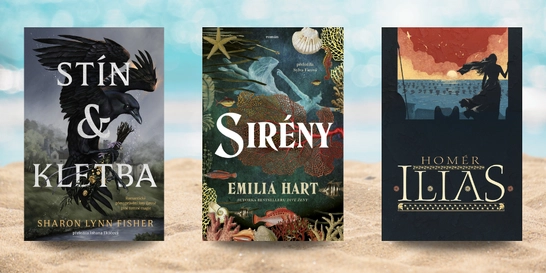
6 červencových novinek, které si přibalit na dovolenou
Slunce svítí, prázdniny jsou v plném proudu a spousta z nás si dopřává...



Kniha ( měkká vazba )
660 Kč s DPH
Jsme transparentní


We live in a world made by science. How and when did this happen? This book tells the story of the extraordinary intellectual and cultural revolution that gave birth to modern science, and mounts a major challenge to the prevailing orthodoxy of its history.Before 1492 it was assumed that all significant knowledge was already available; there… Přejít na celý popis

We live in a world made by science. How and when did this happen? This book tells the story of the extraordinary intellectual and cultural revolution that gave birth to modern science, and mounts a major challenge to the prevailing orthodoxy of its history.Before 1492 it was assumed that all significant knowledge was already available; there was no concept of progress; people looked for understanding to the past not the future. This book argues that the discovery of America demonstrated that new knowledge was possible: indeed it introduced the very concept of ''discovery'', and opened the way to the invention of science.The first crucial discovery was Tycho Brahe''s nova of 1572: proof that there could be change in the heavens. The telescope (1610) rendered the old astronomy obsolete. Torricelli''s experiment with the vacuum (1643) led directly to the triumph of the experimental method in the Royal Society of Boyle and Newton. By 1750 Newtonianism was being celebrated throughout Europe.The new science did not consist simply of new discoveries, or new methods. It relied on a new understanding of what knowledge might be, and with this came a new language: discovery, progress, facts, experiments, hypotheses, theories, laws of nature - almost all these terms existed before 1492, but their meanings were radically transformed so they became tools with which to think scientifically. We all now speak this language of science, which was invented during the Scientific Revolution.The new culture had its martyrs (Bruno, Galileo), its heroes (Kepler, Boyle), its propagandists (Voltaire, Diderot), and its patient labourers (Gilbert, Hooke). It led to a new rationalism, killing off alchemy, astrology, and belief in witchcraft. It led to the invention of the steam engine and to the first Industrial Revolution. David Wootton''s landmark book changes our understanding of how this great transformation came about, and of what science is.
5.0 z 5 1 hodnocení čtenářů
1× 5 hvězdiček 0× 4 hvězdičky 0× 3 hvězdičky 0× 2 hvězdičky 0× 1 hvezdička
Získejte přehled o vývoji ceny za posledních 60 dní.
Slunce svítí, prázdniny jsou v plném proudu a spousta z nás si dopřává...

Pokud vám seriál Heated Rivalry (Spalující rivalita) nedal spát a zhlédli...
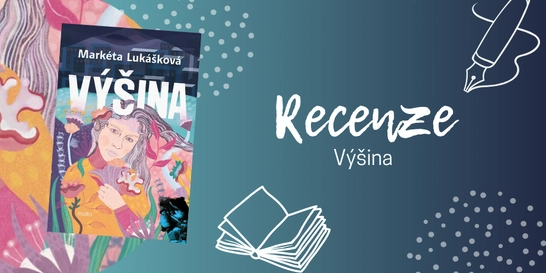
Pokud nevíte, zda sáhnout po „nové Lukáškové“, váš osobní...

Tahle kniha se ke mně původně dostala jen proto, abych ji předala někomu z...
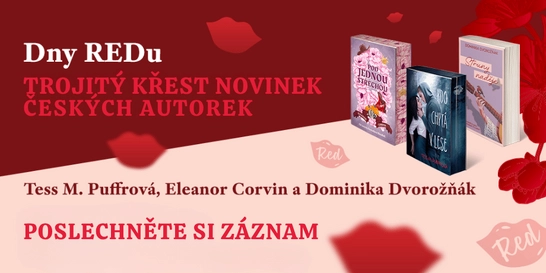
Nestihli jste naše žhavé literární odpoledne na Masarykově nádraží, nebo...
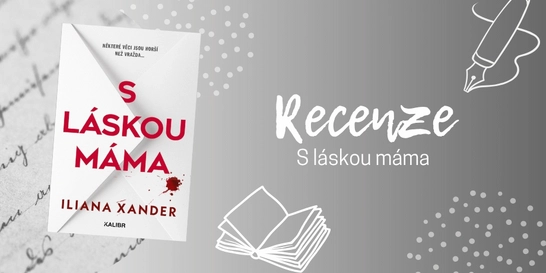
Po dočtení poslední knihy, která byla na můj vkus až příliš...
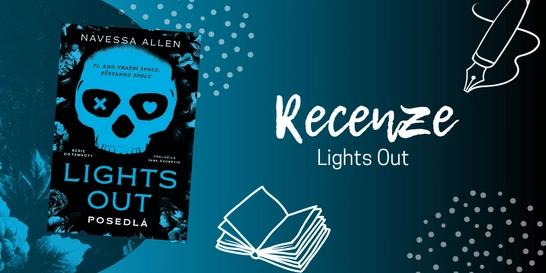
Už jste také někdy spadli do pasti algoritmu sociálních sítí? Znáte to....
Ne vždycky má člověk chuť vyrážet na nákup do obchodního centra. Někdy...
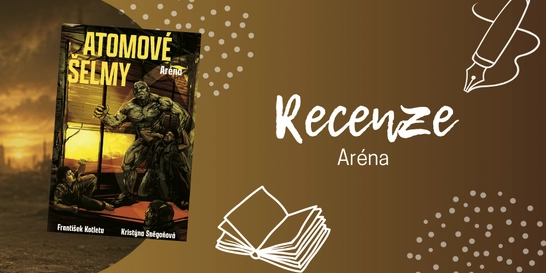
Pokud jste unavení ze všech těch varování, že světu hrozí atomová válka...
660 Kč s DPH
Jsme transparentní
Nová temná romance od Tess M. Puffrové
Měl to být nový začátek. Místo toho ji čeká nebezpečně přitažlivý student, stalking a les plný tajemství, která se neměla dostat ven.

Mohlo by vás zajímat
Nový román Viktorie Hanišové
Když se její otec upálí před Poslaneckou sněmovnou, začne Lada hledat důvody jeho činu.
Mohlo by vás zajímat
Léto na ranči měl být útěk od problémů..
Místo klidu ji čeká přitažlivý šerif, stará tajemství a pocit, že ji někdo sleduje.
Mohlo by vás zajímat
Matika, co počítá s budoucností.
Učebnice, která propojuje čísla, logiku i technologie. Protože i vzorce jdou s dobou.
Mohlo by vás zajímat
Ať víte, kdy je matika, keramika i posilovna
Rozvrhy, kroužky, poznámky i důležité termíny pěkně pohromadě. Praktický školní kalendář pomůže sladit povinnosti i volný čas bez zbytečného zmatku.
Mohlo by vás zajímat
Rychlejší než blesk!
Rozšiřte svou klasickou sadu o Speed Pack a dodejte vašemu UNO nový život.
Mohlo by vás zajímat
Královna oslavy!
Cleo září ve zlatém outfitu a přináší monstrózní narozeninovou radost. Přidejte ji do své sbírky Monster High a rozjeďte párty!
Mohlo by vás zajímat
Kapitola u bazénu? Klidně.
Vodotěsné provedení vám dovolí číst u vody, na pláži i ve vaně bez zbytečných obav.
Každý měsíc společně přečteme tisíce knih



Tento web je chráněn službou reCAPTCHA a platí pro něj Zásady ochrany soukromí a Smluvní podmínky. | © 2001–2026 DOBROVSKÝ s.r.o. Všechna práva vyhrazena.





 KnihyDobrovsky.cz
 knihydobrovsky
 @knihydobrovskycz
 @knihydobrovsky