


„Začala jsem, protože můj muž mě měl už dost.“ | Petra Ženíšková v Buď inspirující
Další díl podcastu Buď inspirující je tady! Tentokrát naše pozvání...


Kniha ( měkká vazba )
1 188 Kč s DPH
Jsme transparentní


Při zaslání zboží balíčkem
K nákupu nad 699 Kč dárek zdarma v hodnotě 349 Kč
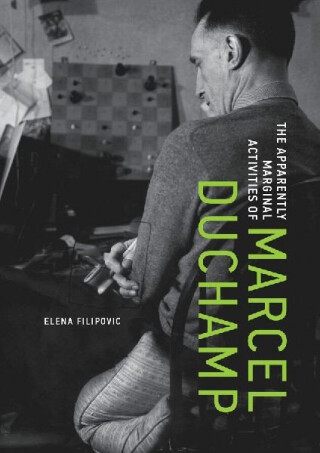
A new understanding of Marcel Duchamp and his significance as an artist through an investigation of his non-art activities—archiving, art-dealing, and, most persistently, curating.This groundbreaking and richly illustrated book tells a new story of the twentieth century's most influential artist, recounted not so much through his artwork as… Přejít na celý popis


5.0 z 5 hvězdiček
Voucher


A new understanding of Marcel Duchamp and his significance as an artist through an investigation of his non-art activities—archiving, art-dealing, and, most persistently, curating.This groundbreaking and richly illustrated book tells a new story of the twentieth century's most influential artist, recounted not so much through his artwork as through his “non-art” work. Marcel Duchamp is largely understood in critical and popular discourse in terms of the objects he produced, whether readymade or meticulously fabricated. Elena Filipovic asks us instead to understand Duchamp's art through activities not normally seen as artistic—from exhibition making and art dealing to administrating and publicizing. These were no occasional pursuits; Filipovic argues that for Duchamp, these fugitive tasks were a veritable lifework.Drawing on many rarely seen images, Filipovic traces a variety of practices and projects undertaken by Duchamp from 1913 to 1969, from his invention of the readymade to the release of his last, posthumous work. She examines Duchamp's note writing, archiving, and quasi-photographic activities, which resulted in the Box of 1914 and the Green Box; his art dealing, marketing, and curating that culminated in experimental exhibitions for the Surrealists and his miniature museum, The Boîte-en-valise; and his administrative efforts and clandestine maneuvering in order to posthumously embed his Étant donnés into a museum. Demonstrating how those activities reflect the artist's questioning of reproduction and originality, as well as photography and the exhibition, Filipovic proposes that Duchamp's “non-art” labor, and in particular his curatorial strategies, more than merely accompanied his more famous artworks; in a certain sense, they made them.Through Duchamp's elusive but vital activities he revised the idea of what a modern artist could be. With this fascinating book, Filipovic in turn revises the very idea of Duchamp.
0.0 z 5 0 hodnocení čtenářů
0× 5 hvězdiček 0× 4 hvězdičky 0× 3 hvězdičky 0× 2 hvězdičky 0× 1 hvezdička
Získejte přehled o vývoji ceny za posledních 60 dní.
Další díl podcastu Buď inspirující je tady! Tentokrát naše pozvání...
Vánoce už pomalu klepou na dveře a s nimi přichází i každoroční otázka:...
Říká se, že není důležité vyhrát, ale zúčastnit se. Zkuste to...
V předchozím halloweenském čtení jsme se společně ponořili do umění...
Pro miliony diváků zůstane navždy kapitánem Jeanem-Lucem Picardem ze Star...
Co všechno musí vědět člověk, který komentuje finále mistrovství světa...
Tenhle rok vyšly dvě vlčí romantasy, které mě nesmírně bavily. Jednou z...
Pryč jsou dlouhé teplé letní večery, vládu už definitivně převzal...
Vánoce se pomalu blíží a s nimi také období, kdy bychom měli více myslet...
1 188 Kč s DPH
Jsme transparentní
Risa chtěla na univerzitě hlavně nevyčnívat
Jenže jako runová čarodějka má k problémům blíž, než by si přála. Když dostane nabídku přidat se k lovcům nadpřirozených bytostí, čeká ji pořádně divoké dobrodružství.
Mohlo by vás zajímat
Mohlo by vás zajímat
Aby zachránila svého bratra, nechá se uvěznit
V Endlocku, brutálním vězení kde bohatí loví vězně pro zábavu, však narazí na dozorce, který jí začne být nebezpečně blízký.
Mohlo by vás zajímat
Zlatá horečka mezi chlupatými bandity!
Lišky, straky a mývalové vyrážejí za blyštivou kořistí a nikdo se nechce dělit! V této svižné karetní hře rozhoduje mazanost, správné načasování a schopnost přelstít soupeře.
Mohlo by vás zajímat
HUNTR/X hlásí další hvězdu do sbírky!
Mira v ikonickém outfitu z vystoupení „Golden“. S růžovými vlasy, stylovou bundičkou a výrazným pódiovým vzhledem je připravená zazářit na scéně i v boji proti démonům.
Mohlo by vás zajímat
Roztočte kolo a připravte chuťové pohárky!
Šest barev, dvanáct možných příchutí a žádná jistota, co vás čeká. Roztočte kolo štěstí a zjistěte, jestli vám náhoda nadělí lahodnou odměnu, nebo nezapomenutelný chuťový zážitek.
Každý měsíc společně přečteme tisíce knih





Tento web je chráněn službou reCAPTCHA a platí pro něj Zásady ochrany soukromí a Smluvní podmínky. | © 2001–2026 DOBROVSKÝ s.r.o. Všechna práva vyhrazena.





 KnihyDobrovsky.cz
 knihydobrovsky
 @knihydobrovskycz
 @knihydobrovsky