


7 listopadových knižních novinek: romance, magie i skutečné zločiny
Listopad si přímo říká o večery strávené s knihou. Venku se brzy...


Kniha ( měkká vazba )
792 Kč s DPH
Jsme transparentní


Při zaslání zboží balíčkem
K nákupu nad 1499 Kč dárek zdarma v hodnotě 399 Kč
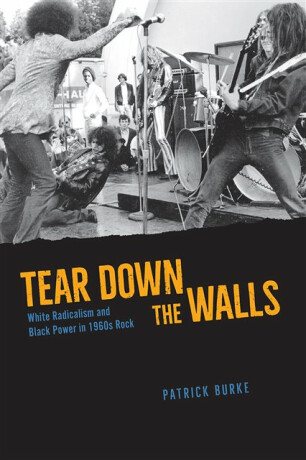
From the earliest days of rock and roll, white artists regularly achieved fame, wealth, and success that eluded the Black artists whose work had preceded and inspired them. This dynamic continued into the 1960s, even as the music and its fans grew to be more engaged with political issues regarding race. In Tear Down the Walls, Patrick Burke… Přejít na celý popis


5.0 z 5 hvězdiček
Voucher

5.0 z 5 hvězdiček
Voucher
From the earliest days of rock and roll, white artists regularly achieved fame, wealth, and success that eluded the Black artists whose work had preceded and inspired them. This dynamic continued into the 1960s, even as the music and its fans grew to be more engaged with political issues regarding race. In Tear Down the Walls, Patrick Burke tells the story of white American and British rock musicians’ engagement with Black Power politics and African American music during the volatile years of 1968 and 1969. The book sheds new light on a significant but overlooked facet of 1960s rock—white musicians and audiences casting themselves as political revolutionaries by enacting a romanticized vision of African American identity. These artists’ attempts to cast themselves as revolutionary were often naïve, misguided, or arrogant, but they could also reflect genuine interest in African American music and culture and sincere investment in anti-racist politics. White musicians such as those in popular rock groups Jefferson Airplane, the Rolling Stones, and the MC5, fascinated with Black performance and rhetoric, simultaneously perpetuated a long history of racial appropriation and misrepresentation and made thoughtful, self-aware attempts to respectfully present African American music in forms that white leftists found politically relevant. In Tear Down the Walls Patrick Burke neither condemns white rock musicians as inauthentic nor elevates them as revolutionary. The result is a fresh look at 1960s rock that provides new insight into how popular music both reflects and informs our ideas about race and how white musicians and activists can engage meaningfully with Black political movements.
0.0 z 5 0 hodnocení čtenářů
0× 5 hvězdiček 0× 4 hvězdičky 0× 3 hvězdičky 0× 2 hvězdičky 0× 1 hvezdička
Získejte přehled o vývoji ceny za posledních 60 dní.
Listopad si přímo říká o večery strávené s knihou. Venku se brzy...
Mezi tvými oblíbenými romány se rozsvítila malá japonská ulička. Má...
Po úspěšných knihách s Erikou Fosterovou a Kate Marshallovou se Robert...
Vánoce jsou za dveřmi a s nimi přichází i každoroční otázka: Co letos...
Další díl podcastu Buď inspirující je tady! Tentokrát naše pozvání...
Vánoce už pomalu klepou na dveře a s nimi přichází i každoroční otázka:...
Říká se, že není důležité vyhrát, ale zúčastnit se. Zkuste to...
V předchozím halloweenském čtení jsme se společně ponořili do umění...
Pro miliony diváků zůstane navždy kapitánem Jeanem-Lucem Picardem ze Star...
792 Kč s DPH
Jsme transparentní
Risa chtěla na univerzitě hlavně nevyčnívat
Jenže jako runová čarodějka má k problémům blíž, než by si přála. Když dostane nabídku přidat se k lovcům nadpřirozených bytostí, čeká ji pořádně divoké dobrodružství.
Mohlo by vás zajímat
Mohlo by vás zajímat
Aby zachránila svého bratra, nechá se uvěznit
V Endlocku, brutálním vězení kde bohatí loví vězně pro zábavu, však narazí na dozorce, který jí začne být nebezpečně blízký.
Mohlo by vás zajímat
Kočičí kletba útočí! Mňauhehe!
Výbušná koťátka se vracejí s pořádnou dávkou kočičí škodolibosti! Karty prokletí dokážou zamíchat každou partií a proměnit zdánlivě nevinný tah v naprostý chaos.
Mohlo by vás zajímat
Spirála plná malých objevů!
Pestrobarevná plyšová spirála promění postýlku, kočárek i autosedačku v malé království zábavy. Veselé barvy, zajímavé tvary a hebký materiál lákají miminko k pozorování a objevování.
Mohlo by vás zajímat
Podzim chutná po skořici!
Zachumlejte se do deky, vezměte do ruky oblíbený hrneček a nechte starosti za dveřmi. Skořicový zázrak přináší tu pravou atmosféru podzimních večerů, kdy se nikam nespěchá.
Každý měsíc společně přečteme tisíce knih





Tento web je chráněn službou reCAPTCHA a platí pro něj Zásady ochrany soukromí a Smluvní podmínky. | © 2001–2026 DOBROVSKÝ s.r.o. Všechna práva vyhrazena.





 KnihyDobrovsky.cz
 knihydobrovsky
 @knihydobrovskycz
 @knihydobrovsky