


„Začala jsem, protože můj muž mě měl už dost.“ | Petra Ženíšková v Buď inspirující
Další díl podcastu Buď inspirující je tady! Tentokrát naše pozvání...


Kniha ( pevná vazba )


Při zaslání zboží balíčkem
K nákupu nad 699 Kč dárek zdarma v hodnotě 349 Kč
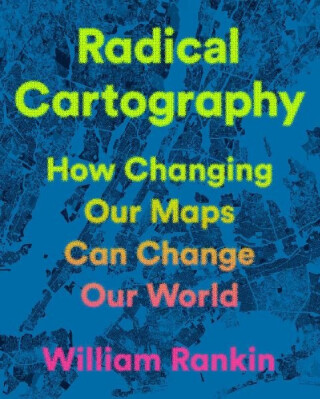
“This is it: the full download from a true genius of cartography. Radical Cartography will make you see maps, and, indeed, your place on the planet, with fresh eyes.”—Daniel Immerwahr, author of How to Hide an Empire. A stunning, thought-provoking exploration of how maps shape our understanding of the world—featuring over 150 full-color maps… Přejít na celý popis


5.0 z 5 hvězdiček
Voucher


“This is it: the full download from a true genius of cartography. Radical Cartography will make you see maps, and, indeed, your place on the planet, with fresh eyes.”—Daniel Immerwahr, author of How to Hide an Empire. A stunning, thought-provoking exploration of how maps shape our understanding of the world—featuring over 150 full-color maps in a gorgeous packageMaps are ubiquitous in contemporary life—not just for navigation, but for making sense of our society, our environment, and even ourselves. In an instant, huge datasets can be plotted on command and we can explore faraway places in exacting detail. Yet the new ease and speed of data mapping can often lead to the same results as ever: over-simplified maps used as tools for top-down control.Cartographer and historian William Rankin argues that it’s time to reimagine what a map can be and how it can be used. Maps are not neutral visualizations of facts. They are innately political, defining how the world is divided, what becomes visible and what stays hidden, and whose voices are heard. What matters isn’t just the topics or the data, but how maps make arguments about how the world works. And the consequences are enormous. A map’s visual argument can change how cities are designed and how rivers flow, how wars are fought and how land claims are settled, how children learn about race and how colonialism becomes a habit of mind. Maps don’t just show us information—they help construct our world.Brimming with vibrant maps, including many “radical” maps created by Rankin himself and by other cutting-edge mapmakers, Radical Cartography exposes the consequences of how maps represent boundaries, layers, people, projections, color, scale, and time. Challenging the map as a tool of the status quo, Rankin empowers readers to embrace three unexpected values for the future of cartography: uncertainty, multiplicity, and subjectivity. Changing the tools—changing the maps—can change the questions we ask, the answers we accept, and the world we build.
0.0 z 5 0 hodnocení čtenářů
0× 5 hvězdiček 0× 4 hvězdičky 0× 3 hvězdičky 0× 2 hvězdičky 0× 1 hvezdička
Získejte přehled o vývoji ceny za posledních 60 dní.
Další díl podcastu Buď inspirující je tady! Tentokrát naše pozvání...
Vánoce už pomalu klepou na dveře a s nimi přichází i každoroční otázka:...
Říká se, že není důležité vyhrát, ale zúčastnit se. Zkuste to...
V předchozím halloweenském čtení jsme se společně ponořili do umění...
Pro miliony diváků zůstane navždy kapitánem Jeanem-Lucem Picardem ze Star...
Co všechno musí vědět člověk, který komentuje finále mistrovství světa...
Tenhle rok vyšly dvě vlčí romantasy, které mě nesmírně bavily. Jednou z...
Pryč jsou dlouhé teplé letní večery, vládu už definitivně převzal...
Vánoce se pomalu blíží a s nimi také období, kdy bychom měli více myslet...
Dva soupeřící vrazi. Jedna nebezpečná posedlost.
Mara Eldritchová se ocitne mezi dvěma rivaly, z nichž každý má vlastní temné úmysly. Jeden ji chce využít, druhý je jí posedlý. A oba jsou nebezpečnější, než vypadají.
Mohlo by vás zajímat
Román s kapkou magie o knihách a druhých šancích
Kolikrát musíte prožít stejný den, abyste konečně začali žít?
Mohlo by vás zajímat
Aby zachránila svého bratra, nechá se uvěznit
V Endlocku, brutálním vězení kde bohatí loví vězně pro zábavu, však narazí na dozorce, který jí začne být nebezpečně blízký.
Mohlo by vás zajímat
Kočičí kletba útočí! Mňauhehe!
Výbušná koťátka se vracejí s pořádnou dávkou kočičí škodolibosti! Karty prokletí dokážou zamíchat každou partií a proměnit zdánlivě nevinný tah v naprostý chaos.
Mohlo by vás zajímat
Mezi řádky se skrývá kouzelný svět!
A tentokrát ho můžete postavit z LEGO® kostek! Propracované dvoupatrové knihkupectví promění vaši knihovnu v místo plné příběhů, fantazie a drobných literárních překvapení.
Mohlo by vás zajímat
24 dní, 24 šálků vánočního kouzla!
Proměňte čekání na Ježíška v ten nejvoňavější adventní rituál. Každý den na vás čeká jiný bio čaj, milá básnička a malé překvapení, které zahřeje nejen ruce, ale i duši.
Každý měsíc společně přečteme tisíce knih





Tento web je chráněn službou reCAPTCHA a platí pro něj Zásady ochrany soukromí a Smluvní podmínky. | © 2001–2026 DOBROVSKÝ s.r.o. Všechna práva vyhrazena.





 KnihyDobrovsky.cz
 knihydobrovsky
 @knihydobrovskycz
 @knihydobrovsky