


„Začala jsem, protože můj muž mě měl už dost.“ | Petra Ženíšková v Buď inspirující
Další díl podcastu Buď inspirující je tady! Tentokrát naše pozvání...


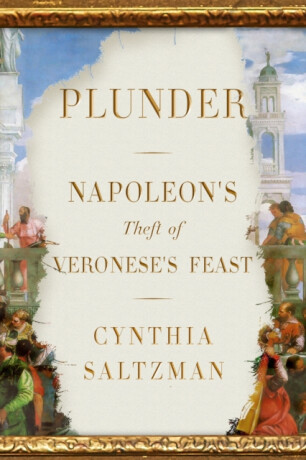
Kniha ( pevná vazba )
990 Kč s DPH
Jsme transparentní


One of The Christian Science Monitor's Ten Best Books of May"A highly original work of history . . . [Saltzman] has written a distinctive study that transcends both art and history and forces us to explore the connections between the two.” —Roger Lowenstein, The Wall Street JournalA captivatingstudy of Napoleon’s plundering of Europe’s art for… Přejít na celý popis


5.0 z 5 hvězdiček
Voucher


5.0 z 5 hvězdiček
Voucher


One of The Christian Science Monitor's Ten Best Books of May"A highly original work of history . . . [Saltzman] has written a distinctive study that transcends both art and history and forces us to explore the connections between the two.” —Roger Lowenstein, The Wall Street JournalA captivatingstudy of Napoleon’s plundering of Europe’s art for the Louvre, told through the story of a Renaissance masterpiece seized from VeniceCynthia Saltzman’s Plunder recounts the fate of Paolo Veronese’s Wedding Feast at Cana, a vast, sublime canvas that the French, under the command of the young Napoleon Bonaparte, tore from a wall of the monastery of San Giorgio Maggiore, on an island in Venice, in 1797. Painted in 1563 during the Renaissance, the picture was immediately hailed as a masterpiece. Veronese had filled the scene with some 130 figures, lavishing color on the canvas to build the illusion that the viewers’ space opened onto a biblical banquet taking place on a terrace in sixteenth-century Venice. Once pulled from the wall, the Venetian canvas crossed the Mediterranean rolled on a cylinder; soon after, artworks commandeered from Venice and Rome were triumphantly brought into Paris. In 1801, the Veronese went on exhibition at the Louvre, the new public art museum founded during the Revolution in the former palace of the French kings. As Saltzman tells the larger story of Napoleon’s looting of Italian art and its role in the creation of the Louvre, she reveals the contradictions of his character: his thirst for greatness—to carry forward the finest aspects of civilization—and his ruthlessness in getting whatever he sought. After Napoleon’s 1815 defeat at Waterloo, the Duke of Wellington and the Allies forced the French to return many of the Louvre’s plundered paintings and sculptures. Nevertheless, The Wedding Feast at Cana remains in Paris to this day, hanging directly across from the Mona Lisa.Expertly researched and deftly told, Plunder chronicles one of the most spectacular art appropriation campaigns in history, one that sheds light on a seminal historical figure and the complex origins of one of the great museums of the world.
0.0 z 5 0 hodnocení čtenářů
0× 5 hvězdiček 0× 4 hvězdičky 0× 3 hvězdičky 0× 2 hvězdičky 0× 1 hvezdička
Získejte přehled o vývoji ceny za posledních 60 dní.
Další díl podcastu Buď inspirující je tady! Tentokrát naše pozvání...
Vánoce už pomalu klepou na dveře a s nimi přichází i každoroční otázka:...
Říká se, že není důležité vyhrát, ale zúčastnit se. Zkuste to...
V předchozím halloweenském čtení jsme se společně ponořili do umění...
Pro miliony diváků zůstane navždy kapitánem Jeanem-Lucem Picardem ze Star...
Co všechno musí vědět člověk, který komentuje finále mistrovství světa...
Tenhle rok vyšly dvě vlčí romantasy, které mě nesmírně bavily. Jednou z...
Pryč jsou dlouhé teplé letní večery, vládu už definitivně převzal...
Vánoce se pomalu blíží a s nimi také období, kdy bychom měli více myslet...
990 Kč s DPH
Jsme transparentní
Risa chtěla na univerzitě hlavně nevyčnívat
Jenže jako runová čarodějka má k problémům blíž, než by si přála. Když dostane nabídku přidat se k lovcům nadpřirozených bytostí, čeká ji pořádně divoké dobrodružství.
Mohlo by vás zajímat
Pokračování bestselleru Vrány
Bára zmizela a Katka zůstává sama s rodiči. Jako jejich “zlaté dítě“ musí být dál bezchybná, zatímco doma se začíná naplno ukazovat všechno, co se dosud snažila přehlížet.
Mohlo by vás zajímat
Aby zachránila svého bratra, nechá se uvěznit
V Endlocku, brutálním vězení kde bohatí loví vězně pro zábavu, však narazí na dozorce, který jí začne být nebezpečně blízký.
Mohlo by vás zajímat
Zlatá horečka mezi chlupatými bandity!
Lišky, straky a mývalové vyrážejí za blyštivou kořistí a nikdo se nechce dělit! V této svižné karetní hře rozhoduje mazanost, správné načasování a schopnost přelstít soupeře.
Mohlo by vás zajímat
Mezi řádky se skrývá kouzelný svět!
A tentokrát ho můžete postavit z LEGO® kostek! Propracované dvoupatrové knihkupectví promění vaši knihovnu v místo plné příběhů, fantazie a drobných literárních překvapení.
Mohlo by vás zajímat
Roztočte kolo a připravte chuťové pohárky!
Šest barev, dvanáct možných příchutí a žádná jistota, co vás čeká. Roztočte kolo štěstí a zjistěte, jestli vám náhoda nadělí lahodnou odměnu, nebo nezapomenutelný chuťový zážitek.
Každý měsíc společně přečteme tisíce knih







Tento web je chráněn službou reCAPTCHA a platí pro něj Zásady ochrany soukromí a Smluvní podmínky. | © 2001–2026 DOBROVSKÝ s.r.o. Všechna práva vyhrazena.









 KnihyDobrovsky.cz
 knihydobrovsky
 @knihydobrovskycz
 @knihydobrovsky