


Ali Hazelwood oznámila pokračování Hypotézy lásky
Mysleli jste si, že příběh Olive a Adama skončil poslední stránkou...


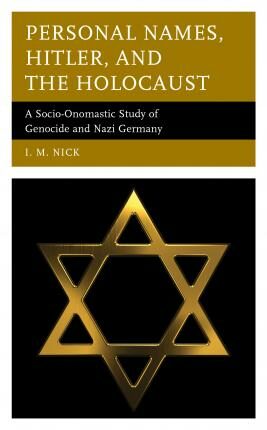
Kniha ( pevná vazba )


This book provides readers with an increased understanding of and sensitivity to the many powerful ways in which personal names are used by both perpetrators and victims during wartime. Whether to declare allegiance or seek refuge, names are routinely used to survive under life-threatening conditions. To illustrate this point, this book… Přejít na celý popis


This book provides readers with an increased understanding of and sensitivity to the many powerful ways in which personal names are used by both perpetrators and victims during wartime. Whether to declare allegiance or seek refuge, names are routinely used to survive under life-threatening conditions. To illustrate this point, this book concentrates on one of the most terrifying and yet fascinating periods of modern history: the Holocaust. More specifically, this book will examine the different ways in which personal names were used by Nationalist Socialists and targeted victims of their genocidal ideology. Although there are many excellent scientific and popular works which have dealt with the Nazi Germany and the Holocaust, to my knowledge, there are none which have examined the importance of naming during this period. This oversight is significant when one considers the incredible importance of personal names during this time. For example, many people are aware of the fact that Jewish residents were forced to wear a yellow star (the Star of David) on their outermost apparel to distinguish them from the Aryan population. It is also generally known, albeit much less so, that as of 1938, all Jewish citizens living within Nazi German or one of its occupied territories were also required to have either the word "Jewish" or the letter "J" stamped in their passports. However, comparatively few people realize is that before those regulations were implemented, Nazi leaders had decreed that all Jewish women and men must add the names `Sara' and `Israel' respectively to their given names. Once the deportations began, the perfidious logic behind this naming (onomastic) legislation became clear: it made it that much easier to pinpoint Jewish residents on official governmental listings (e.g. housing registries, voting rosters, pay rolls, labor union registers, bank accounts, school, university, military, and hospital records, etc.). Once the Jewish residents were identified, new lists of names were drawn up for people designated for relocation to a deportation center; relocation to labour camp; or transportation to an extermination center. By using first-hand accounts of Holocaust survivors, the direct descendants of Nazi war criminals, and chilling cases extracted from international and national archival records, this book presents a harrowing depiction of the way personal names were used during the Third Reich to systematically murder millions to achieve Hitler's dream of a society devoid of cultural diversity. Importantly, the practice of using personal names and naming to identify victims is not an historical anomaly of World War II but is a widespread sociolinguistic practice which has been followed in modern acts of genocide as well. From Rwanda to Bosnia, Berlin to Washington, when normal governmental controls are abridged and ethical boundaries designed to protect the human rights and liberties are violated, very quickly something as simple as a person's name can be used to determine who lives and who dies.
0.0 z 5 0 hodnocení čtenářů
0× 5 hvězdiček 0× 4 hvězdičky 0× 3 hvězdičky 0× 2 hvězdičky 0× 1 hvezdička
Získejte přehled o vývoji ceny za posledních 60 dní.
Mysleli jste si, že příběh Olive a Adama skončil poslední stránkou...
Literární svět přišel o jednoho ze svých nejvýraznějších autorů...
Stačí pár kliknutí a můžete se zaposlouchat. Audioknihu si vyberete na...
Přiznávám se bez mučení: tentokrát jsem se nechala zlákat hlavně...
Máme dobrou zprávu pro všechny čtenáře z Třebíče a okolí. Nově nás...
Saving 6 je třetím dílem série Kluci z Tommenu. Je to kniha plná bolesti,...
Máte chuť na audioknihu, ale zrovna se vám nechce rozšiřovat knihovničku o...
Sarah J. Maas nám zase hodila drobeček a fandom má samozřejmě o čem...
Když v roce 2024 vznikalo Dobro.čtení, stálo na jasné myšlence: přinést...
Co když jsou všechny městské legendy skutečné?
Holland zjistí, že za necelých 24 hodin zemře, pokud nenajde bájné srdce alchymistů. Pátrání ji zavede do tajemného světa magie, kde nemůže věřit ani svému záhadnému ochránci.
Mohlo by vás zajímat
Stromová města, rituální vraždy a zakázaná vášeň
Nová romantasy Šárky Przewozné vás vtáhne do světa bohů, proroctví a dávných lží, kde jediná dívka může změnit vše, čemu její rod po generace věřil.
Mohlo by vás zajímat
Román s kapkou magie o knihách a druhých šancích
Kolikrát musíte prožít stejný den, abyste konečně začali žít?
Mohlo by vás zajímat
Učebnice, co drží krok s dobou.
Nová generace učebnic, která jede podle nejnovějšího RVP, ne podle Windows 95.
Mohlo by vás zajímat
Foťák pro malé lovce zážitků
Dětský fotoaparát s okamžitým termotiskem promění každý výlet, oslavu i obyčejné odpoledne v malou foto misi.
Mohlo by vás zajímat
Z filmové garáže na vaši polici
Hot Wheels Premium 84 MUSTANG SVO do sbírky fanoušků Rychle a zběsile i milovníků výrazných sportovních vozů
Mohlo by vás zajímat
Pevný základ pro první akvarely
Simply-T akvarelový skicák nabízí pevný papír pro vodové barvy, kresbu i kreativní experimenty.
Každý měsíc společně přečteme tisíce knih






Tento web je chráněn službou reCAPTCHA a platí pro něj Zásady ochrany soukromí a Smluvní podmínky. | © 2001–2026 DOBROVSKÝ s.r.o. Všechna práva vyhrazena.









 KnihyDobrovsky.cz
 knihydobrovsky
 @knihydobrovskycz
 @knihydobrovsky