


„Začala jsem, protože můj muž mě měl už dost.“ | Petra Ženíšková v Buď inspirující
Další díl podcastu Buď inspirující je tady! Tentokrát naše pozvání...


Kniha ( pevná vazba )
890 Kč s DPH
Jsme transparentní


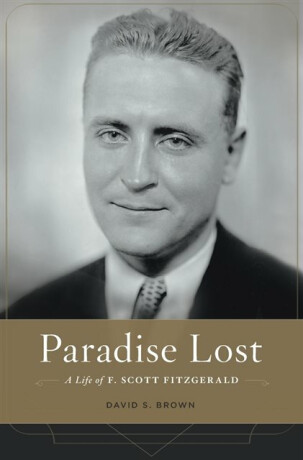
Pigeonholed in popular memory as a Jazz Age epicurean, a playboy, and an emblem of the Lost Generation, F. Scott Fitzgerald was at heart a moralist struck by the nation’s shifting mood and manners after World War I. In Paradise Lost, David Brown contends that Fitzgerald’s deepest allegiances were to a fading antebellum world he associated with… Přejít na celý popis


5.0 z 5 hvězdiček
Voucher


Pigeonholed in popular memory as a Jazz Age epicurean, a playboy, and an emblem of the Lost Generation, F. Scott Fitzgerald was at heart a moralist struck by the nation’s shifting mood and manners after World War I. In Paradise Lost, David Brown contends that Fitzgerald’s deepest allegiances were to a fading antebellum world he associated with his father’s Chesapeake Bay roots. Yet as a midwesterner, an Irish Catholic, and a perpetually in-debt author, he felt like an outsider in the haute bourgeoisie haunts of Lake Forest, Princeton, and Hollywood—places that left an indelible mark on his worldview. In this comprehensive biography, Brown reexamines Fitzgerald’s childhood, first loves, and difficult marriage to Zelda Sayre. He looks at Fitzgerald’s friendship with Hemingway, the golden years that culminated with Gatsby, and his increasing alcohol abuse and declining fortunes which coincided with Zelda’s institutionalization and the nation’s economic collapse. Placing Fitzgerald in the company of Progressive intellectuals such as Charles Beard, Randolph Bourne, and Thorstein Veblen, Brown reveals Fitzgerald as a writer with an encompassing historical imagination not suggested by his reputation as “the chronicler of the Jazz Age.” His best novels, stories, and essays take the measure of both the immediate moment and the more distant rhythms of capital accumulation, immigration, and sexual politics that were moving America further away from its Protestant agrarian moorings. Fitzgerald wrote powerfully about change in America, Brown shows, because he saw it as the dominant theme in his own family history and life.
0.0 z 5 0 hodnocení čtenářů
0× 5 hvězdiček 0× 4 hvězdičky 0× 3 hvězdičky 0× 2 hvězdičky 0× 1 hvezdička
Získejte přehled o vývoji ceny za posledních 60 dní.
Další díl podcastu Buď inspirující je tady! Tentokrát naše pozvání...
Vánoce už pomalu klepou na dveře a s nimi přichází i každoroční otázka:...
Říká se, že není důležité vyhrát, ale zúčastnit se. Zkuste to...
V předchozím halloweenském čtení jsme se společně ponořili do umění...
Pro miliony diváků zůstane navždy kapitánem Jeanem-Lucem Picardem ze Star...
Co všechno musí vědět člověk, který komentuje finále mistrovství světa...
Tenhle rok vyšly dvě vlčí romantasy, které mě nesmírně bavily. Jednou z...
Pryč jsou dlouhé teplé letní večery, vládu už definitivně převzal...
Vánoce se pomalu blíží a s nimi také období, kdy bychom měli více myslet...
890 Kč s DPH
Jsme transparentní
Padla do oka netvorovi. Teď už není cesty zpět.
Killian je okouzlující student medicíny s děsivou fascinací smrtí. Glyndon jako jediná zná jeho pravou tvář, a když jí vyhrožuje zabitím, začíná mezi nimi nebezpečná hra.
Mohlo by vás zajímat
Mohlo by vás zajímat
Aby zachránila svého bratra, nechá se uvěznit
V Endlocku, brutálním vězení kde bohatí loví vězně pro zábavu, však narazí na dozorce, který jí začne být nebezpečně blízký.
Mohlo by vás zajímat
Kočičí kletba útočí! Mňauhehe!
Výbušná koťátka se vracejí s pořádnou dávkou kočičí škodolibosti! Karty prokletí dokážou zamíchat každou partií a proměnit zdánlivě nevinný tah v naprostý chaos.
Mohlo by vás zajímat
A je to! Už 50 let!
Pat a Mat slaví půl století svých nezapomenutelných kutilských dobrodružství. Výroční sada dvou figurek v typických pózách připomene všechny geniální nápady, které se občas tak trochu vymkly kontrole.
Mohlo by vás zajímat
24 dní, 24 šálků vánočního kouzla!
Proměňte čekání na Ježíška v ten nejvoňavější adventní rituál. Každý den na vás čeká jiný bio čaj, milá básnička a malé překvapení, které zahřeje nejen ruce, ale i duši.
Každý měsíc společně přečteme tisíce knih







Tento web je chráněn službou reCAPTCHA a platí pro něj Zásady ochrany soukromí a Smluvní podmínky. | © 2001–2026 DOBROVSKÝ s.r.o. Všechna práva vyhrazena.









 KnihyDobrovsky.cz
 knihydobrovsky
 @knihydobrovskycz
 @knihydobrovsky