


7 listopadových knižních novinek: romance, magie i skutečné zločiny
Listopad si přímo říká o večery strávené s knihou. Venku se brzy...


Kniha ( měkká vazba )
2 310 Kč s DPH
Jsme transparentní


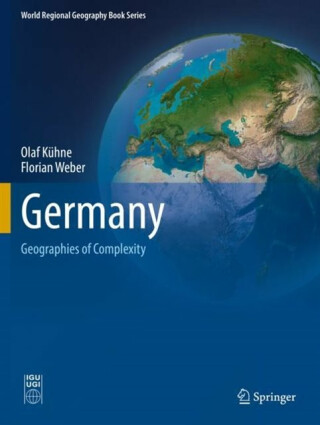
This book addresses the highly differentiated spatial, social, cultural and demographic structure(s) of Germany, with a particular focus on the reciprocal relations between different levels of spatial development.The historical development of Germany serves as a background in order to provide context for the development of spatially relevant… Přejít na celý popis


5.0 z 5 hvězdiček
Voucher
5.0 z 5 hvězdiček
Voucher
This book addresses the highly differentiated spatial, social, cultural and demographic structure(s) of Germany, with a particular focus on the reciprocal relations between different levels of spatial development.
The historical development of Germany serves as a background in order to provide context for the development of spatially relevant ideas and ideals (whether in relation to politics, landscape, or culture). In this regard, questions of divergence and convergence become highly salient.
The book makes the complexity of spatial and social developments in Germany comprehensible. The neopragmatic approach adopted here allows bringing together different theoretical strands while providing a basis for independent regional geographic research at the same time. Beginning with an overview of the physical structures of Germany which provides the material point of departure for the societal development of Germany, key aspects of the German history are discussed. Particular attention is paid to the reciprocal influence between material substrate and notions of landscape. Here, specific ‘German’ trajectories of aesthetic and normative conceptions of landscape become clear.
A common theme throughout the book are questions of divergence and of efforts towards convergence, which become evident when considering past and present economic, political, and demographic developments. Efforts to tackle current challenges, such as adapting to climate change and mitigating it, or securing raw materials, also become apparent. The complexity of spatial processes in Germany is illustrated in case study regions dealing with the challenges of structural change in traditional industrial regions (such as the Ruhr area), or e.g. efforts of Berlin to position and find itself as the capital of a unified Germany.
Overall, the book shows how theory-driven regional geographic research can make spatiotemporal complexities tangible and comprehensible.
0.0 z 5 0 hodnocení čtenářů
0× 5 hvězdiček 0× 4 hvězdičky 0× 3 hvězdičky 0× 2 hvězdičky 0× 1 hvezdička
Získejte přehled o vývoji ceny za posledních 60 dní.
Listopad si přímo říká o večery strávené s knihou. Venku se brzy...
Mezi tvými oblíbenými romány se rozsvítila malá japonská ulička. Má...
Po úspěšných knihách s Erikou Fosterovou a Kate Marshallovou se Robert...
Vánoce jsou za dveřmi a s nimi přichází i každoroční otázka: Co letos...
Další díl podcastu Buď inspirující je tady! Tentokrát naše pozvání...
Vánoce už pomalu klepou na dveře a s nimi přichází i každoroční otázka:...
Říká se, že není důležité vyhrát, ale zúčastnit se. Zkuste to...
V předchozím halloweenském čtení jsme se společně ponořili do umění...
Pro miliony diváků zůstane navždy kapitánem Jeanem-Lucem Picardem ze Star...
2 310 Kč s DPH
Jsme transparentní
Risa chtěla na univerzitě hlavně nevyčnívat
Jenže jako runová čarodějka má k problémům blíž, než by si přála. Když dostane nabídku přidat se k lovcům nadpřirozených bytostí, čeká ji pořádně divoké dobrodružství.
Mohlo by vás zajímat
Mohlo by vás zajímat
Aby zachránila svého bratra, nechá se uvěznit
V Endlocku, brutálním vězení kde bohatí loví vězně pro zábavu, však narazí na dozorce, který jí začne být nebezpečně blízký.
Mohlo by vás zajímat
Pohádka, kterou tvoříte společně!
Vstupte do kouzelného světa Dixitu, kde každý obrázek vypráví tisíc příběhů. Popusťte uzdu představivosti, vymýšlejte originální nápovědy a nechte ostatní hádat, co se vám honí hlavou!
Mohlo by vás zajímat
Nechte svou knihovnu rozkvést!
Zapomeňte na obyčejné knižní zarážky. Garden House promění prostor mezi romány v kouzelné zahradní zákoutí, které díky jemnému LED osvětlení doslova zazáří i po setmění.
Mohlo by vás zajímat
Roztočte kolo a připravte chuťové pohárky!
Šest barev, dvanáct možných příchutí a žádná jistota, co vás čeká. Roztočte kolo štěstí a zjistěte, jestli vám náhoda nadělí lahodnou odměnu, nebo nezapomenutelný chuťový zážitek.
Každý měsíc společně přečteme tisíce knih







Tento web je chráněn službou reCAPTCHA a platí pro něj Zásady ochrany soukromí a Smluvní podmínky. | © 2001–2026 DOBROVSKÝ s.r.o. Všechna práva vyhrazena.









 KnihyDobrovsky.cz
 knihydobrovsky
 @knihydobrovskycz
 @knihydobrovsky