
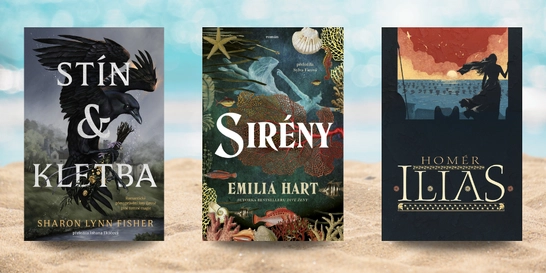
6 červencových novinek, které si přibalit na dovolenou
Slunce svítí, prázdniny jsou v plném proudu a spousta z nás si dopřává...



Kniha ( pevná vazba )


Offering a fresh, revisionist analysis of Spanish fiction from 1900 to 1940, this study examines the work of both men and women writers and how they practiced differing forms of modernism. As Roberta Johnson notes, Spanish male novelists emphasized technical and verbal innovation in representing the contents of an individual consciousness and… Přejít na celý popis

5.0 z 5 hvězdiček
Voucher
5.0 z 5 hvězdiček
Voucher
5.0 z 5 hvězdiček
Voucher
5.0 z 5 hvězdiček
Voucher
Offering a fresh, revisionist analysis of Spanish fiction from 1900 to 1940, this study examines the work of both men and women writers and how they practiced differing forms of modernism. As Roberta Johnson notes, Spanish male novelists emphasized technical and verbal innovation in representing the contents of an individual consciousness and thus were more modernist in the usual understanding of the term. Female writers, on the other hand, were less aesthetically innovative but engaged in a social modernism that focused on domestic issues, gender roles, and relations between the sexes. Compared to the more conventional--even reactionary--ways their male counterparts treated such matters, Spanish women's fiction in the first half of the twentieth century was often revolutionary.The book begins by tracing the history of public discourse on gender from the 1890s through the 1930s, a discourse that included the rise of feminism. Each chapter then analyzes works by female and male novelists that address key issues related to gender and nationalism: the concept of intrahistoria, or an essential Spanish soul; modernist uses of figures from the Spanish literary tradition, notably Don Quixote and Don Juan; biological theories of gender prevalent in the 1920s and 1930s; and the growth of an organized feminist movement that coincided with the burgeoning Republican movement. This is the first book dealing with this period of Spanish literature to consider women novelists, such as Maria Martinez Sierra, Carmen de Burgos, and Concha Espina, alongside canonical male novelists, including Miguel de Unamuno, Ramon del Valle-Inclan, and Pio Baroja. With its contrasting conceptions of modernism, Johnson's work provides a compelling new model for bridging the gender divide in the study of Spanish fiction.
0.0 z 5 0 hodnocení čtenářů
0× 5 hvězdiček 0× 4 hvězdičky 0× 3 hvězdičky 0× 2 hvězdičky 0× 1 hvezdička
Získejte přehled o vývoji ceny za posledních 60 dní.
Slunce svítí, prázdniny jsou v plném proudu a spousta z nás si dopřává...

Pokud vám seriál Heated Rivalry (Spalující rivalita) nedal spát a zhlédli...
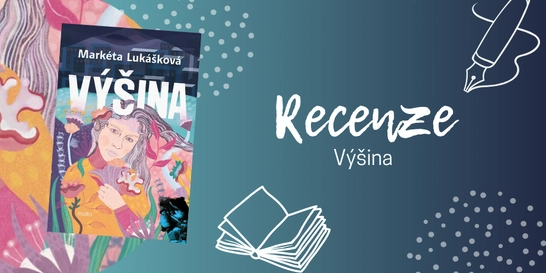
Pokud nevíte, zda sáhnout po „nové Lukáškové“, váš osobní...

Tahle kniha se ke mně původně dostala jen proto, abych ji předala někomu z...

Nestihli jste naše žhavé literární odpoledne na Masarykově nádraží, nebo...
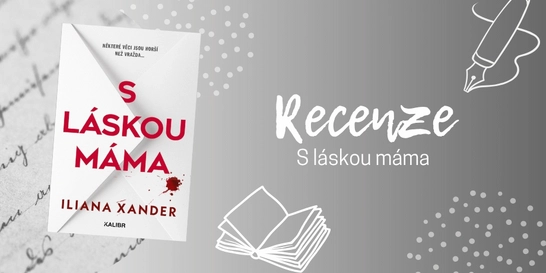
Po dočtení poslední knihy, která byla na můj vkus až příliš...
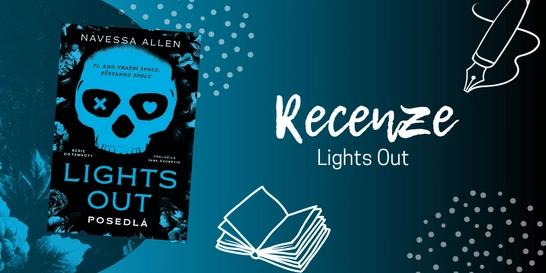
Už jste také někdy spadli do pasti algoritmu sociálních sítí? Znáte to....
Ne vždycky má člověk chuť vyrážet na nákup do obchodního centra. Někdy...
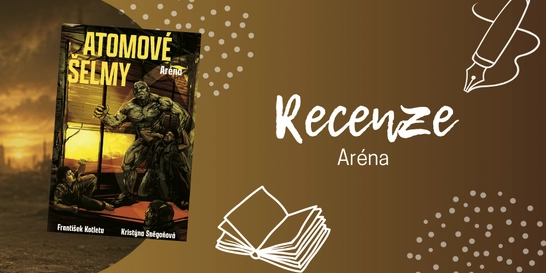
Pokud jste unavení ze všech těch varování, že světu hrozí atomová válka...
Od autorky bestselleru Divé ženy
Román, který vás zavede na větrný australský útes, do městečka opředeného legendami a mezi ženy, jejichž příběhy měly zůstat navždy zapomenuty.

Mohlo by vás zajímat
Caraval vrcholí!
Tella, Scarlett i Legenda stojí před rozhodnutími, která změní jejich osudy. Ve hře je láska, moc i budoucnost celého království.
Mohlo by vás zajímat
Zběsilý postapo svět. Tvrdá pravidla.
Druhý díl, který přitvrzuje. Sněgoňová & Kotleta servírují Arénu, kde přežijí jen ti nejtvrdší. Ostatní skončí jako krmivo.
Mohlo by vás zajímat
Učebnice, co drží krok s dobou.
Nová generace učebnic, která jede podle nejnovějšího RVP, ne podle Windows 95.
Mohlo by vás zajímat
Modrá klasika do každé aktovky
Žádné zbytečné kouzlení, jen poctivý sešit pro každodenní psaní.
Mohlo by vás zajímat
UNO, tvrdší než kdy předtím
Nelítostné karty, brutální postihy, škodolibá radost a taktické bitvy!
Mohlo by vás zajímat
Mohlo by vás zajímat
Kapitola u bazénu? Klidně.
Vodotěsné provedení vám dovolí číst u vody, na pláži i ve vaně bez zbytečných obav.
Každý měsíc společně přečteme tisíce knih







Tento web je chráněn službou reCAPTCHA a platí pro něj Zásady ochrany soukromí a Smluvní podmínky. | © 2001–2026 DOBROVSKÝ s.r.o. Všechna práva vyhrazena.






 KnihyDobrovsky.cz
 knihydobrovsky
 @knihydobrovskycz
 @knihydobrovsky