
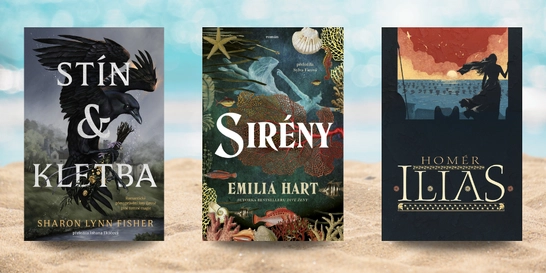
6 červencových novinek, které si přibalit na dovolenou
Slunce svítí, prázdniny jsou v plném proudu a spousta z nás si dopřává...



Kniha ( pevná vazba )
858 Kč s DPH
Jsme transparentní


Nature has gone feral. How can we re-attune ourselves to the new nature? A field guide can help. While the global scientific community recently made headlines by ruling the Anthropocene—an era many date to the Industrial Revolution when human action truly began to transform the planet—did not qualify for a geological epoch quite yet,… Přejít na celý popis
Nature has gone feral. How can we re-attune ourselves to the new nature? A field guide can help. While the global scientific community recently made headlines by ruling the Anthropocene—an era many date to the Industrial Revolution when human action truly began to transform the planet—did not qualify for a geological epoch quite yet, understanding the nature of human transformation of the Earth is more important than ever. The effects of human activity are global in scope, but take shape within distinct social and ecological "patches," discontinuous regions within which the key actors may not be human, but the plants, animals, fungi, viruses, plastics, and chemicals creating our new world. Field Guide to the Patchy Anthropocene takes stock of our current planetary crisis, leading readers through a series of sites, thought experiments, and genre-stretching descriptive practices to nurture a revitalized natural history. Field guides teach us how to notice, name, and so better appreciate more-than-human worlds. They hone our powers of observation and teach us to see the world anew. Field-based observations and place-based knowledge cultivation—getting up-close and personal with patchy dynamics—are vital to truly grapple with the ecological challenges and the historical conjunctures that are bringing us to multiple catastrophic tipping points. How has commercial agriculture runoff given rise to comb jellies in the Black Sea? What role did the Atlantic slave trade play in the worldwide spread of virus-carrying mosquitoes? How did the green revolution transform the brown planthopper into a superpredator in Philippine rice fields? Questions like these open up new ways of understanding, and ways of living through, the epoch that human activity has ushered in. This Field Guide shifts attention away from knowledge extractive practices of globalization to encourage skilled observers of many stripes to pursue their commitments to place, social justice, and multispecies community. It is through attention to the beings, places, ecologies, and histories of the Anthropocene that we can reignite curiosity, wonder, and care for our damaged planet.
0.0 z 5 0 hodnocení čtenářů
0× 5 hvězdiček 0× 4 hvězdičky 0× 3 hvězdičky 0× 2 hvězdičky 0× 1 hvezdička
Získejte přehled o vývoji ceny za posledních 60 dní.
Slunce svítí, prázdniny jsou v plném proudu a spousta z nás si dopřává...

Pokud vám seriál Heated Rivalry (Spalující rivalita) nedal spát a zhlédli...
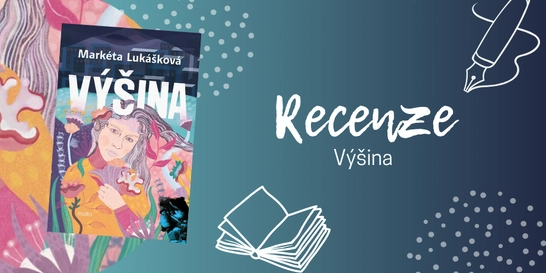
Pokud nevíte, zda sáhnout po „nové Lukáškové“, váš osobní...

Tahle kniha se ke mně původně dostala jen proto, abych ji předala někomu z...

Nestihli jste naše žhavé literární odpoledne na Masarykově nádraží, nebo...
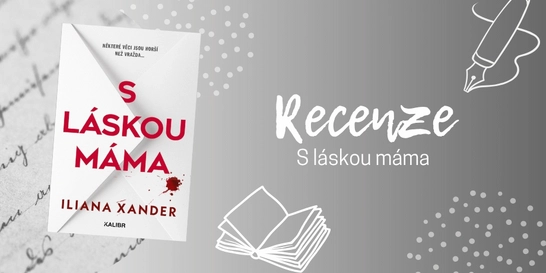
Po dočtení poslední knihy, která byla na můj vkus až příliš...
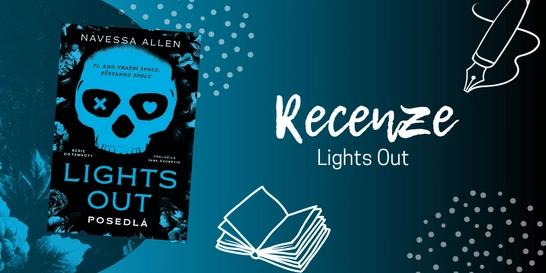
Už jste také někdy spadli do pasti algoritmu sociálních sítí? Znáte to....
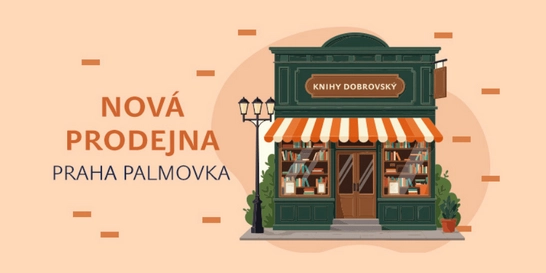
Ne vždycky má člověk chuť vyrážet na nákup do obchodního centra. Někdy...
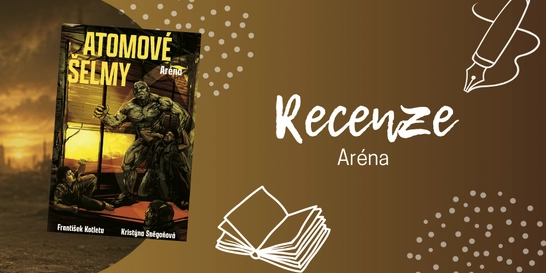
Pokud jste unavení ze všech těch varování, že světu hrozí atomová válka...
858 Kč s DPH
Jsme transparentní
Kariérní životní šance nebo životní láska?
Alice dostane šanci napsat životopis slavné dědičky. O stejnou zakázku ale usiluje i nepříjemně přitažlivý držitel Pulitzerovy ceny Hayden Anderson…

Mohlo by vás zajímat
První detektivka od královny české fantastiky
Příběh, jaký by napsala Agatha Christie, kdyby chtěla, aby byl její hrdina Čech s krizí středního věku.
Mohlo by vás zajímat
Tři ženy, pět století, jedno tajemství...
Dechberoucí příběh o ženské síle, odhodlání a hlubokém spojení s přírodou.
Mohlo by vás zajímat
Učebnice, co drží krok s dobou.
Nová generace učebnic, která jede podle nejnovějšího RVP, ne podle Windows 95.
Mohlo by vás zajímat
Ať víte, kdy je matika, keramika i posilovna
Rozvrhy, kroužky, poznámky i důležité termíny pěkně pohromadě. Praktický školní kalendář pomůže sladit povinnosti i volný čas bez zbytečného zmatku.
Mohlo by vás zajímat
UNO, tvrdší než kdy předtím
Nelítostné karty, brutální postihy, škodolibá radost a taktické bitvy!
Mohlo by vás zajímat
Královna oslavy!
Cleo září ve zlatém outfitu a přináší monstrózní narozeninovou radost. Přidejte ji do své sbírky Monster High a rozjeďte párty!
Mohlo by vás zajímat
Malý kousek galerie na knížky, drobnosti i menší nákup
Plátěná taška Paperblanks Natsu díky pevné bavlněné látce unese až 7 kg.
Každý měsíc společně přečteme tisíce knih






Tento web je chráněn službou reCAPTCHA a platí pro něj Zásady ochrany soukromí a Smluvní podmínky. | © 2001–2026 DOBROVSKÝ s.r.o. Všechna práva vyhrazena.






 KnihyDobrovsky.cz
 knihydobrovsky
 @knihydobrovskycz
 @knihydobrovsky