


„Začala jsem, protože můj muž mě měl už dost.“ | Petra Ženíšková v Buď inspirující
Další díl podcastu Buď inspirující je tady! Tentokrát naše pozvání...


Kniha ( pevná vazba )


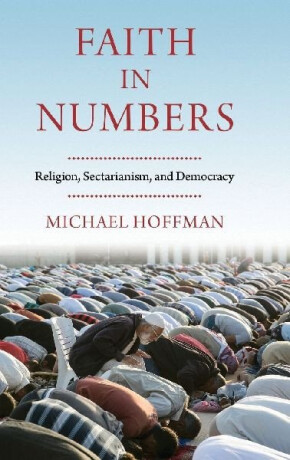
Why does religion sometimes increase support for democracy and sometimes do just the opposite? In Faith in Numbers, political scientist Michael Hoffman presents a theory of religion, group interest, and democracy. Focusing on communal religion, he demonstrates that the effect of communal prayer on support for democracy depends on the interests… Přejít na celý popis


5.0 z 5 hvězdiček
Voucher


5.0 z 5 hvězdiček
Voucher

Why does religion sometimes increase support for democracy and sometimes do just the opposite? In Faith in Numbers, political scientist Michael Hoffman presents a theory of religion, group interest, and democracy. Focusing on communal religion, he demonstrates that the effect of communal prayer on support for democracy depends on the interests of the religious group in question. For members of groups who would benefit from democracy, communal prayer increases support for democratic institutions; for citizens whose groups would lose privileges in the event of democratic reforms, the opposite effect is present. Using a variety of data sources, Hoffman illustrates these claims in multiple contexts. He places particular emphasis on his study of Lebanon and Iraq, two countries in which sectarian divisions have played a major role in political development, by utilizing both existing and original surveys. By examining religious and political preferences among both Muslims and non-Muslims in several religiously diverse settings, Faith in Numbers shows that theological explanations of religion and democracy are inadequate. Rather, it demonstrates that religious identities and sectarian interests play a major part in determining regime preferences and illustrates how Islam in particular can be mobilized for both pro- and anti-democratic purposes. It finds that Muslim religious practice is not necessarily anti-democratic; in fact, in a number of settings, practicing Muslims are considerably more supportive of democracy than their secular counterparts. Theological differences alone do not determine whether members of religious groups tend to support or oppose democracy; rather, their participation in communal worship motivates them to view democracy through a sectarian lens.
0.0 z 5 0 hodnocení čtenářů
0× 5 hvězdiček 0× 4 hvězdičky 0× 3 hvězdičky 0× 2 hvězdičky 0× 1 hvezdička
Získejte přehled o vývoji ceny za posledních 60 dní.
Další díl podcastu Buď inspirující je tady! Tentokrát naše pozvání...
Vánoce už pomalu klepou na dveře a s nimi přichází i každoroční otázka:...
Říká se, že není důležité vyhrát, ale zúčastnit se. Zkuste to...
V předchozím halloweenském čtení jsme se společně ponořili do umění...
Pro miliony diváků zůstane navždy kapitánem Jeanem-Lucem Picardem ze Star...
Co všechno musí vědět člověk, který komentuje finále mistrovství světa...
Tenhle rok vyšly dvě vlčí romantasy, které mě nesmírně bavily. Jednou z...
Pryč jsou dlouhé teplé letní večery, vládu už definitivně převzal...
Vánoce se pomalu blíží a s nimi také období, kdy bychom měli více myslet...
Od stydlivého kluka, který miloval sport, až po hlas českého hokeje
Robert Záruba v knize vypráví o své cestě ke komentátorskému mikrofonu i o více než 2000 přenosech.
Mohlo by vás zajímat
Jedna stará fotografie, tři generace žen a celé století rodinných tajemství
Lenka se vydává pátrat po minulosti své rodiny a postupně odhaluje příběhy několika generací poznamenaných tajemstvími i zvraty 20. století.
Mohlo by vás zajímat
Aby zachránila svého bratra, nechá se uvěznit
V Endlocku, brutálním vězení kde bohatí loví vězně pro zábavu, však narazí na dozorce, který jí začne být nebezpečně blízký.
Mohlo by vás zajímat
Na plný plyn až do poslední karty!
Připoutejte se, karetní závod právě začíná! UNO Formula 1 Elite Racers spojuje oblíbenou karetní klasiku se světem rychlých monopostů, elitních jezdců a nečekaných herních zvratů.
Mohlo by vás zajímat
HUNTR/X hlásí další hvězdu do sbírky!
Mira v ikonickém outfitu z vystoupení „Golden“. S růžovými vlasy, stylovou bundičkou a výrazným pódiovým vzhledem je připravená zazářit na scéně i v boji proti démonům.
Mohlo by vás zajímat
Podzim chutná po skořici!
Zachumlejte se do deky, vezměte do ruky oblíbený hrneček a nechte starosti za dveřmi. Skořicový zázrak přináší tu pravou atmosféru podzimních večerů, kdy se nikam nespěchá.
Každý měsíc společně přečteme tisíce knih





Tento web je chráněn službou reCAPTCHA a platí pro něj Zásady ochrany soukromí a Smluvní podmínky. | © 2001–2026 DOBROVSKÝ s.r.o. Všechna práva vyhrazena.





 KnihyDobrovsky.cz
 knihydobrovsky
 @knihydobrovskycz
 @knihydobrovsky