
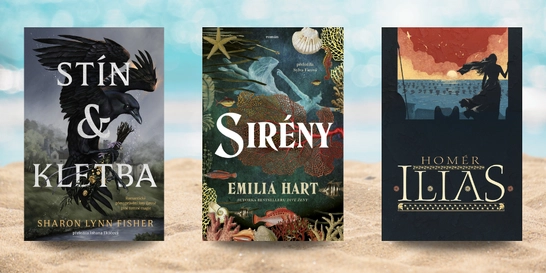
6 červencových novinek, které si přibalit na dovolenou
Slunce svítí, prázdniny jsou v plném proudu a spousta z nás si dopřává...



Kniha ( měkká vazba )
4 785 Kč s DPH
Jsme transparentní


This project evaluated the quality of data needed to determine relationships between chronic Whole Effluent Toxicity (WET) test results and in-stream biological condition. A data quality objectives approach was used, which included several proposed measurement quality objectives (MQOs) that specified desired precision, bias, and sensitivity of… Přejít na celý popis

5.0 z 5 hvězdiček
Voucher
5.0 z 5 hvězdiček
Voucher
5.0 z 5 hvězdiček
Voucher
5.0 z 5 hvězdiček
Voucher
This project evaluated the quality of data needed to determine relationships between chronic Whole Effluent Toxicity (WET) test results and in-stream biological condition. A data quality objectives approach was used, which included several proposed measurement quality objectives (MQOs) that specified desired precision, bias, and sensitivity of methods used. Six facilities (four eastern and two western U.S.) participated in this study, all having design effluent concentrations > 60% of the stream flow. In accordance with a Quality Assurance Project Plan most of the facilities completed four quarters of chronic Ceriodaphnia dubia, and Pimephales promelas (fathead minnow) WET tests, and three quarters of Selenastrum capricornutum (green algae) WET testing following the most recent USEPA methods. Several other WET tests were conducted to address MQOs including splits, duplicates, and blind positive and negative controls. Macroinvertebrate, fish, and periphyton bioassessments were conducted at multiple locations up and downstream of each facility following the most recent USEPA Office of Water bioassessment protocols. Test acceptance criteria were met for most WET tests, however, this study demonstrated the need to incorporate other MQOs in a full study (such as minimum and maximum percent significant differences and performance on blind samples) to ensure accurate interpretation of effluent toxicity. More false positives, lower test endpoint (i.e., higher toxicity), and more "failed" (non-compliant) tests were observed using No Observed Effect Concentrations (NOEC) as compared to IC25s (concentration causing >= 25% decrease in organism response compared to controls). Algae tests often yielded the most effluent toxicity in this study, however, this test was most susceptible to false positives and high inter-laboratory variability. WET test results exhibited few relationships with bioassessment results, even when incorporating actual effluent dilution. Neither frequency of WET non-compliance nor magnitude of WET were clearly related to differences in biological condition up and downstream of a discharge for the most part. Macroinvertebrate assessments were most able to discriminate small changes downstream of the effluent, followed by periphyton and then fish. The sampling methods used were robust but a full study should collect more field replicates up and downstream of each discharge to increase detection power. Macroinvertebrate and periphyton assessments together appeared to be sufficient to address project objectives. Fish assessments could be useful as well but would entail more effort and cost per site than expended in this project, to be useful.
0.0 z 5 0 hodnocení čtenářů
0× 5 hvězdiček 0× 4 hvězdičky 0× 3 hvězdičky 0× 2 hvězdičky 0× 1 hvezdička
Získejte přehled o vývoji ceny za posledních 60 dní.
Slunce svítí, prázdniny jsou v plném proudu a spousta z nás si dopřává...

Pokud vám seriál Heated Rivalry (Spalující rivalita) nedal spát a zhlédli...

Pokud nevíte, zda sáhnout po „nové Lukáškové“, váš osobní...

Tahle kniha se ke mně původně dostala jen proto, abych ji předala někomu z...

Nestihli jste naše žhavé literární odpoledne na Masarykově nádraží, nebo...

Po dočtení poslední knihy, která byla na můj vkus až příliš...
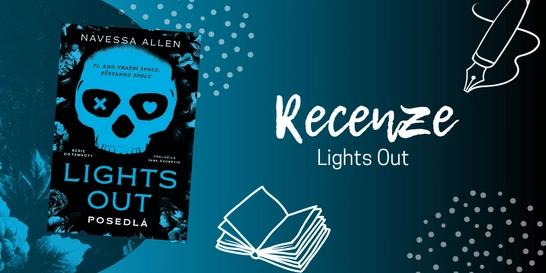
Už jste také někdy spadli do pasti algoritmu sociálních sítí? Znáte to....

Ne vždycky má člověk chuť vyrážet na nákup do obchodního centra. Někdy...

Pokud jste unavení ze všech těch varování, že světu hrozí atomová válka...
4 785 Kč s DPH
Jsme transparentní
Caraval vrcholí!
Tella, Scarlett i Legenda stojí před rozhodnutími, která změní jejich osudy. Ve hře je láska, moc i budoucnost celého království.

Mohlo by vás zajímat
První detektivka od královny české fantastiky
Příběh, jaký by napsala Agatha Christie, kdyby chtěla, aby byl její hrdina Čech s krizí středního věku.
Mohlo by vás zajímat
Zběsilý postapo svět. Tvrdá pravidla.
Druhý díl, který přitvrzuje. Sněgoňová & Kotleta servírují Arénu, kde přežijí jen ti nejtvrdší. Ostatní skončí jako krmivo.
Mohlo by vás zajímat
Matika, co počítá s budoucností.
Učebnice, která propojuje čísla, logiku i technologie. Protože i vzorce jdou s dobou.
Mohlo by vás zajímat
Modrá klasika do každé aktovky
Žádné zbytečné kouzlení, jen poctivý sešit pro každodenní psaní.
Mohlo by vás zajímat
UNO, tvrdší než kdy předtím
Nelítostné karty, brutální postihy, škodolibá radost a taktické bitvy!
Mohlo by vás zajímat
Královna oslavy!
Cleo září ve zlatém outfitu a přináší monstrózní narozeninovou radost. Přidejte ji do své sbírky Monster High a rozjeďte párty!
Mohlo by vás zajímat
Barevná zábava pro malé umělce
Ideální aktivita na klidné odpoledne, deštivý den nebo kreativní chvilku bez obrazovek.
Každý měsíc společně přečteme tisíce knih






Tento web je chráněn službou reCAPTCHA a platí pro něj Zásady ochrany soukromí a Smluvní podmínky. | © 2001–2026 DOBROVSKÝ s.r.o. Všechna práva vyhrazena.





 KnihyDobrovsky.cz
 knihydobrovsky
 @knihydobrovskycz
 @knihydobrovsky