

6 červencových novinek, které si přibalit na dovolenou
Slunce svítí, prázdniny jsou v plném proudu a spousta z nás si dopřává...



Kniha ( měkká vazba )
4 785 Kč s DPH
Jsme transparentní


With the recent advent of improved analytical and biomarker detection capabilities, a variety of organic chemicals have been found in trace amounts (Trace Organic Chemicals, TOrCs) in surface waters and fish tissue. TOrCs include pharmaceuticals, personal care products, surfactants, pesticides, flame retardants, and other organic chemicals,… Přejít na celý popis

5.0 z 5 hvězdiček
Voucher
5.0 z 5 hvězdiček
Voucher
5.0 z 5 hvězdiček
Voucher
5.0 z 5 hvězdiček
Voucher
With the recent advent of improved analytical and biomarker detection capabilities, a variety of organic chemicals have been found in trace amounts (Trace Organic Chemicals, TOrCs) in surface waters and fish tissue. TOrCs include pharmaceuticals, personal care products, surfactants, pesticides, flame retardants, and other organic chemicals, some with unknown modes of action or effects. Identifying or predicting ecological effects of TOrCs in typical aquatic multi-stressor situations is challenging, requiring a variety of epidemiological tools that together, can diagnose effects at multiple scales of ecological organization. Five objectives were addressed in this research: (1) develop and apply a procedure to prioritize which TOrCs are of most concern; (2) develop and test a conceptual site screening framework; (3) evaluate and test diagnostic approaches to identify potential risks due to TOrCs using various case studies; (4) develop a relational database and user interface with which the water resource community can enter, store, and search TOrC exposure data in the U.S.; and (5) foster partnerships and transfer knowledge gained in this research to the water quality community. TOrC fate, effects, and occurrence data were compiled in a database for over 500 organic chemicals based on over 100 published studies representing more than 50 organizations and 700 sites. Alternative risk-based prioritization processes and draft lists of high priority TOrCs were developed. A preliminary site screening and diagnostic framework was developed and evaluated using seven different case study sites. EPAÂ’s causal analysis (stressor identification) procedures, CanadaÂ’s Environmental Effects Monitoring (EEM) procedure, the ecosystem model CASM (Comprehensive Aquatic System Model), and several other specialized diagnostic tools were used and evaluated. A relational database based on Tetra TechÂ’s EDAS2 was developed using the Microsoft platform. The modified version of EDAS2, built on the EPA WQX data model, provides web-based data queries using a combination of tabular data for downloads and a visual map interface that allows the user to view, query, and select sites from the map having chemical or biological data. The database is not discussed in this report but can be accessed through WERF. This Final Report summarizes all other approaches used and results obtained in this research, discusses critical data gaps and other important uncertainties, and provides testable hypotheses and recommendations for Phase 2 testing and analyses.
0.0 z 5 0 hodnocení čtenářů
0× 5 hvězdiček 0× 4 hvězdičky 0× 3 hvězdičky 0× 2 hvězdičky 0× 1 hvezdička
Získejte přehled o vývoji ceny za posledních 60 dní.
Slunce svítí, prázdniny jsou v plném proudu a spousta z nás si dopřává...

Pokud vám seriál Heated Rivalry (Spalující rivalita) nedal spát a zhlédli...
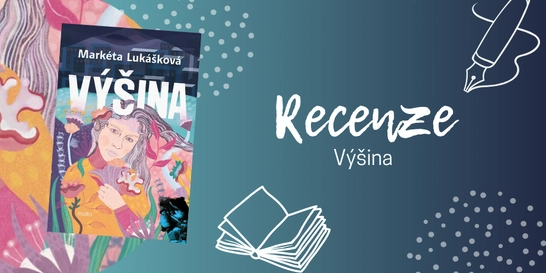
Pokud nevíte, zda sáhnout po „nové Lukáškové“, váš osobní...

Tahle kniha se ke mně původně dostala jen proto, abych ji předala někomu z...

Nestihli jste naše žhavé literární odpoledne na Masarykově nádraží, nebo...
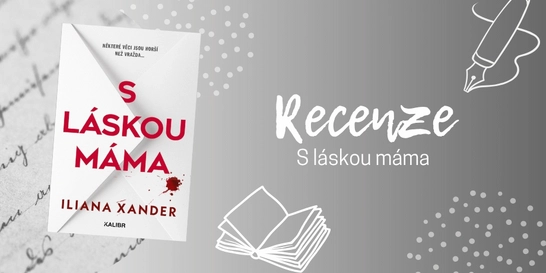
Po dočtení poslední knihy, která byla na můj vkus až příliš...
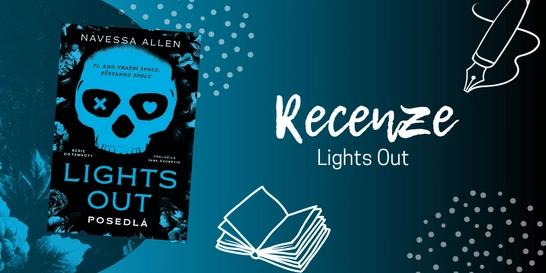
Už jste také někdy spadli do pasti algoritmu sociálních sítí? Znáte to....
Ne vždycky má člověk chuť vyrážet na nákup do obchodního centra. Někdy...
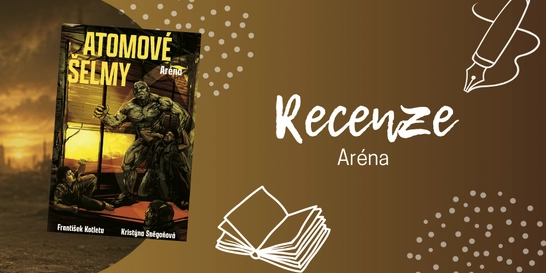
Pokud jste unavení ze všech těch varování, že světu hrozí atomová válka...
4 785 Kč s DPH
Jsme transparentní
Stromová města, rituální vraždy a zakázaná vášeň
Nová romantasy Šárky Przewozné vás vtáhne do světa bohů, proroctví a dávných lží, kde jediná dívka může změnit vše, čemu její rod po generace věřil.

Mohlo by vás zajímat
První detektivka od královny české fantastiky
Příběh, jaký by napsala Agatha Christie, kdyby chtěla, aby byl její hrdina Čech s krizí středního věku.
Mohlo by vás zajímat
Zběsilý postapo svět. Tvrdá pravidla.
Druhý díl, který přitvrzuje. Sněgoňová & Kotleta servírují Arénu, kde přežijí jen ti nejtvrdší. Ostatní skončí jako krmivo.
Mohlo by vás zajímat
Matika, co počítá s budoucností.
Učebnice, která propojuje čísla, logiku i technologie. Protože i vzorce jdou s dobou.
Mohlo by vás zajímat
Ať víte, kdy je matika, keramika i posilovna
Rozvrhy, kroužky, poznámky i důležité termíny pěkně pohromadě. Praktický školní kalendář pomůže sladit povinnosti i volný čas bez zbytečného zmatku.
Mohlo by vás zajímat
Rychlejší než blesk!
Rozšiřte svou klasickou sadu o Speed Pack a dodejte vašemu UNO nový život.
Mohlo by vás zajímat
Královna oslavy!
Cleo září ve zlatém outfitu a přináší monstrózní narozeninovou radost. Přidejte ji do své sbírky Monster High a rozjeďte párty!
Mohlo by vás zajímat
Malý kousek galerie na knížky, drobnosti i menší nákup
Plátěná taška Paperblanks Natsu díky pevné bavlněné látce unese až 7 kg.
Každý měsíc společně přečteme tisíce knih






Tento web je chráněn službou reCAPTCHA a platí pro něj Zásady ochrany soukromí a Smluvní podmínky. | © 2001–2026 DOBROVSKÝ s.r.o. Všechna práva vyhrazena.






 KnihyDobrovsky.cz
 knihydobrovsky
 @knihydobrovskycz
 @knihydobrovsky