


„Začala jsem, protože můj muž mě měl už dost.“ | Petra Ženíšková v Buď inspirující
Další díl podcastu Buď inspirující je tady! Tentokrát naše pozvání...


Kniha ( měkká vazba )
872 Kč s DPH
Jsme transparentní


Millions of Ghanaians live with diabetes, hypertension, stroke, cancers and other major chronic diseases. Millions more are at risk of getting these conditions. Individuals living with chronic conditions experience many disruptions, especially at the early stages of diagnosis and adjustment. The disruptions are physical (medical complications)… Přejít na celý popis


5.0 z 5 hvězdiček
Voucher


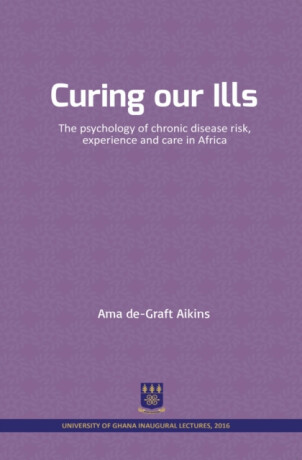
Millions of Ghanaians live with diabetes, hypertension, stroke, cancers and other major chronic diseases. Millions more are at risk of getting these conditions. Individuals living with chronic conditions experience many disruptions, especially at the early stages of diagnosis and adjustment. The disruptions are physical (medical complications), psychological (depression), material (impoverishment), social (stigma) and spiritual (struggles with faith and trust). These experiences have an impact on family life and resources, with primary caregivers bearing similar disruptions to their chronically ill loved ones. While chronic conditions cannot be cured, many individuals hope for a cure. This hope drives healthcare seeking across different sectors of Ghana’s vibrant pluralistic health system. When ‘hope for a cure’ meets ‘claims to cure’ within the herbalist and faith healing sectors, especially, the outcomes for individuals and their families can be catastrophic. The Ghanaian situation is mirrored in many African countries. It is estimated that African chronic non-communicable disease (NCD) prevalence, morbidity and mortality rates will rise faster than rates in Asia and Latin America over the coming decades. The long term and costly nature of NCDs has major implications for individuals, communities, health systems and governments.
In this inaugural lecture, Professor Ama de-Graft Aikins discusses the psychology of chronic disease risk, experience and care in Africa. She makes a case for why the problem of NCDs needs to be examined through a psychological lens. She draws on her independent and collaborative work on diabetes representations and experiences among Ghanaians in Ghana and Europe, and the broader African and global health literature, to highlight the complex multi-level context of chronic disease risk, experience and care. She presents a synthesis of the evidence through the concepts of physical ills and ideological ills, arguing that both are interconnected and, as a result, must be addressed through interdisciplinary approaches. She concludes by offering practical solutions for reducing chronic disease risk and improving the quality of long-term experience and care in Ghana, using examples from countries that have implemented successful NCD interventions.
0.0 z 5 0 hodnocení čtenářů
0× 5 hvězdiček 0× 4 hvězdičky 0× 3 hvězdičky 0× 2 hvězdičky 0× 1 hvezdička
Získejte přehled o vývoji ceny za posledních 60 dní.
Další díl podcastu Buď inspirující je tady! Tentokrát naše pozvání...
Vánoce už pomalu klepou na dveře a s nimi přichází i každoroční otázka:...
Říká se, že není důležité vyhrát, ale zúčastnit se. Zkuste to...
V předchozím halloweenském čtení jsme se společně ponořili do umění...
Pro miliony diváků zůstane navždy kapitánem Jeanem-Lucem Picardem ze Star...
Co všechno musí vědět člověk, který komentuje finále mistrovství světa...
Tenhle rok vyšly dvě vlčí romantasy, které mě nesmírně bavily. Jednou z...
Pryč jsou dlouhé teplé letní večery, vládu už definitivně převzal...
Vánoce se pomalu blíží a s nimi také období, kdy bychom měli více myslet...
872 Kč s DPH
Jsme transparentní
Risa chtěla na univerzitě hlavně nevyčnívat
Jenže jako runová čarodějka má k problémům blíž, než by si přála. Když dostane nabídku přidat se k lovcům nadpřirozených bytostí, čeká ji pořádně divoké dobrodružství.
Mohlo by vás zajímat
Jako jediná přežila masovou sebevraždu sekty, v níž vyrůstala.
O dvacet let později se jí na ostrově začnou vracet stejné sny, které kdysi předpověděly smrt jejích blízkých.
Mohlo by vás zajímat
Aby zachránila svého bratra, nechá se uvěznit
V Endlocku, brutálním vězení kde bohatí loví vězně pro zábavu, však narazí na dozorce, který jí začne být nebezpečně blízký.
Mohlo by vás zajímat
Na značky, připravit, chaos!
Magičtí atleti nejsou jen tak obyčejný závod. Tady se teleportuje, podkopává, předbíhá a během jediného hodu kostkou se může celé pořadí obrátit vzhůru nohama!
Mohlo by vás zajímat
HUNTR/X hlásí další hvězdu do sbírky!
Mira v ikonickém outfitu z vystoupení „Golden“. S růžovými vlasy, stylovou bundičkou a výrazným pódiovým vzhledem je připravená zazářit na scéně i v boji proti démonům.
Mohlo by vás zajímat
Roztočte kolo a připravte chuťové pohárky!
Šest barev, dvanáct možných příchutí a žádná jistota, co vás čeká. Roztočte kolo štěstí a zjistěte, jestli vám náhoda nadělí lahodnou odměnu, nebo nezapomenutelný chuťový zážitek.
Každý měsíc společně přečteme tisíce knih





Tento web je chráněn službou reCAPTCHA a platí pro něj Zásady ochrany soukromí a Smluvní podmínky. | © 2001–2026 DOBROVSKÝ s.r.o. Všechna práva vyhrazena.





 KnihyDobrovsky.cz
 knihydobrovsky
 @knihydobrovskycz
 @knihydobrovsky