


„Začala jsem, protože můj muž mě měl už dost.“ | Petra Ženíšková v Buď inspirující
Další díl podcastu Buď inspirující je tady! Tentokrát naše pozvání...


Kniha ( pevná vazba )
1 121 Kč s DPH
Jsme transparentní


Při zaslání zboží balíčkem
K nákupu nad 699 Kč dárek zdarma v hodnotě 349 Kč
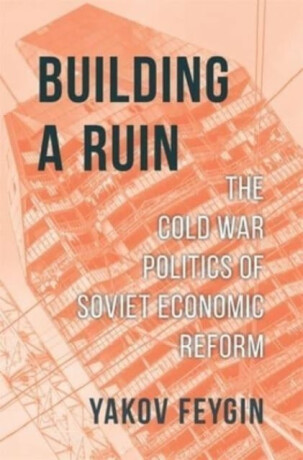
A masterful account of the global Cold War’s decisive influence on Soviet economic reform, and the national decay that followed. What brought down the Soviet Union? From some perspectives the answers seem obvious, even teleological—communism was simply destined to fail. When Yakov Feygin studied the question, he came to another conclusion:… Přejít na celý popis


5.0 z 5 hvězdiček
Voucher


A masterful account of the global Cold War’s decisive influence on Soviet economic reform, and the national decay that followed. What brought down the Soviet Union? From some perspectives the answers seem obvious, even teleological—communism was simply destined to fail. When Yakov Feygin studied the question, he came to another conclusion: at least one crucial factor was a deep contradiction within the Soviet political economy brought about by the country’s attempt to transition from Stalinist mass mobilization to a consumer society. Building a Ruin explores what happened in the Soviet Union as institutions designed for warfighting capacity and maximum heavy industrial output were reimagined by a new breed of reformers focused on “peaceful socioeconomic competition.” From Khrushchev on, influential schools of Soviet planning measured Cold War success in the same terms as their Western rivals: productivity, growth, and the availability of abundant and varied consumer goods. The shift was both material and intellectual, with reformers taking a novel approach to economics. Instead of trumpeting their ideological bona fides and leveraging their connections with party leaders, the new economists stressed technical expertise. The result was a long and taxing struggle for the meaning of communism itself, as old-guard management cadres clashed with reformers over the future of central planning and the state’s relationship to the global economic order. Feygin argues that Soviet policymakers never resolved these tensions, leading to stagnation, instability, and eventually collapse. Yet the legacy of reform lingers, its factional dynamics haunting contemporary Russian politics.
0.0 z 5 0 hodnocení čtenářů
0× 5 hvězdiček 0× 4 hvězdičky 0× 3 hvězdičky 0× 2 hvězdičky 0× 1 hvezdička
Získejte přehled o vývoji ceny za posledních 60 dní.
Další díl podcastu Buď inspirující je tady! Tentokrát naše pozvání...
Vánoce už pomalu klepou na dveře a s nimi přichází i každoroční otázka:...
Říká se, že není důležité vyhrát, ale zúčastnit se. Zkuste to...
V předchozím halloweenském čtení jsme se společně ponořili do umění...
Pro miliony diváků zůstane navždy kapitánem Jeanem-Lucem Picardem ze Star...
Co všechno musí vědět člověk, který komentuje finále mistrovství světa...
Tenhle rok vyšly dvě vlčí romantasy, které mě nesmírně bavily. Jednou z...
Pryč jsou dlouhé teplé letní večery, vládu už definitivně převzal...
Vánoce se pomalu blíží a s nimi také období, kdy bychom měli více myslet...
1 121 Kč s DPH
Jsme transparentní
Risa chtěla na univerzitě hlavně nevyčnívat
Jenže jako runová čarodějka má k problémům blíž, než by si přála. Když dostane nabídku přidat se k lovcům nadpřirozených bytostí, čeká ji pořádně divoké dobrodružství.
Mohlo by vás zajímat
Mohlo by vás zajímat
Aby zachránila svého bratra, nechá se uvěznit
V Endlocku, brutálním vězení kde bohatí loví vězně pro zábavu, však narazí na dozorce, který jí začne být nebezpečně blízký.
Mohlo by vás zajímat
Kočičí kletba útočí! Mňauhehe!
Výbušná koťátka se vracejí s pořádnou dávkou kočičí škodolibosti! Karty prokletí dokážou zamíchat každou partií a proměnit zdánlivě nevinný tah v naprostý chaos.
Mohlo by vás zajímat
Mezi řádky se skrývá kouzelný svět!
A tentokrát ho můžete postavit z LEGO® kostek! Propracované dvoupatrové knihkupectví promění vaši knihovnu v místo plné příběhů, fantazie a drobných literárních překvapení.
Mohlo by vás zajímat
Chybičky? Ty jednoduše odletí!
Překlep nebo nepovedené písmenko? Žádný problém! Díky gumovatelnému růžovému inkoustu a integrované gumě zmizí chyby bez škrtání a nevzhledných šmouh.
Každý měsíc společně přečteme tisíce knih





Tento web je chráněn službou reCAPTCHA a platí pro něj Zásady ochrany soukromí a Smluvní podmínky. | © 2001–2026 DOBROVSKÝ s.r.o. Všechna práva vyhrazena.





 KnihyDobrovsky.cz
 knihydobrovsky
 @knihydobrovskycz
 @knihydobrovsky