


„Začala jsem, protože můj muž mě měl už dost.“ | Petra Ženíšková v Buď inspirující
Další díl podcastu Buď inspirující je tady! Tentokrát naše pozvání...


Kniha ( měkká vazba )
561 Kč s DPH
Jsme transparentní


Při zaslání zboží balíčkem
K nákupu nad 699 Kč dárek zdarma v hodnotě 349 Kč
From the Middle-Ages onwards, London's notorious Bedlam lunatic hospital saw the city's mad' locked away in dank cells, neglected and abused and without any real cure and little comfort. The unprecedented growth of the metropolis after the Industrial Revolution saw a perceived epidemic' of madness take hold, with county asylums' seen by… Přejít na celý popis


5.0 z 5 hvězdiček
Voucher


5.0 z 5 hvězdiček
Voucher
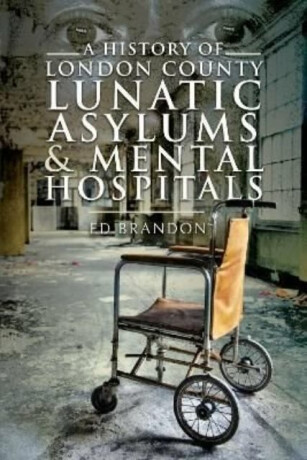
From the Middle-Ages onwards, London's notorious Bedlam lunatic hospital saw the city's mad' locked away in dank cells, neglected and abused and without any real cure and little comfort. The unprecedented growth of the metropolis after the Industrial Revolution saw a perceived epidemic' of madness take hold, with county asylums' seen by those in power as the most humane or cost-effective way to offer the mass confinement and treatment believed necessary. The county of Middlesex - to which London once belonged - would build and open three huge county asylums from 1831, and when London became its own county in 1889 it would adopt all three and go on to build or run another eight such immense institutions. Each operated much like a self-contained town; home to thousands and often incorporating its own railway, laundries, farms, gardens, kitchens, ballroom, sports pitches, surgeries, wards, cells, chapel, mortuary, and more, in order to ensure the patients never needed to leave the asylum's grounds. Between them, at their peak London's eleven county asylums were home to around 25,000 patients and thousands more staff, and dominated the physical landscape as well as the public imagination from the 1830s right up to the 1990s. Several gained a legacy which lasted even beyond their closure, as their hulking, abandoned forms sat in overgrown sites around London, refusing to be forgotten and continuing to attract the attention of those with both curious and nefarious motives. Hanwell (St Bernard's), Colney Hatch (Friern), Banstead, Cane Hill, Claybury, Bexley, Manor, Horton, St Ebba's, Long Grove, and West Park went from being known as county lunatic asylums' to mental hospitals' and beyond. Reflecting on both the positive and negative aspects of their long and storied histories from their planning and construction to the treatments and regimes adopted at each, the lives of patients and staff through to their use during wartime, and the modernisation and changes of the 20th century, this book documents their stories from their opening up to their eventual closure, abandonment, redevelopment, or destruction.
0.0 z 5 0 hodnocení čtenářů
0× 5 hvězdiček 0× 4 hvězdičky 0× 3 hvězdičky 0× 2 hvězdičky 0× 1 hvezdička
Získejte přehled o vývoji ceny za posledních 60 dní.
Další díl podcastu Buď inspirující je tady! Tentokrát naše pozvání...
Vánoce už pomalu klepou na dveře a s nimi přichází i každoroční otázka:...
Říká se, že není důležité vyhrát, ale zúčastnit se. Zkuste to...
V předchozím halloweenském čtení jsme se společně ponořili do umění...
Pro miliony diváků zůstane navždy kapitánem Jeanem-Lucem Picardem ze Star...
Co všechno musí vědět člověk, který komentuje finále mistrovství světa...
Tenhle rok vyšly dvě vlčí romantasy, které mě nesmírně bavily. Jednou z...
Pryč jsou dlouhé teplé letní večery, vládu už definitivně převzal...
Vánoce se pomalu blíží a s nimi také období, kdy bychom měli více myslet...
561 Kč s DPH
Jsme transparentní
Padla do oka netvorovi. Teď už není cesty zpět.
Killian je okouzlující student medicíny s děsivou fascinací smrtí. Glyndon jako jediná zná jeho pravou tvář, a když jí vyhrožuje zabitím, začíná mezi nimi nebezpečná hra.
Mohlo by vás zajímat
Jako jediná přežila masovou sebevraždu sekty, v níž vyrůstala.
O dvacet let později se jí na ostrově začnou vracet stejné sny, které kdysi předpověděly smrt jejích blízkých.
Mohlo by vás zajímat
Aby zachránila svého bratra, nechá se uvěznit
V Endlocku, brutálním vězení kde bohatí loví vězně pro zábavu, však narazí na dozorce, který jí začne být nebezpečně blízký.
Mohlo by vás zajímat
Na plný plyn až do poslední karty!
Připoutejte se, karetní závod právě začíná! UNO Formula 1 Elite Racers spojuje oblíbenou karetní klasiku se světem rychlých monopostů, elitních jezdců a nečekaných herních zvratů.
Mohlo by vás zajímat
Mezi řádky se skrývá kouzelný svět!
A tentokrát ho můžete postavit z LEGO® kostek! Propracované dvoupatrové knihkupectví promění vaši knihovnu v místo plné příběhů, fantazie a drobných literárních překvapení.
Mohlo by vás zajímat
Roztočte kolo a připravte chuťové pohárky!
Šest barev, dvanáct možných příchutí a žádná jistota, co vás čeká. Roztočte kolo štěstí a zjistěte, jestli vám náhoda nadělí lahodnou odměnu, nebo nezapomenutelný chuťový zážitek.
Každý měsíc společně přečteme tisíce knih







Tento web je chráněn službou reCAPTCHA a platí pro něj Zásady ochrany soukromí a Smluvní podmínky. | © 2001–2026 DOBROVSKÝ s.r.o. Všechna práva vyhrazena.









 KnihyDobrovsky.cz
 knihydobrovsky
 @knihydobrovskycz
 @knihydobrovsky