


Dvůr roztříštěné harmonie: Vyplatilo se čekání na další díl ACOTARu? | RECENZE
Fanoušci čekali pět let, než se budou moci vrátit do Prythianu a ke svým...


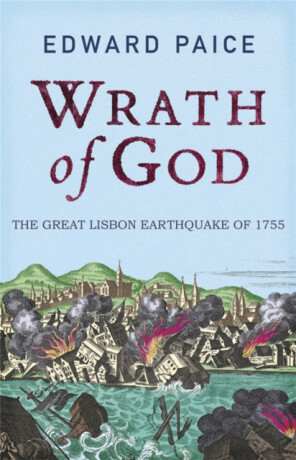
Kniha ( měkká vazba )
561 Kč s DPH
Jsme transparentní


Just after half past nine on the morning of Sunday 1 November 1755, the end of the world came to the city of Lisbon. On a day that had begun with blue skies and gentle warmth, Portugal's proud capital was struck by a massive earthquake. After a brief, two-minute tremor came six minutes of horror as Lisbon swayed 'like corn in the wind before… Přejít na celý popis


5.0 z 5 hvězdiček
Voucher


5.0 z 5 hvězdiček
Voucher

Just after half past nine on the morning of Sunday 1 November 1755, the end of the world came to the city of Lisbon. On a day that had begun with blue skies and gentle warmth, Portugal's proud capital was struck by a massive earthquake. After a brief, two-minute tremor came six minutes of horror as Lisbon swayed 'like corn in the wind before the avalanches of descending masonry hid the ruins under a cloud of dust'. A third tremor shook most of the buildings still standing to the ground, causing catastrophic loss of life. Lisbon had been struck by a seismic disturbance estimated at 8.7 on the Richter scale - more powerful than the 1906 San Francisco earthquake. An hour later, riverine Lisbon and the Algarve coast were engulfed by a series of tsunamis. In areas of the city unaffected by the waves, fires raged for six days, completing the destruction of Europe's fourth-largest city. By the time it was all over, 60,000 souls had perished and 85% of Lisbon's buildings, plus an unimaginable wealth of cultural treasures, had been destroyed by quake, fire or water. The earthquake had a searing impact on the European psyche. Theologians and philosophers were baffled by this awesome manifestation of the anger of God. How could the presence of such suffering in the world be reconciled with the existence of a beneficent deity? For Portugal itself, despite an ambitious programme of reconstruction (which gave birth to the modern science of seismology), the quake ushered in a period of decline, in which her seaborne supremacy was eclipsed by the inexorable rise of the British Empire. Drawing on primary sources, Edward Paice paints a vivid picture of a city and society changed for ever by a day of terror. He describes in thrilling detail the quake itself and its immediate aftermath, but he is interested just as much in its political, economic and cultural consequences. Wrath of God is a gripping account from a master writer of a natural disaster that had a transformative impact on European society.
0.0 z 5 0 hodnocení čtenářů
0× 5 hvězdiček 0× 4 hvězdičky 0× 3 hvězdičky 0× 2 hvězdičky 0× 1 hvezdička
Získejte přehled o vývoji ceny za posledních 60 dní.
Fanoušci čekali pět let, než se budou moci vrátit do Prythianu a ke svým...
Každý z nás si z dětství pamatuje to příjemné těšení na otevření...
Nejdřív divákům zamotal hlavu jako tajemný upír Edward Cullen, potom...
Kolik lidí se vejde do jedné duše? Na velmi krátký okamžik to byl Tyrone...
Marvel si zjevně řekl, že nás před premiérou Avengers: Doomsday nenechá...
Mezi tvými oblíbenými romány se rozsvítila malá japonská ulička. Má...
Listopad si přímo říká o večery strávené s knihou. Venku se brzy...
Po úspěšných knihách s Erikou Fosterovou a Kate Marshallovou se Robert...
Vánoce jsou za dveřmi a s nimi přichází i každoroční otázka: Co letos...
561 Kč s DPH
Jsme transparentní
Kdo smí rozhodnout o konci?
Když se eutanázie stane legální možností, musí se Nora rozhodnout o životě své těžce nemocné dcery. Příběh jedné rodiny otevírá otázky o utrpení, lásce a právu rozhodovat o smrti.
Mohlo by vás zajímat
Kotletova nejdrsnější vyšetřovatelka znovu v akci
V budoucnosti, kde se technologie potkávají s nadpřirozenem, řeší vyšetřovatelka Eva Kosková případ technoboha. Na pomoc si přizve ajťáka i svého božského otce. Jenže tím problémy teprve začínají.
Mohlo by vás zajímat
Co když jsou všechny městské legendy skutečné?
Holland zjistí, že za necelých 24 hodin zemře, pokud nenajde bájné srdce alchymistů. Pátrání ji zavede do tajemného světa magie, kde nemůže věřit ani svému záhadnému ochránci.
Mohlo by vás zajímat
Karetní legenda, která nestárne
Některé hry prostě nikdy nevyjdou z módy. UNO™ spojuje jednoduchá pravidla, svižné tempo a pořádnou dávku soupeření, které si užijí děti od 7 let i dospělí.
Mohlo by vás zajímat
Zapomeňte na růžové šatičky a roztomilé úsměvy!
Wednesday Addams přichází do světa Monster High ve svém ikonickém černém outfitu a dokazuje, že temná elegance nikdy nevyjde z módy.
Mohlo by vás zajímat
Geometrie s kočičím šarmem!
Kdo říká, že matematické pomůcky musí být nudné? Kružítko Legami Meow spojuje přesné rýsování s roztomilým designem, který potěší každého milovníka koček.
Každý měsíc společně přečteme tisíce knih






Tento web je chráněn službou reCAPTCHA a platí pro něj Zásady ochrany soukromí a Smluvní podmínky. | © 2001–2026 DOBROVSKÝ s.r.o. Všechna práva vyhrazena.









 KnihyDobrovsky.cz
 knihydobrovsky
 @knihydobrovskycz
 @knihydobrovsky