


6 říjnových novinek: romantika, napětí i podzimní atmosféra
V říjnu se dny už znatelně zkracují a večery prodlužují. Pro nás...


Kniha ( měkká vazba )


Při zaslání zboží balíčkem
K nákupu nad 1999 Kč dárek zdarma v hodnotě 299 Kč
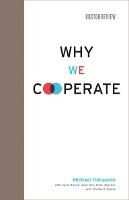
Understanding cooperation as a distinctly human combination of innate and learned behavior. Drop something in front of a two-year-old, and she's likely to pick it up for you. This is not a learned behavior, psychologist Michael Tomasello argues. Through observations of young children in experiments he himself has designed, Tomasello shows… Přejít na celý popis


Understanding cooperation as a distinctly human combination of innate and learned behavior.
Drop something in front of a two-year-old, and she's likely to pick it up for you. This is not a learned behavior, psychologist Michael Tomasello argues. Through observations of young children in experiments he himself has designed, Tomasello shows that children are naturally--and uniquely--cooperative. Put through similar experiments, for example, apes demonstrate the ability to work together and share, but choose not to. As children grow, their almost reflexive desire to help--without expectation of reward--becomes shaped by culture. They become more aware of being a member of a group. Groups convey mutual expectations, and thus may either encourage or discourage altruism and collaboration. Either way, cooperation emerges as a distinctly human combination of innate and learned behavior. In Why We Cooperate, Tomasello's studies of young children and great apes help identify the underlying psychological processes that very likely supported humans' earliest forms of complex collaboration and, ultimately, our unique forms of cultural organization, from the evolution of tolerance and trust to the creation of such group-level structures as cultural norms and institutions. Scholars Carol Dweck, Joan Silk, Brian Skyrms, and Elizabeth Spelke respond to Tomasello's findings and explore the implications.
0.0 z 5 0 hodnocení čtenářů
0× 5 hvězdiček 0× 4 hvězdičky 0× 3 hvězdičky 0× 2 hvězdičky 0× 1 hvezdička
Získejte přehled o vývoji ceny za posledních 60 dní.
V říjnu se dny už znatelně zkracují a večery prodlužují. Pro nás...
Vydání šestého dílu série Dvůr trnů a růží, který ponese název Dvůr...
Na podzim je čase vytáhnout trochu jiné knihy, než jsou letní romantiky....
Mysleli jste si, že příběh Olive a Adama skončil poslední stránkou...
Literární svět přišel o jednoho ze svých nejvýraznějších autorů...
Stačí pár kliknutí a můžete se zaposlouchat. Audioknihu si vyberete na...
Přiznávám se bez mučení: tentokrát jsem se nechala zlákat hlavně...
Máme dobrou zprávu pro všechny čtenáře z Třebíče a okolí. Nově nás...
Saving 6 je třetím dílem série Kluci z Tommenu. Je to kniha plná bolesti,...
Tajemství zednářů neumírají
Osmý případ Cormorana Strika a Robin Ellacottové začíná zohaveným tělem muže, kterého policie považuje za známého zločince. Jeho partnerka však přesvědčeně tvrdí, že jde o někoho úplně jiného…
Mohlo by vás zajímat
První detektivka od královny české fantastiky
Příběh, jaký by napsala Agatha Christie, kdyby chtěla, aby byl její hrdina Čech s krizí středního věku.
Mohlo by vás zajímat
Další kapitola postapo ságy je tady
Temná velekněžka a Šerif vyrážejí do Pustiny, kde vládnou nájezdníci a pravidla tu moc nectí. Čeká je nebezpečná výprava, tajemství a samozřejmě pořádná dávka akce.
Mohlo by vás zajímat
Maturita, podnikání i praxe na jednom místě
Ekonomika nejen k maturitě propojuje školní požadavky s tématy, která studenti využijí i později. Od základů trhu přes management až po daně nabízí pevný rámec pro pochopení ekonomického světa.
Mohlo by vás zajímat
Foťák pro malé lovce zážitků
Dětský fotoaparát s okamžitým termotiskem promění každý výlet, oslavu i obyčejné odpoledne v malou foto misi.
Mohlo by vás zajímat
KPop Demon Hunters připraveny na scénu i souboj
Rumi, Zoey, Mira, Jinu, Baby, Derpy, Sussie… a možná i tajná figurka. Každý kus je malé sběratelské překvapení, které rozšiřuje vlastní tým Lovkyň démonů.
Mohlo by vás zajímat
Barevná klasika pro přesné linky
STABILO point 88 přináší 10 odstínů pro psaní, kreslení i tvoření detailů. Jemná stopa 0,4 mm pomáhá udržet linku čistou, přesnou a pod kontrolou.
Každý měsíc společně přečteme tisíce knih







Tento web je chráněn službou reCAPTCHA a platí pro něj Zásady ochrany soukromí a Smluvní podmínky. | © 2001–2026 DOBROVSKÝ s.r.o. Všechna práva vyhrazena.








 KnihyDobrovsky.cz
 knihydobrovsky
 @knihydobrovskycz
 @knihydobrovsky