


KONEČNĚ! Už víme, kdo si zahraje Violet a Xadena v seriálu Čtvrté křídlo
Fanoušci Čtvrtého křídla, TOHLE NENÍ CVIČENÍ! Po nekonečných...


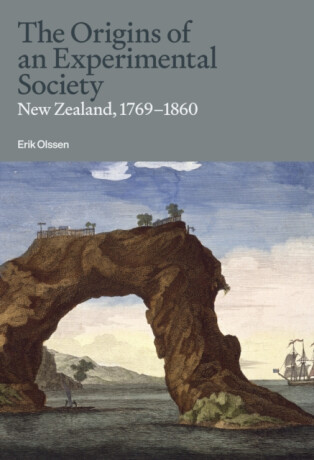
Kniha ( pevná vazba )
1 320 Kč s DPH
Jsme transparentní


Při zaslání zboží balíčkem
K nákupu nad 999 Kč dárek zdarma v hodnotě 349 Kč
The history of New Zealand explained through powerful beliefs and the people who held them.


5.0 z 5 hvězdiček
Voucher


5.0 z 5 hvězdiček
Voucher
5.0 z 5 hvězdiček
Voucher
0.0 z 5 0 hodnocení čtenářů
0× 5 hvězdiček 0× 4 hvězdičky 0× 3 hvězdičky 0× 2 hvězdičky 0× 1 hvezdička
Získejte přehled o vývoji ceny za posledních 60 dní.
Fanoušci Čtvrtého křídla, TOHLE NENÍ CVIČENÍ! Po nekonečných...
Zapomeňte na romantická gesta, květiny a pohodové vztahy. V říjnu se totiž...
Fanoušci Čtvrtého křídla, máme pro vás skvělou zprávu! Chystaná novinka...
Jsou ženské postavy, se kterými se ztotožníte, nebo je naopak chcete...
Jedna krabice, tisíce příběhů a pořádná dávka knižního Tetrisu! Od 5....
Na Alchymii tajemství jsem se těšila hlavně proto, že Stephanie Garber umí...
Knižní blogerka, moderátorka knižních akcí a organizátorka projektu...
Po deseti letech se vracím na místo činu, na počátek velkolepého příběhu...
Vydání šestého dílu série Dvůr trnů a růží, který ponese název Dvůr...
1 320 Kč s DPH
Jsme transparentní
Od stydlivého kluka, který miloval sport, až po hlas českého hokeje
Robert Záruba v knize vypráví o své cestě ke komentátorskému mikrofonu i o více než 2000 přenosech.
Mohlo by vás zajímat
Novinka ze světa Haunting Adeline
Sibby cestuje s putovním karnevalem a trestá násilníky, predátory a další zrůdy. Její pravidla jsou jasná, dokud do hry nevstoupí někdo, kdo ji začne přitahovat.
Mohlo by vás zajímat
Aby zachránila svého bratra, nechá se uvěznit
V Endlocku, brutálním vězení kde bohatí loví vězně pro zábavu, však narazí na dozorce, který jí začne být nebezpečně blízký.
Mohlo by vás zajímat
Vzorce pod kontrolou, chemie v malíčku!
Žádné bezradné koukání na chemické rovnice! Řešené příklady, přehledná shrnutí a procvičovací úlohy pomáhají pochopit učivo a získat větší jistotu při řešení chemických úkolů.
Mohlo by vás zajímat
Na značky, připravit, chaos!
Magičtí atleti nejsou jen tak obyčejný závod. Tady se teleportuje, podkopává, předbíhá a během jediného hodu kostkou se může celé pořadí obrátit vzhůru nohama!
Mohlo by vás zajímat
A je to! Už 50 let!
Pat a Mat slaví půl století svých nezapomenutelných kutilských dobrodružství. Výroční sada dvou figurek v typických pózách připomene všechny geniální nápady, které se občas tak trochu vymkly kontrole.
Mohlo by vás zajímat
Od tenké linky po velké umění!
Od těch nejjemnějších detailů až po výrazné tahy štětcem! STABILO Creative Tips nabízí pět různých typů hrotů, se kterými můžete kreslit, psát, skicovat i vytvářet originální umělecká díla.
Každý měsíc společně přečteme tisíce knih







Tento web je chráněn službou reCAPTCHA a platí pro něj Zásady ochrany soukromí a Smluvní podmínky. | © 2001–2026 DOBROVSKÝ s.r.o. Všechna práva vyhrazena.








 KnihyDobrovsky.cz
 knihydobrovsky
 @knihydobrovskycz
 @knihydobrovsky