


Rebecca Yarros odhalila tajemnou knihu ze světa Čtvrtého křídla. Threshing Day nabídne třináct příběhů
Nedávno jsme psali o záhadné knize ze série Empyreum, která neměla název,...



Kniha ( měkká vazba )


This is a book about survival. How do companies survive when the basic conditions for their existence change overnight? The question has a newly revived and essential actuality as a result of the recent world economic crisis. The fall of the Berlin Wall on 9 November 1989 and the launch of the German Economic, Monetary and Social Union on 1… Přejít na celý popis
This is a book about survival. How do companies survive when the basic conditions for their existence change overnight? The question has a newly revived and essential actuality as a result of the recent world economic crisis. The fall of the Berlin Wall on 9 November 1989 and the launch of the German Economic, Monetary and Social Union on 1 July 1990 radically changed economic conditions for more than 8,000 previously state-, municipal- or party-owned companies in the former German Democratic Republic (GDR). Overnight, most East German manufacturing plants had been devalued, after having been able to survive for decades thanks to a protected market in the East -- which also collapsed, along with the East German domestic market. For East German companies, the monetary union meant "the introduction of a social market economy without a market", as Birgit Breuel, president of the worlds largest holding company, the Treuhand agency, described it. In a move without historical precedent and under considerable political pressure, Treuhand privatised 15,000 companies and liquidated 4,000 others in less than five years. Many of these 15,000 companies did not survive. But for several hundred medium-sized and small businesses the market economy provided a real upturn, and for about one hundred companies it opened doors to previously unimaginable opportunities. Today, several of these firms are brand or market leaders in Germany or even globally. How did these companies succeed? For an answer, we visited 15 of these companies in about ten industries and evaluated the strategies they used to survive or, more importantly, become dominant players. What did they do differently from the companies that failed?
0.0 z 5 0 hodnocení čtenářů
0× 5 hvězdiček 0× 4 hvězdičky 0× 3 hvězdičky 0× 2 hvězdičky 0× 1 hvezdička
Získejte přehled o vývoji ceny za posledních 60 dní.
Nedávno jsme psali o záhadné knize ze série Empyreum, která neměla název,...

V dospělé mysli zamrzá ta část duše, která je zodpovědná za barvitou...

Pro několik generací diváků zůstane především paleontologem Alanem...

Život Abby dosud nebyl takový, jaký si představovala. Teprve krátce před...
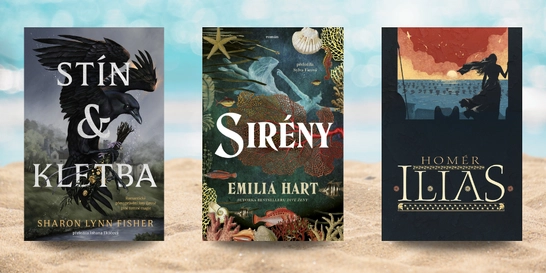
Slunce svítí, prázdniny jsou v plném proudu a spousta z nás si dopřává...

Pokud vám seriál Heated Rivalry (Spalující rivalita) nedal spát a zhlédli...

Tahle kniha se ke mně původně dostala jen proto, abych ji předala někomu z...

Nestihli jste naše žhavé literární odpoledne na Masarykově nádraží, nebo...
Nová gotická dark romance
Mrtví živé učí. Anatomie hříchu v rukou nebezpečně přitažlivého patologa

Mohlo by vás zajímat
Nový román Viktorie Hanišové
Když se její otec upálí před Poslaneckou sněmovnou, začne Lada hledat důvody jeho činu.
Mohlo by vás zajímat
Tři ženy, pět století, jedno tajemství...
Dechberoucí příběh o ženské síle, odhodlání a hlubokém spojení s přírodou.
Mohlo by vás zajímat
Učebnice, co drží krok s dobou.
Nová generace učebnic, která jede podle nejnovějšího RVP, ne podle Windows 95.
Mohlo by vás zajímat
Připravený na rychlé tahy tužkou, uhlem, rudkou i pastelem
Skicák speciálně navržený speciálně navržen pro studenty umění, který potěší všechny umělecké duše.
Mohlo by vás zajímat
Od obyčejné smyčky k námořnickým trikům
Na tábor, skautskou výpravu, chatu i cestování. Sada Uzlík vás naučí vázat uzly od těch nejjednodušších až po zapeklité námořnické specialitky.
Mohlo by vás zajímat
První skládačka plné barev
Jednoduchý šestiúhelník je ideální pro děti, které začínají poznávat svět skládání. Dílky se dobře drží v ruce a přirozeně vedou k soustředění i trpělivosti.
Mohlo by vás zajímat
Malý kousek galerie na knížky, drobnosti i menší nákup
Plátěná taška Paperblanks Natsu díky pevné bavlněné látce unese až 7 kg.
Každý měsíc společně přečteme tisíce knih






Tento web je chráněn službou reCAPTCHA a platí pro něj Zásady ochrany soukromí a Smluvní podmínky. | © 2001–2026 DOBROVSKÝ s.r.o. Všechna práva vyhrazena.






 KnihyDobrovsky.cz
 knihydobrovsky
 @knihydobrovskycz
 @knihydobrovsky