


KONEČNĚ! Už víme, kdo si zahraje Violet a Xadena v seriálu Čtvrté křídlo
Fanoušci Čtvrtého křídla, TOHLE NENÍ CVIČENÍ! Po nekonečných...


Kniha ( měkká vazba )


Při zaslání zboží balíčkem
K nákupu nad 1999 Kč dárek zdarma v hodnotě 299 Kč
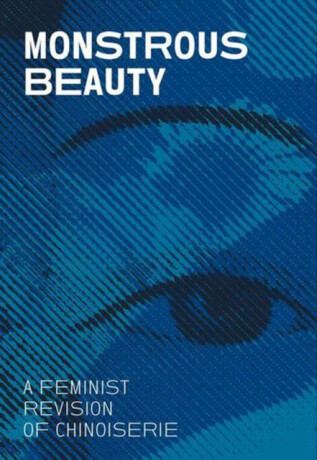
Curiosity and critique foreground this novel history of porcelain that unravels the cultural myths of Chinoiserie, Europe’s fantasy of the East Monstrous Beauty presents a bold cross-cultural history of porcelain told through a feminist lens. Prized for its delicate quality and whiteness, porcelain was first imported to Europe from China in… Přejít na celý popis


5.0 z 5 hvězdiček
Voucher


5.0 z 5 hvězdiček
VoucherCuriosity and critique foreground this novel history of porcelain that unravels the cultural myths of Chinoiserie, Europe’s fantasy of the East Monstrous Beauty presents a bold cross-cultural history of porcelain told through a feminist lens. Prized for its delicate quality and whiteness, porcelain was first imported to Europe from China in the early modern period and gained lasting associations with Chinoiserie, a style that encapsulated associations of mystery and enchantment with Asia. This book probes the collective anxieties around gender, race, and sexuality lurking under the surface of this ornate style, derided by some eighteenth-century critics as monstrous and unnatural. In interconnected essays, Iris Moon unpacks Chinoiserie’s language of curiosity and exoticism. Here, close looking at garnitures, plates, teacups and saucers reveals how the desire to collect and possess porcelain created entrenched cultural myths of the Asian woman, and how it later extended into such mediums as photography and film. In addition, sixteen readings by contemporary artists and scholars, of works ranging from the sixteenth century to the present, respond to this fraught history by asking how we can engage in meaningful dialogues about Chinoiserie today. Published by The Metropolitan Museum of Art/Distributed by Yale University Press Exhibition Schedule: The Metropolitan Museum of Art, New York (March 25–August 17, 2025)
0.0 z 5 0 hodnocení čtenářů
0× 5 hvězdiček 0× 4 hvězdičky 0× 3 hvězdičky 0× 2 hvězdičky 0× 1 hvezdička
Získejte přehled o vývoji ceny za posledních 60 dní.
Fanoušci Čtvrtého křídla, TOHLE NENÍ CVIČENÍ! Po nekonečných...
Zapomeňte na romantická gesta, květiny a pohodové vztahy. V říjnu se totiž...
Fanoušci Čtvrtého křídla, máme pro vás skvělou zprávu! Chystaná novinka...
Jsou ženské postavy, se kterými se ztotožníte, nebo je naopak chcete...
Jedna krabice, tisíce příběhů a pořádná dávka knižního Tetrisu! Od 5....
Na Alchymii tajemství jsem se těšila hlavně proto, že Stephanie Garber umí...
Knižní blogerka, moderátorka knižních akcí a organizátorka projektu...
Po deseti letech se vracím na místo činu, na počátek velkolepého příběhu...
Vydání šestého dílu série Dvůr trnů a růží, který ponese název Dvůr...
Žhavá vánoční jízda Tess M. Puffrové
Cinnamon miluje Vánoce, jenže letošní svátky budou mít k idylce daleko. Sexy Jake, protesty, mrtvá těla a hackerské útoky? Tohle budou fakt Merry fucking Christmas.
Mohlo by vás zajímat
Risa chtěla na univerzitě hlavně nevyčnívat
Jenže jako runová čarodějka má k problémům blíž, než by si přála. Když dostane nabídku přidat se k lovcům nadpřirozených bytostí, čeká ji pořádně divoké dobrodružství.
Mohlo by vás zajímat
Žhavá vánoční jízda Tess M. Puffrové
Cinnamon miluje Vánoce, jenže letošní svátky budou mít k idylce daleko. Sexy Jake, protesty, mrtvá těla a hackerské útoky? Tohle budou fakt Merry fucking Christmas.
Mohlo by vás zajímat
Učebnice pro školu i život
Stručný přehled 2026/2027 nabízí všechna důležitá ekonomická témata v jedné učebnici. Od základních pojmů přes podnikání až po finanční trhy pomůže studentům rychle se zorientovat.
Mohlo by vás zajímat
Foťák pro malé lovce zážitků
Dětský fotoaparát s okamžitým termotiskem promění každý výlet, oslavu i obyčejné odpoledne v malou foto misi.
Mohlo by vás zajímat
Frankie hlásí návrat do Monster High!
Ikonická monsterka se vrací v reedici původní panenky Monster High G1. Se známým vzhledem, originálním stylem a doplňky přináší pořádnou dávku nostalgie i strašidelně skvělé zábavy.
Mohlo by vás zajímat
Strašidelně roztomilá výbava knihomola!
Černá taška, bílý duch a kniha, od které se nedá odtrhnout. Dokonalá kombinace pro podzimní procházky, návštěvy knihkupectví i každodenní výpravy za novými příběhy.
Každý měsíc společně přečteme tisíce knih







Tento web je chráněn službou reCAPTCHA a platí pro něj Zásady ochrany soukromí a Smluvní podmínky. | © 2001–2026 DOBROVSKÝ s.r.o. Všechna práva vyhrazena.









 KnihyDobrovsky.cz
 knihydobrovsky
 @knihydobrovskycz
 @knihydobrovsky