


7 listopadových knižních novinek: romance, magie i skutečné zločiny
Listopad si přímo říká o večery strávené s knihou. Venku se brzy...


Kniha ( měkká vazba )
1 320 Kč s DPH
Jsme transparentní


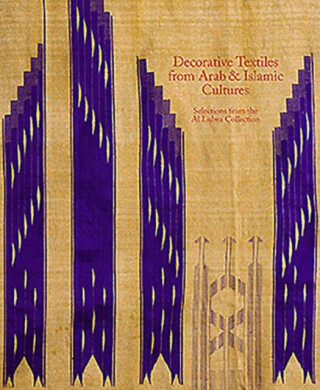
One of the most distinctive features of Islamic design is the evolution of an increasingly abstract and repetitive repertoire of motifs, which are shared among all media – metalwork, woodwork, ceramics, tilework and textiles. In textiles the main themes are based on angular and geometric shapes – vertical and horizontal striped bands; hexagons… Přejít na celý popis


5.0 z 5 hvězdiček
VoucherOne of the most distinctive features of Islamic design is the evolution of an increasingly abstract and repetitive repertoire of motifs, which are shared among all media Рmetalwork, woodwork, ceramics, tilework and textiles. In textiles the main themes are based on angular and geometric shapes Рvertical and horizontal striped bands; hexagons and octagons, which can be linked and infinitely extended; stylized and rhythmic scrolls of foliage and flowers; and Arabic calligraphy, of which the letters can be formed into continuous borders, panels and medallions. These motifs can be used separately or combined into complex patterns, of which the repetitive and two-dimensional features are ideal for textile production, especially where varying lengths are required Рfor hangings, curtains, robes and shawls. Valued for their role in the subtleties of court ceremonial and fashion, these textiles were also much admired beyond the Islamic lands. The exceptional collection published here ranges widely in region, material and technique. There are textiles and garments from North Africa, Syria, Arabia, Iran, Turkey and the Indian subcontinent linked by a shared vocabulary of ornament Рevidence of the international nature of Islamic design. Materials represented are silk Рthe most prestigious of fibres, requiring highly respected weavers Рwool, cotton and linen. Decoration is based on variations of weave and colour and embellishment through embroidery, printing and appliqu̩ and illustrates the work of both professional and domestic workers. The strengths of the collection are concentrated in the textile production of the nineteenth and early twentieth centuries, which, thanks to the basically conservative nature of textile technique and design, preserve and continue the traditions established in the medieval Islamic world. They are important in an assessment of Islamic textiles both for their quality and as illustrations of survival and adaptation in a major industry. Their heritage reaches back well over a thousand years, even though their very high perishability means that for the earlier part of the tradition our knowledge is reliant very largely on written sources. These, however, attest to the superb quality and quantity of textiles at the courts of the period.
0.0 z 5 0 hodnocení čtenářů
0× 5 hvězdiček 0× 4 hvězdičky 0× 3 hvězdičky 0× 2 hvězdičky 0× 1 hvezdička
Získejte přehled o vývoji ceny za posledních 60 dní.
Listopad si přímo říká o večery strávené s knihou. Venku se brzy...
Mezi tvými oblíbenými romány se rozsvítila malá japonská ulička. Má...
Po úspěšných knihách s Erikou Fosterovou a Kate Marshallovou se Robert...
Vánoce jsou za dveřmi a s nimi přichází i každoroční otázka: Co letos...
Další díl podcastu Buď inspirující je tady! Tentokrát naše pozvání...
Vánoce už pomalu klepou na dveře a s nimi přichází i každoroční otázka:...
Říká se, že není důležité vyhrát, ale zúčastnit se. Zkuste to...
V předchozím halloweenském čtení jsme se společně ponořili do umění...
Pro miliony diváků zůstane navždy kapitánem Jeanem-Lucem Picardem ze Star...
1 320 Kč s DPH
Jsme transparentní
Podzim chutná nejlépe v Kodani
Jonna nastoupí do kodaňské kavárny, jejíž majitel Mads jí brzy nabídne místo na svém hausbótu. Společně tráví stále víc času a Jonna zjišťuje, že mezi nimi vzniká něco víc než přátelství.
Mohlo by vás zajímat
Jako jediná přežila masovou sebevraždu sekty, v níž vyrůstala.
O dvacet let později se jí na ostrově začnou vracet stejné sny, které kdysi předpověděly smrt jejích blízkých.
Mohlo by vás zajímat
Aby zachránila svého bratra, nechá se uvěznit
V Endlocku, brutálním vězení kde bohatí loví vězně pro zábavu, však narazí na dozorce, který jí začne být nebezpečně blízký.
Mohlo by vás zajímat
Bradavice volají o pomoc!
Od prvních kouzelnických krůčků až po epický souboj s temnotou! Harry Potter: Boj o Bradavice vás provede sedmi příběhovými roky, během kterých budete získávat nová kouzla, spojence i schopnosti.
Mohlo by vás zajímat
Mezi řádky se skrývá kouzelný svět!
A tentokrát ho můžete postavit z LEGO® kostek! Propracované dvoupatrové knihkupectví promění vaši knihovnu v místo plné příběhů, fantazie a drobných literárních překvapení.
Mohlo by vás zajímat
Knihomolský sen v miniaturním provedení!
Ve dne elegantní miniaturní studovna, večer zářící literární zákoutí! Díky LED osvětlení vyniknou všechny drobné detaily a vaše knihovna získá ještě útulnější atmosféru.
Každý měsíc společně přečteme tisíce knih







Tento web je chráněn službou reCAPTCHA a platí pro něj Zásady ochrany soukromí a Smluvní podmínky. | © 2001–2026 DOBROVSKÝ s.r.o. Všechna práva vyhrazena.









 KnihyDobrovsky.cz
 knihydobrovsky
 @knihydobrovskycz
 @knihydobrovsky