
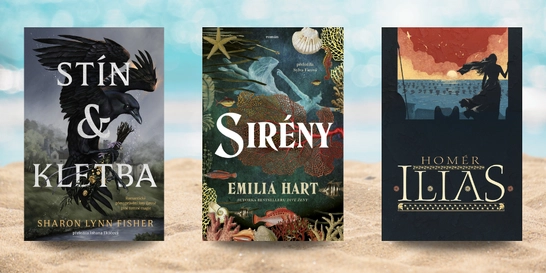
6 červencových novinek, které si přibalit na dovolenou
Slunce svítí, prázdniny jsou v plném proudu a spousta z nás si dopřává...



Kniha ( pevná vazba )


On Alexander CalderÂ’s fruitful, creative and enduring relationship with MoMA, from the early wire sculptures to late abstractionsAlexander CalderÂ’s work first appeared in the Museum of Modern ArtÂ’s galleries in 1930, in the exhibition Painting and Sculpture by Living Americans. Over the next decades the artistÂ’s connection with the Museum… Přejít na celý popis

On Alexander CalderÂ’s fruitful, creative and enduring relationship with MoMA, from the early wire sculptures to late abstractions
Alexander Calder’s work first appeared in the Museum of Modern Art’s galleries in 1930, in the exhibition Painting and Sculpture by Living Americans. Over the next decades the artist’s connection with the Museum would be deep, productive and mutually beneficial. Calder cultivated friendships and working relationships with notable figures, including Alfred H. Barr Jr., the Museum’s founding director, and James Johnson Sweeney, with whom he collaborated on his expansive retrospective exhibition in 1943. His work is imprinted on MoMA’s early history, not only for its material and conceptual innovation but also for its presence at significant moments, such as a mobile made to hang over the lobby’s grand staircase on the occasion of the new Goodwin and Stone building (Lobster Trap and Fish Tail, which hangs there to this day); an elaborate candelabra to adorn the tables at a celebratory anniversary event; and a sculpture to fly off a flagpole to advertise the landmark exhibition Cubism and Abstract Art.Alexander Calder: Modern from the Start celebrates this extraordinarily fertile relationship between an institution and an artist who was both an important creative partner and, with his magnificent gift of 19 works in 1966, a major donor. Through MoMA, Calder came to be known as a pioneer of modern sculpture, and through Calder, MoMA came to understand itself as an American museum of modern art.After studying engineering, Alexander Calder (1898–1976) moved to Paris in the late 1920s, where he found himself at the center of the city’s artistic avant-garde. There, he developed his Cirque Calder, a performance artwork comprising dozens of miniature handmade objects, and a group of standalone figurative works in wire. Turning toward abstraction in 1930, Calder invented the mobile—an abstract sculpture made of independent parts that incorporate natural or mechanical movement. He would continue to explore the possibilities of this visual language for the rest of his career, eventually shifting to monumental constructions and public works.
0.0 z 5 0 hodnocení čtenářů
0× 5 hvězdiček 0× 4 hvězdičky 0× 3 hvězdičky 0× 2 hvězdičky 0× 1 hvezdička
Získejte přehled o vývoji ceny za posledních 60 dní.
Slunce svítí, prázdniny jsou v plném proudu a spousta z nás si dopřává...

Pokud vám seriál Heated Rivalry (Spalující rivalita) nedal spát a zhlédli...

Pokud nevíte, zda sáhnout po „nové Lukáškové“, váš osobní...

Tahle kniha se ke mně původně dostala jen proto, abych ji předala někomu z...

Nestihli jste naše žhavé literární odpoledne na Masarykově nádraží, nebo...
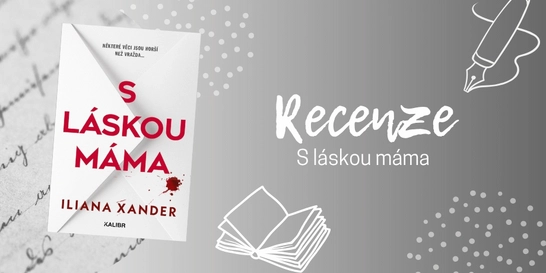
Po dočtení poslední knihy, která byla na můj vkus až příliš...
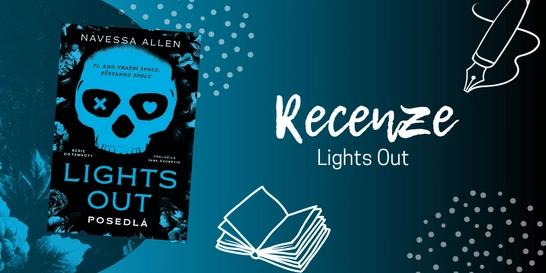
Už jste také někdy spadli do pasti algoritmu sociálních sítí? Znáte to....

Ne vždycky má člověk chuť vyrážet na nákup do obchodního centra. Někdy...
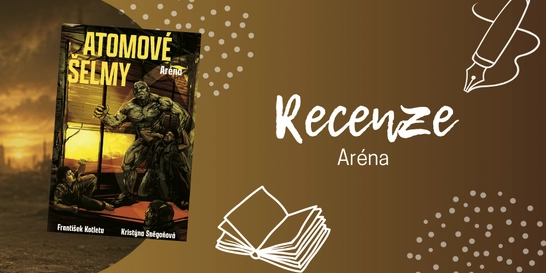
Pokud jste unavení ze všech těch varování, že světu hrozí atomová válka...
Nová gotická dark romance
Mrtví živé učí. Anatomie hříchu v rukou nebezpečně přitažlivého patologa

Mohlo by vás zajímat
Zběsilá postapo jízda pokračuje
Hřbitov není místo pro slabé povahy ani pro romantické procházky za soumraku. Postapo nářez plný mutací, šílenství a bohů, kteří možná nikdy neměli být probuzeni.
Mohlo by vás zajímat
Tři ženy, pět století, jedno tajemství...
Dechberoucí příběh o ženské síle, odhodlání a hlubokém spojení s přírodou.
Mohlo by vás zajímat
Hola, amigo!
Seznamte se s Eliškou, Hugem a sovou Listillo – a objevte španělštinu s úsměvem.
Mohlo by vás zajímat
Modrá klasika do každé aktovky
Žádné zbytečné kouzlení, jen poctivý sešit pro každodenní psaní.
Mohlo by vás zajímat
Rychlejší než blesk!
Rozšiřte svou klasickou sadu o Speed Pack a dodejte vašemu UNO nový život.
Mohlo by vás zajímat
Královna oslavy!
Cleo září ve zlatém outfitu a přináší monstrózní narozeninovou radost. Přidejte ji do své sbírky Monster High a rozjeďte párty!
Mohlo by vás zajímat
Kapitola u bazénu? Klidně.
Vodotěsné provedení vám dovolí číst u vody, na pláži i ve vaně bez zbytečných obav.
Každý měsíc společně přečteme tisíce knih







Tento web je chráněn službou reCAPTCHA a platí pro něj Zásady ochrany soukromí a Smluvní podmínky. | © 2001–2026 DOBROVSKÝ s.r.o. Všechna práva vyhrazena.






 KnihyDobrovsky.cz
 knihydobrovsky
 @knihydobrovskycz
 @knihydobrovsky