


Ali Hazelwood oznámila pokračování Hypotézy lásky
Mysleli jste si, že příběh Olive a Adama skončil poslední stránkou...


E-kniha
Kniha je ve formátech mobi ePUB
210 Kč s DPH
Jsme transparentní
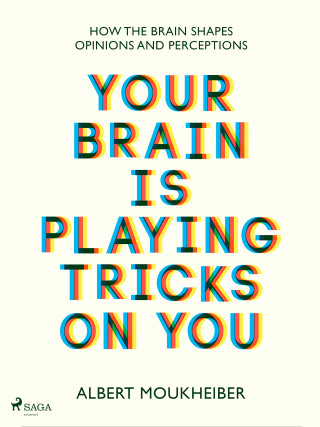
Why are we often convinced that we're right even when we're wrong? Why are we jealous, or paranoid, even when we have absolutely no reason to be? Why is it so easy for fake news to spread around the globe and fool us? It's because we don't see the world as it is, rather we reconstruct it in our mind. Reality is way too complex and multiple to… Přejít na celý popis


Why are we often convinced that we're right even when we're wrong?
Why are we jealous, or paranoid, even when we have absolutely no reason to be?
Why is it so easy for fake news to spread around the globe and fool us?
It's because we don't see the world as it is, rather we reconstruct it in our mind. Reality is way too complex and multiple to be apprehended by our capacities of attention, which are quite limited, as well as our brain abilities. That is why our perception of the world is subjective and various elements influence the way we acquire knowledge and form opinions. Our brain is recreating the world in its own way – most of the time for our own how hard would it be if, before making a choice, we had to know about all the options available in a given situation? It would take us forever to choose an item of clothing in a store, or a meal in a restaurant! Luckily, our brain can even if it makes us imperfect and subject to illusion, delusion and error, it allows us to reconstruct the world as we know it, and live in it.
However, these very useful mechanisms can sometimes mislead us and have a rather negative impact on our actions, beliefs and when our brain behaves that way, we say it is biased. Albert Moukheiber gives us tips and tricks to fight against these cognitive biases – the first one being not to trust ourselves too much and to always doubt our thinking processes, especially in this era where social networks spread information like an epidemic. In this book, filled with multiple examples from our daily lives and psychosocial experiments, Moukheiber explores the building blocks of our perception, cognition and behaviour, which are involved in acquiring knowledge or forming opinions.
0.0 z 5 0 hodnocení čtenářů
0× 5 hvězdiček 0× 4 hvězdičky 0× 3 hvězdičky 0× 2 hvězdičky 0× 1 hvezdička


Získejte přehled o vývoji ceny za posledních 60 dní.
Mysleli jste si, že příběh Olive a Adama skončil poslední stránkou...
Literární svět přišel o jednoho ze svých nejvýraznějších autorů...
Stačí pár kliknutí a můžete se zaposlouchat. Audioknihu si vyberete na...
Přiznávám se bez mučení: tentokrát jsem se nechala zlákat hlavně...
Máme dobrou zprávu pro všechny čtenáře z Třebíče a okolí. Nově nás...
Saving 6 je třetím dílem série Kluci z Tommenu. Je to kniha plná bolesti,...
Máte chuť na audioknihu, ale zrovna se vám nechce rozšiřovat knihovničku o...
Sarah J. Maas nám zase hodila drobeček a fandom má samozřejmě o čem...
Když v roce 2024 vznikalo Dobro.čtení, stálo na jasné myšlence: přinést...
Nový román Petry Lukešové
Po smrti matky se Mira po čtrnácti letech vrací do rodné vesnice. Proč ji matka kdysi nechala v dětském domově a proč je teď Mira v rodné vesnici nevítána?
Mohlo by vás zajímat
První detektivka od královny české fantastiky
Příběh, jaký by napsala Agatha Christie, kdyby chtěla, aby byl její hrdina Čech s krizí středního věku.
Mohlo by vás zajímat
Mohlo by vás zajímat
Dějiny přehledně pro odborné školy
Učebnice probírá domácí a světové dějiny paralelně. Pomáhá tak studentům pochopit nejen data a události, ale hlavně souvislosti, které formovaly svět.
Mohlo by vás zajímat
Jedna karta vládne všem?
UNO vyráží do Středozemě. Známý princip odhazování podle barvy nebo čísla zůstává, ale motiv Pána prstenů dodává hře nový sběratelský i fanouškovský rozměr.
Mohlo by vás zajímat
KPop Demon Hunters připraveny na scénu i souboj
Rumi, Zoey, Mira, Jinu, Baby, Derpy, Sussie… a možná i tajná figurka. Každý kus je malé sběratelské překvapení, které rozšiřuje vlastní tým Lovkyň démonů.
Mohlo by vás zajímat
Stylový štít pro Kindle 2019 a 2020
Funkce Wake/Sleep pro úsporu baterie a magnetické zapínání pro bezpečné zavření.
Každý měsíc společně přečteme tisíce knih





Tento web je chráněn službou reCAPTCHA a platí pro něj Zásady ochrany soukromí a Smluvní podmínky. | © 2001–2026 DOBROVSKÝ s.r.o. Všechna práva vyhrazena.








 KnihyDobrovsky.cz
 knihydobrovsky
 @knihydobrovskycz
 @knihydobrovsky