
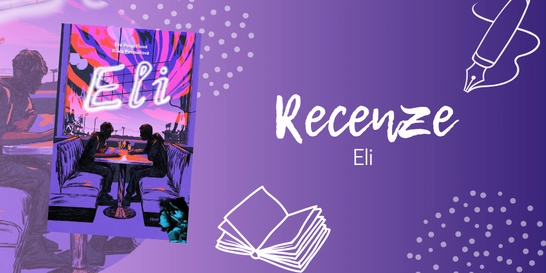
Eli: queer romance plná bolesti i ryzí lásky | RECENZE
Tahle kniha se ke mně původně dostala jen proto, abych ji předala někomu z...



Kniha ( měkká vazba )
494 Kč s DPH
Jsme transparentní


Při zaslání zboží balíčkem
K nákupu nad 1699 Kč dárek zdarma v hodnotě 198 Kč
Stalinova baletka - Příběh odvahy a boje o přežití v sovětském Rusku
In his provocative but critically acclaimed theory about the origin of introspectable mentality, Julian Jaynes argued that until the late second millennium people possessed a different psychology: a "two-chambered" (bicameral) neurocultural arrangement in which a commanding "god" guided, admonished, and ordered about a listening “mortal  Přejít na celý popis
In his provocative but critically acclaimed theory about the origin of introspectable mentality, Julian Jaynes argued that until the late second millennium people possessed a different psychology: a "two-chambered" (bicameral) neurocultural arrangement in which a commanding "god" guided, admonished, and ordered about a listening “mortal†via voices, visions, and visitations. Out of the cauldron of civilizational collapse and chaos, an adaptive self-reflexive consciousness emerged better suited to the pressures of larger, more complex sociopolitical systems.
Though often described as boldly iconoclastic and far ahead of its time, Jaynes''s thinking actually resonates with a “second†or “other†psychological tradition that explores the cultural-historical evolution of psyche. Brian J. McVeigh, a student of Jaynes, points out the blind spots of mainstream, establishment psychology by providing empirical support for Jaynes''s ideas on sociohistorical shifts in cognition. He argues that from around 3500 to 1000 BCE the archaeological and historical record reveals features of hallucinatory super-religiosity in every known civilization. As social pressures eroded the god-centered authority of bicamerality, an upgraded psychology of interiorized self-awareness arose during the Late Bronze Age Collapse. A key explanatory component of Jaynes’s theorizing was how metaphors constructed a mental landscape populated with “I’s†and “me’s†that replaced a declining worldview dominated by gods, ancestors, and spirits. McVeigh statistically substantiates how linguo-conceptual changes reflected psychohistorical developments; because supernatural entities functioned in place of our inner selves, vocabularies for psychological terms were strikingly limited in ancient languages. McVeigh also demonstrates the surprising ubiquity of “hearing voices†in modern times, contending that hallucinations are bicameral vestiges and that mental imagery—a controllable, semi-hallucinatory experience—is the successor to the divine hallucinations that once held societies together.
This thought-provoking work will appeal to anyone interested in the transformative power of metaphors, the development of mental lexicons, and the adaptive role of hallucinations.
0.0 z 5 0 hodnocení čtenářů
0× 5 hvězdiček 0× 4 hvězdičky 0× 3 hvězdičky 0× 2 hvězdičky 0× 1 hvezdička
Získejte přehled o vývoji ceny za posledních 60 dní.
Tahle kniha se ke mně původně dostala jen proto, abych ji předala někomu z...

Nestihli jste naše žhavé literární odpoledne na Masarykově nádraží, nebo...
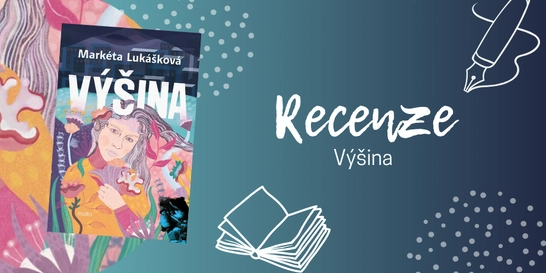
Pokud nevíte, zda sáhnout po „nové Lukáškové“, váš osobní...
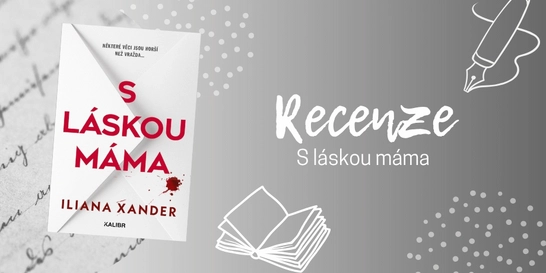
Po dočtení poslední knihy, která byla na můj vkus až příliš...
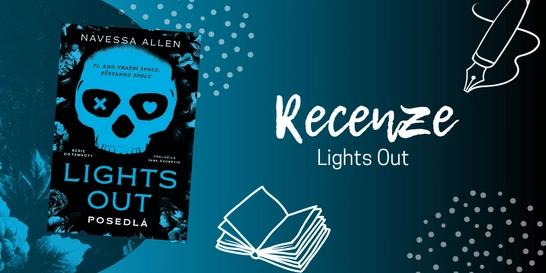
Už jste také někdy spadli do pasti algoritmu sociálních sítí? Znáte to....
Ne vždycky má člověk chuť vyrážet na nákup do obchodního centra. Někdy...
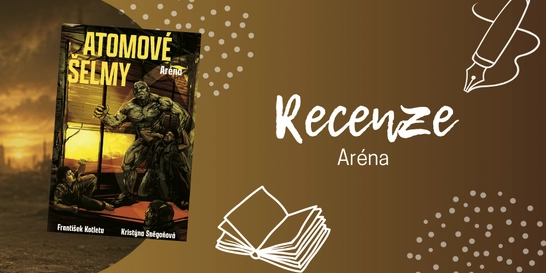
Pokud jste unavení ze všech těch varování, že světu hrozí atomová válka...

Od letošního CinemaConu už uběhlo pár týdnů, ale moje nadšení z...
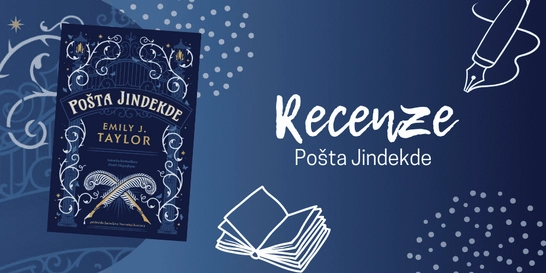
Po knize Pošta Jindekde jsem sáhla hlavně proto, že mám tvorbu Emily J....
494 Kč s DPH
Jsme transparentní
Dvě ženy, dvě doby, jeden osud ukrytý v mlze
Starověká Británie zachvácená římským povstáním se prolíná s přítomností mladé Hanny, kterou po návratu domů začnou pronásledovat podivné vize i dávná tajemství.

Mohlo by vás zajímat
Dva sourozenci, jeden neúprosný svět.
Po zmizení matky zůstávají Kryštof a Ida sami a snaží se zvládnout každodenní život bez dospělých. Příběh o sourozeneckém poutu, dospívání a rozhodnutích, která přicházejí příliš brzy.
Mohlo by vás zajímat
Zběsilý postapo svět. Tvrdá pravidla.
Druhý díl, který přitvrzuje. Sněgoňová & Kotleta servírují Arénu, kde přežijí jen ti nejtvrdší. Ostatní skončí jako krmivo.
Mohlo by vás zajímat
Parkuj a vyraž!
Všechny Hot Wheels® pohromadě a připravené na akční drift se stylovou garáží.
Mohlo by vás zajímat
Mohlo by vás zajímat
Knihovna, která nezabere ani polici
Detektivky, romány, fantasy ságy i pracovní dokumenty v jedné tenké černé čtečce. Kindle Paperwhite je pro všechny knihomoly, kteří chtějí maximum čtení v minimu prostoru.
Mohlo by vás zajímat
Ať víte, kdy je matika, keramika i posilovna
Rozvrhy, kroužky, poznámky i důležité termíny pěkně pohromadě. Praktický školní kalendář pomůže sladit povinnosti i volný čas bez zbytečného zmatku.
Každý měsíc společně přečteme tisíce knih







Tento web je chráněn službou reCAPTCHA a platí pro něj Zásady ochrany soukromí a Smluvní podmínky. | © 2001–2026 DOBROVSKÝ s.r.o. Všechna práva vyhrazena.






 KnihyDobrovsky.cz
 knihydobrovsky
 @knihydobrovskycz
 @knihydobrovsky