
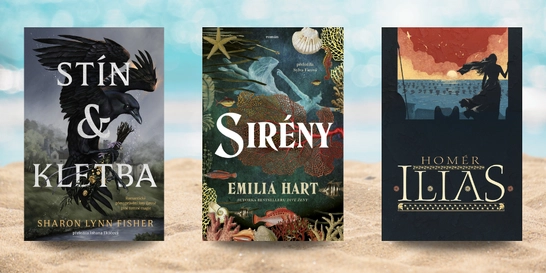
6 červencových novinek, které si přibalit na dovolenou
Slunce svítí, prázdniny jsou v plném proudu a spousta z nás si dopřává...



Kniha ( měkká vazba )
792 Kč s DPH
Jsme transparentní


Although lowland Britain in 300 CE had been as Roman as any province in the empire, in the generations on either side of 400, urban life, the money economy, and the functioning state collapsed. Many of the most quotidian and fundamental elements of Roman-style material culture ceased to be manufactured. Skills related to iron and copper… Přejít na celý popis

5.0 z 5 hvězdiček
Voucher
5.0 z 5 hvězdiček
Voucher
5.0 z 5 hvězdiček
Voucher
5.0 z 5 hvězdiček
Voucher
Although lowland Britain in 300 CE had been as Roman as any province in the empire, in the generations on either side of 400, urban life, the money economy, and the functioning state collapsed. Many of the most quotidian and fundamental elements of Roman-style material culture ceased to be manufactured. Skills related to iron and copper smelting, wooden board and plank making, stone quarrying, commercial butchery, horticulture, and tanning largely disappeared, as did the knowledge standing behind the production of wheel-thrown, kiln-fired pottery and building in stone. No other period in Britain's prehistory or history witnessed the loss of so many classes of once-common skills and objects. While the reasons for this breakdown remain unclear, it is indisputable the collapse was foundational in the making of a new world we characterize as early medieval. The standard explanation for the emergence of the new-style material culture found in lowland Britain by the last quarter of the fifth century is that foreign objects were brought in by "Anglo-Saxon" settlers. Marshalling a wealth of archaeological evidence, Robin Fleming argues instead that not only Continental immigrants, but also the people whose ancestors had long lived in Britain built this new material world together from the ashes of the old, forging an identity that their descendants would eventually come to think of as English. As with most identities, she cautions, this was one rooted in neither birth nor blood, but historically constructed, and advanced and maintained over the generations by the shared material culture and practices that developed during and after Rome's withdrawal from Britain.
0.0 z 5 0 hodnocení čtenářů
0× 5 hvězdiček 0× 4 hvězdičky 0× 3 hvězdičky 0× 2 hvězdičky 0× 1 hvezdička
Získejte přehled o vývoji ceny za posledních 60 dní.
Slunce svítí, prázdniny jsou v plném proudu a spousta z nás si dopřává...

Pokud vám seriál Heated Rivalry (Spalující rivalita) nedal spát a zhlédli...
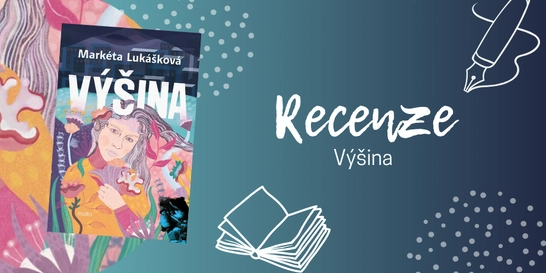
Pokud nevíte, zda sáhnout po „nové Lukáškové“, váš osobní...

Tahle kniha se ke mně původně dostala jen proto, abych ji předala někomu z...

Nestihli jste naše žhavé literární odpoledne na Masarykově nádraží, nebo...
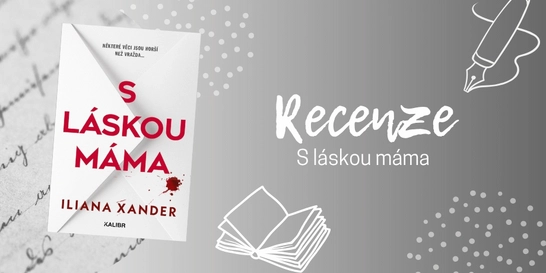
Po dočtení poslední knihy, která byla na můj vkus až příliš...
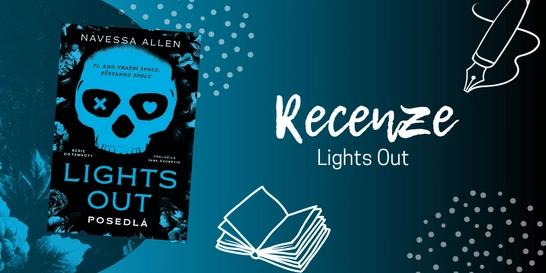
Už jste také někdy spadli do pasti algoritmu sociálních sítí? Znáte to....
Ne vždycky má člověk chuť vyrážet na nákup do obchodního centra. Někdy...
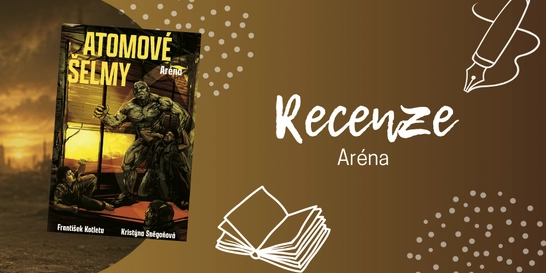
Pokud jste unavení ze všech těch varování, že světu hrozí atomová válka...
792 Kč s DPH
Jsme transparentní
Nová gotická dark romance
Mrtví živé učí. Anatomie hříchu v rukou nebezpečně přitažlivého patologa

Mohlo by vás zajímat
Nový román Viktorie Hanišové
Když se její otec upálí před Poslaneckou sněmovnou, začne Lada hledat důvody jeho činu.
Mohlo by vás zajímat
Zběsilý postapo svět. Tvrdá pravidla.
Druhý díl, který přitvrzuje. Sněgoňová & Kotleta servírují Arénu, kde přežijí jen ti nejtvrdší. Ostatní skončí jako krmivo.
Mohlo by vás zajímat
Hola, amigo!
Seznamte se s Eliškou, Hugem a sovou Listillo – a objevte španělštinu s úsměvem.
Mohlo by vás zajímat
Modrá klasika do každé aktovky
Žádné zbytečné kouzlení, jen poctivý sešit pro každodenní psaní.
Mohlo by vás zajímat
Rychlejší než blesk!
Rozšiřte svou klasickou sadu o Speed Pack a dodejte vašemu UNO nový život.
Mohlo by vás zajímat
Mohlo by vás zajímat
Kapitola u bazénu? Klidně.
Vodotěsné provedení vám dovolí číst u vody, na pláži i ve vaně bez zbytečných obav.
Každý měsíc společně přečteme tisíce knih







Tento web je chráněn službou reCAPTCHA a platí pro něj Zásady ochrany soukromí a Smluvní podmínky. | © 2001–2026 DOBROVSKÝ s.r.o. Všechna práva vyhrazena.






 KnihyDobrovsky.cz
 knihydobrovsky
 @knihydobrovskycz
 @knihydobrovsky