


Dvůr roztříštěné harmonie: Vyplatilo se čekání na další díl ACOTARu? | RECENZE
Fanoušci čekali pět let, než se budou moci vrátit do Prythianu a ke svým...


Kniha ( pevná vazba )


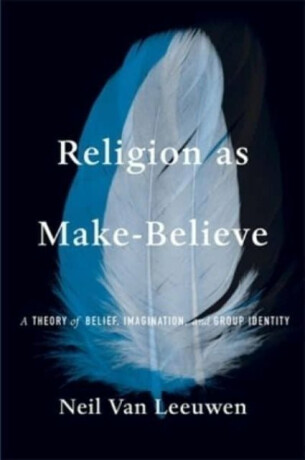
To understand the nature of religious belief, we must look at how our minds process the world of imagination and make-believe. We often assume that religious beliefs are no different in kind from ordinary factual beliefs—that believing in the existence of God or of supernatural entities that hear our prayers is akin to believing that May… Přejít na celý popis


To understand the nature of religious belief, we must look at how our minds process the world of imagination and make-believe. We often assume that religious beliefs are no different in kind from ordinary factual beliefs—that believing in the existence of God or of supernatural entities that hear our prayers is akin to believing that May comes before June. Neil Van Leeuwen shows that, in fact, these two forms of belief are strikingly different. Our brains do not process religious beliefs like they do beliefs concerning mundane reality; instead, empirical findings show that religious beliefs function like the imaginings that guide make-believe play. Van Leeuwen argues that religious belief—which he terms religious “credence”—is best understood as a form of imagination that people use to define the identity of their group and express the values they hold sacred. When a person pretends, they navigate the world by consulting two maps: the first represents mundane reality, and the second superimposes the features of the imagined world atop the first. Drawing on psychological, linguistic, and anthropological evidence, Van Leeuwen posits that religious communities operate in much the same way, consulting a factual-belief map that represents ordinary objects and events and a religious-credence map that accords these objects and events imagined sacred and supernatural significance. It is hardly controversial to suggest that religion has a social function, but Religion as Make-Believe breaks new ground by theorizing the underlying cognitive mechanisms. Once we recognize that our minds process factual and religious beliefs in fundamentally different ways, we can gain deeper understanding of the complex individual and group psychology of religious faith.
0.0 z 5 0 hodnocení čtenářů
0× 5 hvězdiček 0× 4 hvězdičky 0× 3 hvězdičky 0× 2 hvězdičky 0× 1 hvezdička
Získejte přehled o vývoji ceny za posledních 60 dní.
Fanoušci čekali pět let, než se budou moci vrátit do Prythianu a ke svým...
Každý z nás si z dětství pamatuje to příjemné těšení na otevření...
Nejdřív divákům zamotal hlavu jako tajemný upír Edward Cullen, potom...
Kolik lidí se vejde do jedné duše? Na velmi krátký okamžik to byl Tyrone...
Marvel si zjevně řekl, že nás před premiérou Avengers: Doomsday nenechá...
Mezi tvými oblíbenými romány se rozsvítila malá japonská ulička. Má...
Listopad si přímo říká o večery strávené s knihou. Venku se brzy...
Po úspěšných knihách s Erikou Fosterovou a Kate Marshallovou se Robert...
Vánoce jsou za dveřmi a s nimi přichází i každoroční otázka: Co letos...
Žhavá hokejová senzace
Emerson dostane životní šanci zahrát si v NHL jako první žena v lize. Kapitán Maverick Miller jí ale od prvního setkání pije krev, a tak to vypadá, že bude společná sezona pořádně náročná.
Mohlo by vás zajímat
Co když jsou všechny městské legendy skutečné?
Holland zjistí, že za necelých 24 hodin zemře, pokud nenajde bájné srdce alchymistů. Pátrání ji zavede do tajemného světa magie, kde nemůže věřit ani svému záhadnému ochránci.
Mohlo by vás zajímat
Co když jsou všechny městské legendy skutečné?
Holland zjistí, že za necelých 24 hodin zemře, pokud nenajde bájné srdce alchymistů. Pátrání ji zavede do tajemného světa magie, kde nemůže věřit ani svému záhadnému ochránci.
Mohlo by vás zajímat
Kočičí kletba útočí! Mňauhehe!
Výbušná koťátka se vracejí s pořádnou dávkou kočičí škodolibosti! Karty prokletí dokážou zamíchat každou partií a proměnit zdánlivě nevinný tah v naprostý chaos.
Mohlo by vás zajímat
Clawdeen je zpátky a má pořádné drápky!
Legendární vlkodlačí monsterka se vrací v ikonické podobě první generace Monster High. Původní design, stylové doplňky a pořádná dávka nostalgie dělají z této reedice příšerně skvělý sběratelský kousek.
Mohlo by vás zajímat
Darujte štěstí ze Staroviček!
Voňavý polštářek ve tvaru sloníka je ručně ušitý s láskou a naplněný levandulí, která promění každý koutek domova v příjemné místo k odpočinku.
Každý měsíc společně přečteme tisíce knih





Tento web je chráněn službou reCAPTCHA a platí pro něj Zásady ochrany soukromí a Smluvní podmínky. | © 2001–2026 DOBROVSKÝ s.r.o. Všechna práva vyhrazena.





 KnihyDobrovsky.cz
 knihydobrovsky
 @knihydobrovskycz
 @knihydobrovsky