

6 červencových novinek, které si přibalit na dovolenou
Slunce svítí, prázdniny jsou v plném proudu a spousta z nás si dopřává...



Kniha ( měkká vazba )
4 785 Kč s DPH
Jsme transparentní


In wastewater reclamation systems, microbiological monitoring is conducted to ensure that the users of reclaimed water are exposed to minimal risks from exposure to pathogens. Typically, utilities rely on the use of process controls to remove or inactivate pathogens. Routine monitoring of indicator organisms is conducted to evaluate overall… Přejít na celý popis
In wastewater reclamation systems, microbiological monitoring is conducted to ensure that the users of reclaimed water are exposed to minimal risks from exposure to pathogens. Typically, utilities rely on the use of process controls to remove or inactivate pathogens. Routine monitoring of indicator organisms is conducted to evaluate overall process performance and for regulatory compliance. However, the effectiveness of individual treatment processes for removal of pathogens is dependent on process variables. This project was conducted to compare the effectiveness of biological treatment, filtration, and disinfection for removal of bacterial and viral indicators, enteric viruses, and protozoan pathogens. Six full-scale treatment facilities were each sampled a minimum of four times over a one year period. The relative impacts of loading conditions, process design, and operating parameters on the removal/inactivation of a suite of nine microbial species (bacteria, coliphages, enteric viruses, and protozoan pathogens) was evaluated. Bacterial removal was consistent for all types of biological systems, however, increased virus removal was associated with biological nutrient removal and nitrification processes. Parasite removal was highly variable. The effectiveness of filtration was impacted most by the use of upstream chemicals (either chlorine or coagulant chemicals). Chlorine disinfection was more effective in cases where ammonia levels were low (biological nutrient removal or nitrification facilities). Infectivity assays for protozoan pathogens suggest that the proportion of infective cysts or oocysts increases with increasing level of treatment.
0.0 z 5 0 hodnocení čtenářů
0× 5 hvězdiček 0× 4 hvězdičky 0× 3 hvězdičky 0× 2 hvězdičky 0× 1 hvezdička
Získejte přehled o vývoji ceny za posledních 60 dní.
Slunce svítí, prázdniny jsou v plném proudu a spousta z nás si dopřává...

Pokud vám seriál Heated Rivalry (Spalující rivalita) nedal spát a zhlédli...
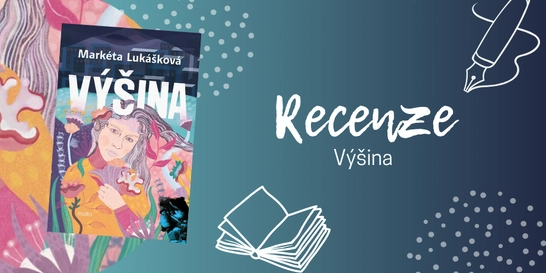
Pokud nevíte, zda sáhnout po „nové Lukáškové“, váš osobní...

Tahle kniha se ke mně původně dostala jen proto, abych ji předala někomu z...
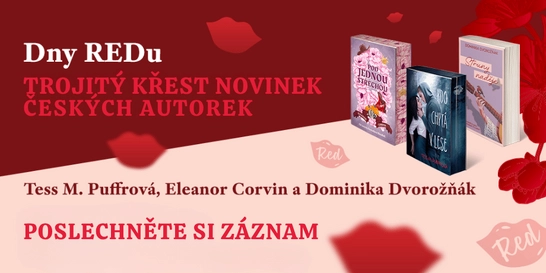
Nestihli jste naše žhavé literární odpoledne na Masarykově nádraží, nebo...
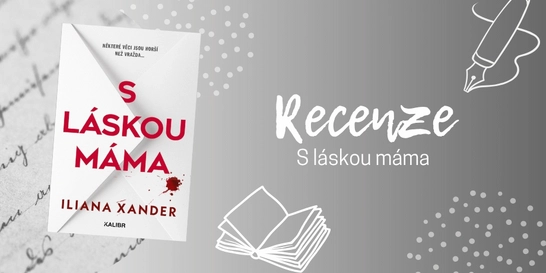
Po dočtení poslední knihy, která byla na můj vkus až příliš...
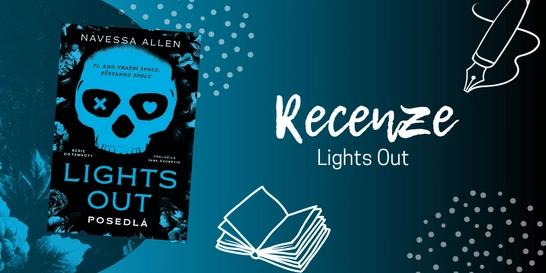
Už jste také někdy spadli do pasti algoritmu sociálních sítí? Znáte to....
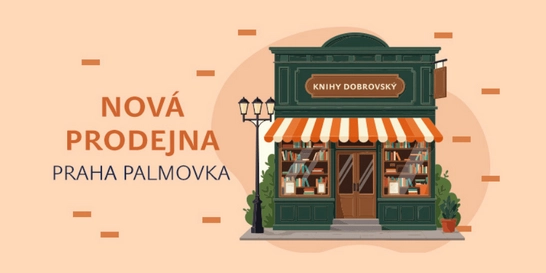
Ne vždycky má člověk chuť vyrážet na nákup do obchodního centra. Někdy...
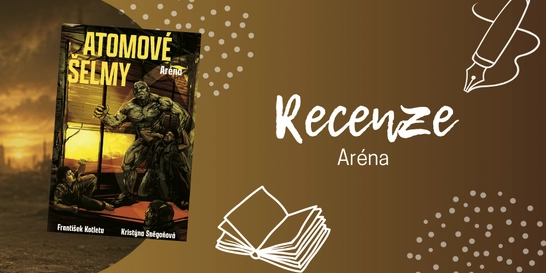
Pokud jste unavení ze všech těch varování, že světu hrozí atomová válka...
4 785 Kč s DPH
Jsme transparentní
Nová temná romance od Tess M. Puffrové
Měl to být nový začátek. Místo toho ji čeká nebezpečně přitažlivý student, stalking a les plný tajemství, která se neměla dostat ven.

Mohlo by vás zajímat
Zběsilá postapo jízda pokračuje
Hřbitov není místo pro slabé povahy ani pro romantické procházky za soumraku. Postapo nářez plný mutací, šílenství a bohů, kteří možná nikdy neměli být probuzeni.
Mohlo by vás zajímat
Zběsilý postapo svět. Tvrdá pravidla.
Druhý díl, který přitvrzuje. Sněgoňová & Kotleta servírují Arénu, kde přežijí jen ti nejtvrdší. Ostatní skončí jako krmivo.
Mohlo by vás zajímat
Matika, co počítá s budoucností.
Učebnice, která propojuje čísla, logiku i technologie. Protože i vzorce jdou s dobou.
Mohlo by vás zajímat
Modrá klasika do každé aktovky
Žádné zbytečné kouzlení, jen poctivý sešit pro každodenní psaní.
Mohlo by vás zajímat
UNO, tvrdší než kdy předtím
Nelítostné karty, brutální postihy, škodolibá radost a taktické bitvy!
Mohlo by vás zajímat
Mohlo by vás zajímat
Malý kousek galerie na knížky, drobnosti i menší nákup
Plátěná taška Paperblanks Natsu díky pevné bavlněné látce unese až 7 kg.
Každý měsíc společně přečteme tisíce knih



Tento web je chráněn službou reCAPTCHA a platí pro něj Zásady ochrany soukromí a Smluvní podmínky. | © 2001–2026 DOBROVSKÝ s.r.o. Všechna práva vyhrazena.






 KnihyDobrovsky.cz
 knihydobrovsky
 @knihydobrovskycz
 @knihydobrovsky