


KONEČNĚ! Už víme, kdo si zahraje Violet a Xadena v seriálu Čtvrté křídlo
Fanoušci Čtvrtého křídla, TOHLE NENÍ CVIČENÍ! Po nekonečných...


Kniha ( měkká vazba )
693 Kč s DPH
Jsme transparentní


Při zaslání zboží balíčkem
K nákupu nad 1999 Kč dárek zdarma v hodnotě 299 Kč
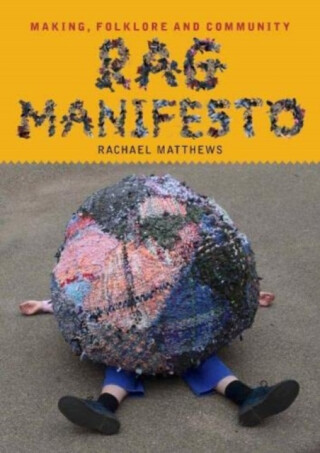
   ItÂ’s time to reconsider the value of our waste. In the past rags were valuable commodities you could sell on. Gathering rag and turning it into yarn was rich in the possibility of making things. This Rag Manifesto is a unique, artistÂ’s view of the traditional art of rag rug making for this age of the Anthropocene. Projects made in the… Přejít na celý popis


5.0 z 5 hvězdiček
Voucher


5.0 z 5 hvězdiček
Voucher


5.0 z 5 hvězdiček
Voucher   It’s time to reconsider the value of our waste. In the past rags were valuable commodities you could sell on. Gathering rag and turning it into yarn was rich in the possibility of making things. This Rag Manifesto is a unique, artist’s view of the traditional art of rag rug making for this age of the Anthropocene. Projects made in the artist’s studio and with a community group, highlight a reverence for our lost textiles, a response to the environmental impact of fast fashion and a proof that rag is a rich resource, wrongly classed as a taboo material. The author Rachael Matthews gives us permission to cut up our old fabrics offering a support structure for decision making and a chart on how to make liberating decisions about destroying a garment – be it a found item or a misguided purchase – and how our actions can develop community as well as our own self-esteem. A modernist interpretation of rag weaving European modernist painters, such as Ben and Winifred Nicholson, became interested in Rag Rug making in the 1920s. Picasso inspired freedom in creativity, using found materials and recognising that ‘primitive’ art was highly skilled. The art world missed a trick in not accepting these painterly rag works as true art and many have been lost. A century later, post pandemic, the need for a community to gather and make textiles was strengthened by a shared concern about the textile waste found on the streets where they live. This led to the artist founding Rag School, an on-line studio to rediscover the lost ways of making things. This led to a real-life rag studio with East London Textiles Arts, piloting ways that diverse communities everywhere could re-learn how to process textile waste in beautiful ways, caring for each other along the way. The transformation of waste has been a valuable remedy in recovering from the collective trauma of the pandemic: ripping is thrilling, storytelling cathartic, and the craft work a great place of focus and thought.
0.0 z 5 0 hodnocení čtenářů
0× 5 hvězdiček 0× 4 hvězdičky 0× 3 hvězdičky 0× 2 hvězdičky 0× 1 hvezdička
Získejte přehled o vývoji ceny za posledních 60 dní.
Fanoušci Čtvrtého křídla, TOHLE NENÍ CVIČENÍ! Po nekonečných...
Zapomeňte na romantická gesta, květiny a pohodové vztahy. V říjnu se totiž...
Fanoušci Čtvrtého křídla, máme pro vás skvělou zprávu! Chystaná novinka...
Jsou ženské postavy, se kterými se ztotožníte, nebo je naopak chcete...
Jedna krabice, tisíce příběhů a pořádná dávka knižního Tetrisu! Od 5....
Na Alchymii tajemství jsem se těšila hlavně proto, že Stephanie Garber umí...
Knižní blogerka, moderátorka knižních akcí a organizátorka projektu...
Po deseti letech se vracím na místo činu, na počátek velkolepého příběhu...
Vydání šestého dílu série Dvůr trnů a růží, který ponese název Dvůr...
693 Kč s DPH
Jsme transparentní
Marie odjíždí do vánočních Brugg začít znovu
A najde tam nejen novou práci a přátele, ale i charismatického souseda Pierra. Jenže právě on je spojený s její minulostí a oba stojí na opačné straně soudní síně.
Mohlo by vás zajímat
Nová temná romance od Tess M. Puffrové
Měl to být nový začátek. Místo toho ji čeká nebezpečně přitažlivý student, stalking a les plný tajemství, která se neměla dostat ven.
Mohlo by vás zajímat
Další kapitola postapo ságy je tady
Temná velekněžka a Šerif vyrážejí do Pustiny, kde vládnou nájezdníci a pravidla tu moc nectí. Čeká je nebezpečná výprava, tajemství a samozřejmě pořádná dávka akce.
Mohlo by vás zajímat
Učebnice pro školu i život
Stručný přehled 2026/2027 nabízí všechna důležitá ekonomická témata v jedné učebnici. Od základních pojmů přes podnikání až po finanční trhy pomůže studentům rychle se zorientovat.
Mohlo by vás zajímat
UNO míří do Bradavic
Kouzla, karty a rychlé zvraty. UNO® Harry Potter je snadno pochopitelné, rychlé a vhodné pro 2 až 10 hráčů. Hodí se na rodinné večery, dětské oslavy i setkání fanoušků Bradavic.
Mohlo by vás zajímat
Z filmové garáže na vaši polici
Hot Wheels Premium 84 MUSTANG SVO do sbírky fanoušků Rychle a zběsile i milovníků výrazných sportovních vozů
Mohlo by vás zajímat
Barevná klasika pro přesné linky
STABILO point 88 přináší 10 odstínů pro psaní, kreslení i tvoření detailů. Jemná stopa 0,4 mm pomáhá udržet linku čistou, přesnou a pod kontrolou.
Každý měsíc společně přečteme tisíce knih







Tento web je chráněn službou reCAPTCHA a platí pro něj Zásady ochrany soukromí a Smluvní podmínky. | © 2001–2026 DOBROVSKÝ s.r.o. Všechna práva vyhrazena.









 KnihyDobrovsky.cz
 knihydobrovsky
 @knihydobrovskycz
 @knihydobrovsky