


Finále VisionQuestu zamíchalo kartami. Co znamená pro Avengers: Doomsday?
Marvel si zjevně řekl, že nás před premiérou Avengers: Doomsday nenechá...


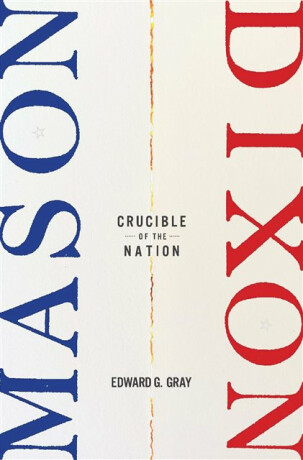
Kniha ( pevná vazba )
1 022 Kč s DPH
Jsme transparentní


“A magisterial yet highly nuanced account that ventures back and forth across Mason and Dixon’s fabled demarcation line as audaciously as 18th-century raiding parties once did.”—Harold Holzer, Wall Street JournalThe first comprehensive history of the Mason-Dixon Line—a dramatic story of imperial rivalry and settler-colonial violence, the bonds… Přejít na celý popis


5.0 z 5 hvězdiček
Voucher


5.0 z 5 hvězdiček
Voucher
“A magisterial yet highly nuanced account that ventures back and forth across Mason and Dixon’s fabled demarcation line as audaciously as 18th-century raiding parties once did.”—Harold Holzer, Wall Street JournalThe first comprehensive history of the Mason-Dixon Line—a dramatic story of imperial rivalry and settler-colonial violence, the bonds of slavery and the fight for freedom. The United States is the product of border dynamics—not just at international frontiers but at the boundary that runs through its first heartland. The story of the Mason-Dixon Line is the story of America’s colonial beginnings, nation building, and conflict over slavery. Acclaimed historian Edward Gray offers the first comprehensive narrative of the America’s defining border. Formalized in 1767, the Mason-Dixon Line resolved a generations-old dispute that began with the establishment of Pennsylvania in 1681. Rivalry with the Calverts of Maryland—complicated by struggles with Dutch settlers in Delaware, breakneck agricultural development, and the resistance of Lenape and Susquehannock natives—had led to contentious jurisdictional ambiguity, full-scale battles among the colonists, and ethnic slaughter. In 1780, Pennsylvania’s Act for the Gradual Abolition of Slavery inaugurated the next phase in the Line’s history. Proslavery and antislavery sentiments had long coexisted in the Maryland–Pennsylvania borderlands, but now African Americans—enslaved and free—faced a boundary between distinct legal regimes. With the passage of the Fugitive Slave Act in 1850, the Mason-Dixon Line became a federal instrument to arrest the northward flow of freedom-seeking Blacks. Only with the end of the Civil War did the Line’s significance fade, though it continued to haunt African Americans as Jim Crow took hold. Mason-Dixon tells the gripping story of colonial grandees, Native American diplomats, Quaker abolitionists, fugitives from slavery, capitalist railroad and canal builders, US presidents, Supreme Court justices, and Underground Railroad conductors—all contending with the relentless violence and political discord of a borderland that was a transformative force in American history.
0.0 z 5 0 hodnocení čtenářů
0× 5 hvězdiček 0× 4 hvězdičky 0× 3 hvězdičky 0× 2 hvězdičky 0× 1 hvezdička
Získejte přehled o vývoji ceny za posledních 60 dní.
Marvel si zjevně řekl, že nás před premiérou Avengers: Doomsday nenechá...
Mezi tvými oblíbenými romány se rozsvítila malá japonská ulička. Má...
Listopad si přímo říká o večery strávené s knihou. Venku se brzy...
Po úspěšných knihách s Erikou Fosterovou a Kate Marshallovou se Robert...
Vánoce jsou za dveřmi a s nimi přichází i každoroční otázka: Co letos...
Další díl podcastu Buď inspirující je tady! Tentokrát naše pozvání...
Vánoce už pomalu klepou na dveře a s nimi přichází i každoroční otázka:...
Říká se, že není důležité vyhrát, ale zúčastnit se. Zkuste to...
V předchozím halloweenském čtení jsme se společně ponořili do umění...
1 022 Kč s DPH
Jsme transparentní
Dva soupeřící vrazi. Jedna nebezpečná posedlost.
Mara Eldritchová se ocitne mezi dvěma rivaly, z nichž každý má vlastní temné úmysly. Jeden ji chce využít, druhý je jí posedlý. A oba jsou nebezpečnější, než vypadají.
Mohlo by vás zajímat
Nevěř nikomu. Lži každému. Nezamiluj se do svého nepřítele.
Dystopická romantasy senzace konečně v češtině!
Mohlo by vás zajímat
Aby zachránila svého bratra, nechá se uvěznit
V Endlocku, brutálním vězení kde bohatí loví vězně pro zábavu, však narazí na dozorce, který jí začne být nebezpečně blízký.
Mohlo by vás zajímat
Na plný plyn až do poslední karty!
Připoutejte se, karetní závod právě začíná! UNO Formula 1 Elite Racers spojuje oblíbenou karetní klasiku se světem rychlých monopostů, elitních jezdců a nečekaných herních zvratů.
Mohlo by vás zajímat
Spirála plná malých objevů!
Pestrobarevná plyšová spirála promění postýlku, kočárek i autosedačku v malé království zábavy. Veselé barvy, zajímavé tvary a hebký materiál lákají miminko k pozorování a objevování.
Mohlo by vás zajímat
Co mě nezabije, to mě posílí!
A co mě napadne, to si zapíšu! Originální blok BOBO s inspirativní ilustrací Lucie Ernestové je připravený zachytit všechny vaše myšlenky, nápady i malé životní výzvy.
Každý měsíc společně přečteme tisíce knih





Tento web je chráněn službou reCAPTCHA a platí pro něj Zásady ochrany soukromí a Smluvní podmínky. | © 2001–2026 DOBROVSKÝ s.r.o. Všechna práva vyhrazena.





 KnihyDobrovsky.cz
 knihydobrovsky
 @knihydobrovskycz
 @knihydobrovsky