


Finále VisionQuestu zamíchalo kartami. Co znamená pro Avengers: Doomsday?
Marvel si zjevně řekl, že nás před premiérou Avengers: Doomsday nenechá...


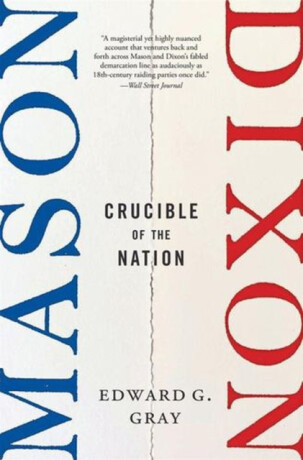
Kniha ( měkká vazba )


“Deeply researched and highly readable.” —Eric Foner, Times Literary Supplement“A rich history of regional distinctions, especially as they shaped the antebellum Republic.” —Kirkus Reviews“A fitting testament to a career marked by boundary-crossing curiosity and stalwart service to the historical profession…[a] splendid new history.” —Richard… Přejít na celý popis


5.0 z 5 hvězdiček
Voucher


5.0 z 5 hvězdiček
Voucher

“Deeply researched and highly readable.” —Eric Foner, Times Literary Supplement“A rich history of regional distinctions, especially as they shaped the antebellum Republic.” —Kirkus Reviews“A fitting testament to a career marked by boundary-crossing curiosity and stalwart service to the historical profession…[a] splendid new history.” —Richard Bell, Register of the Kentucky Historical Society“Fascinating…does justice to the full sweep and complexity of American history by expertly tracing a century of change across one especially revealing patch of ground.” —James H. Read, American Political Thought“Erudite, gripping, and highly significant. Gray puts his talents as a historian of the American Revolution and the early republic to excellent use, persuasively arguing that the Mason-Dixon Line is worth seeing as a geopolitical border.” —Kathleen DuVal, author of Independence LostAcclaimed scholar Edward Gray offers the first comprehensive history of the Mason-Dixon Line, a border at the center of early American political contestation. Formalized in 1767 to fully and finally demarcate Pennsylvania, Maryland, and Delaware, the Line resolved a longstanding jurisdictional conflict that had provoked bloodshed among colonists and ensnared Lenape and Susquehannock populations. In 1780, Pennsylvania’s Act for the Gradual Abolition of Slavery inaugurated a new phase, as the Line became a boundary between free and slave states and their distinct legal regimes. Then, with the passage of the Fugitive Slave Act in 1850, the Line became a federal instrument to arrest freedom-seeking Blacks. Only with the end of the Civil War did the Line’s significance fade, though it haunted the geography of Jim Crow. Mason-Dixon tells the gripping story of colonial grandees, Native American diplomats, Quaker abolitionists, fugitives from slavery, capitalist railroad and canal builders, US presidents, Supreme Court justices, and Underground Railroad conductors—all contending with the relentless violence and political discord of a borderland that transformed American history.
0.0 z 5 0 hodnocení čtenářů
0× 5 hvězdiček 0× 4 hvězdičky 0× 3 hvězdičky 0× 2 hvězdičky 0× 1 hvezdička
Získejte přehled o vývoji ceny za posledních 60 dní.
Marvel si zjevně řekl, že nás před premiérou Avengers: Doomsday nenechá...
Mezi tvými oblíbenými romány se rozsvítila malá japonská ulička. Má...
Listopad si přímo říká o večery strávené s knihou. Venku se brzy...
Po úspěšných knihách s Erikou Fosterovou a Kate Marshallovou se Robert...
Vánoce jsou za dveřmi a s nimi přichází i každoroční otázka: Co letos...
Další díl podcastu Buď inspirující je tady! Tentokrát naše pozvání...
Vánoce už pomalu klepou na dveře a s nimi přichází i každoroční otázka:...
Říká se, že není důležité vyhrát, ale zúčastnit se. Zkuste to...
V předchozím halloweenském čtení jsme se společně ponořili do umění...
Podzim chutná nejlépe v Kodani
Jonna nastoupí do kodaňské kavárny, jejíž majitel Mads jí brzy nabídne místo na svém hausbótu. Společně tráví stále víc času a Jonna zjišťuje, že mezi nimi vzniká něco víc než přátelství.
Mohlo by vás zajímat
Jedna stará fotografie, tři generace žen a celé století rodinných tajemství
Lenka se vydává pátrat po minulosti své rodiny a postupně odhaluje příběhy několika generací poznamenaných tajemstvími i zvraty 20. století.
Mohlo by vás zajímat
Aby zachránila svého bratra, nechá se uvěznit
V Endlocku, brutálním vězení kde bohatí loví vězně pro zábavu, však narazí na dozorce, který jí začne být nebezpečně blízký.
Mohlo by vás zajímat
Pohádka, kterou tvoříte společně!
Vstupte do kouzelného světa Dixitu, kde každý obrázek vypráví tisíc příběhů. Popusťte uzdu představivosti, vymýšlejte originální nápovědy a nechte ostatní hádat, co se vám honí hlavou!
Mohlo by vás zajímat
Rozkvetlá radost z LEGO® kostek!
Kopretiny, levandule a jedna roztomilá beruška přinášejí pořádnou dávku jarní nálady! S LEGO® Botanicals si postavíte vlastní barevnou kytici, která bude dělat radost po celý rok.
Mohlo by vás zajímat
Procestujte Česko políčko po políčku!
Hrady, zámky, jeskyně i malebná města čekají na objevení! S cestovatelskou stírací mapou proměníte každý výlet v malé dobrodružství, po kterém si můžete odhalit další kousek naší krásné země.
Každý měsíc společně přečteme tisíce knih





Tento web je chráněn službou reCAPTCHA a platí pro něj Zásady ochrany soukromí a Smluvní podmínky. | © 2001–2026 DOBROVSKÝ s.r.o. Všechna práva vyhrazena.





 KnihyDobrovsky.cz
 knihydobrovsky
 @knihydobrovskycz
 @knihydobrovsky