


6 říjnových novinek: romantika, napětí i podzimní atmosféra
V říjnu se dny už znatelně zkracují a večery prodlužují. Pro nás...


Kniha ( pevná vazba )
1 155 Kč s DPH
Jsme transparentní


Při zaslání zboží balíčkem
K nákupu nad 1999 Kč dárek zdarma v hodnotě 299 Kč
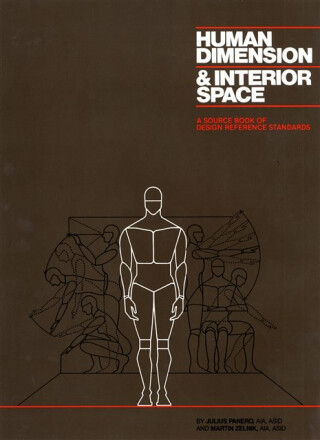
The study of human body measurements on a comparative basis is known as anthropometrics. Its applicability to the design process is seen in the physical fit, or interface, between the human body and the various components of interior space. Human Dimension and Interior Space is the first major anthropometrically based reference book of… Přejít na celý popis


5.0 z 5 hvězdiček
Voucher


5.0 z 5 hvězdiček
Voucher

5.0 z 5 hvězdiček
Voucher
The study of human body measurements on a comparative basis is known as anthropometrics. Its applicability to the design process is seen in the physical fit, or interface, between the human body and the various components of interior space. Human Dimension and Interior Space is the first major anthropometrically based reference book of design standards for use by all those involved with the physical planning and detailing of interiors, including interior designers, architects, furniture designers, builders, industrial designers, and students of design. The use of anthropometric data, although no substitute for good design or sound professional judgment should be viewed as one of the many tools required in the design process. This comprehensive overview of anthropometrics consists of three parts. The first part deals with the theory and application of anthropometrics and includes a special section dealing with physically disabled and elderly people. It provides the designer with the fundamentals of anthropometrics and a basic understanding of how interior design standards are established. The second part contains easy-to-read, illustrated anthropometric tables, which provide the most current data available on human body size, organized by age and percentile groupings. Also included is data relative to the range of joint motion and body sizes of children. The third part contains hundreds of dimensioned drawings, illustrating in plan and section the proper anthropometrically based relationship between user and space. The types of spaces range from residential and commercial to recreational and institutional, and all dimensions include metric conversions. In the Epilogue, the authors challenge the interior design profession, the building industry, and the furniture manufacturer to seriously explore the problem of adjustability in design. They expose the fallacy of designing to accommodate the so-called average man, who, in fact, does not exist. Using government data, including studies prepared by Dr. Howard Stoudt, Dr. Albert Damon, and Dr. Ross McFarland, formerly of the Harvard School of Public Health, and Jean Roberts of the U.S. Public Health Service, Panero and Zelnik have devised a system of interior design reference standards, easily understood through a series of charts and situation drawings. With Human Dimension and Interior Space, these standards are now accessible to all designers of interior environments.
0.0 z 5 0 hodnocení čtenářů
0× 5 hvězdiček 0× 4 hvězdičky 0× 3 hvězdičky 0× 2 hvězdičky 0× 1 hvezdička
Získejte přehled o vývoji ceny za posledních 60 dní.
V říjnu se dny už znatelně zkracují a večery prodlužují. Pro nás...
Vydání šestého dílu série Dvůr trnů a růží, který ponese název Dvůr...
Na podzim je čase vytáhnout trochu jiné knihy, než jsou letní romantiky....
Mysleli jste si, že příběh Olive a Adama skončil poslední stránkou...
Literární svět přišel o jednoho ze svých nejvýraznějších autorů...
Stačí pár kliknutí a můžete se zaposlouchat. Audioknihu si vyberete na...
Přiznávám se bez mučení: tentokrát jsem se nechala zlákat hlavně...
Máme dobrou zprávu pro všechny čtenáře z Třebíče a okolí. Nově nás...
Saving 6 je třetím dílem série Kluci z Tommenu. Je to kniha plná bolesti,...
1 155 Kč s DPH
Jsme transparentní
Co když jsou všechny městské legendy skutečné?
Holland zjistí, že za necelých 24 hodin zemře, pokud nenajde bájné srdce alchymistů. Pátrání ji zavede do tajemného světa magie, kde nemůže věřit ani svému záhadnému ochránci.
Mohlo by vás zajímat
Unesl ji pro peníze, ale zradily ho jeho city...
Iris shání peníze na školné. Lakestone má splnit zakázku, která se týká právě jí. Temná romance o studentce a nájemném zabijákovi, jejichž osudy se nečekaně protnou.
Mohlo by vás zajímat
Další kapitola postapo ságy je tady
Temná velekněžka a Šerif vyrážejí do Pustiny, kde vládnou nájezdníci a pravidla tu moc nectí. Čeká je nebezpečná výprava, tajemství a samozřejmě pořádná dávka akce.
Mohlo by vás zajímat
Literatura přizpůsobená studentům SOU
Učebnice vznikla jako odpověď na potřeby pedagogů i studentů středních odborných učilišť. Srozumitelný, praktický a vizuálně přehledný materiál, který usnadní cestu od prvních literárních období až k maturitě.
Mohlo by vás zajímat
Jedna karta vládne všem?
UNO vyráží do Středozemě. Známý princip odhazování podle barvy nebo čísla zůstává, ale motiv Pána prstenů dodává hře nový sběratelský i fanouškovský rozměr.
Mohlo by vás zajímat
Rychle, zběsile a v měřítku 1:64
Tematická kolekce Hot Wheels® vzdává hold vozům ze světa Rychle a zběsile. Honda S2000 do ní přidává styl, rychlost a pořádnou dávku sběratelského šmrncu.
Mohlo by vás zajímat
Barevná klasika pro přesné linky
STABILO point 88 přináší 10 odstínů pro psaní, kreslení i tvoření detailů. Jemná stopa 0,4 mm pomáhá udržet linku čistou, přesnou a pod kontrolou.
Každý měsíc společně přečteme tisíce knih







Tento web je chráněn službou reCAPTCHA a platí pro něj Zásady ochrany soukromí a Smluvní podmínky. | © 2001–2026 DOBROVSKÝ s.r.o. Všechna práva vyhrazena.









 KnihyDobrovsky.cz
 knihydobrovsky
 @knihydobrovskycz
 @knihydobrovsky