


6 říjnových novinek: romantika, napětí i podzimní atmosféra
V říjnu se dny už znatelně zkracují a večery prodlužují. Pro nás...


Kniha ( pevná vazba )


Při zaslání zboží balíčkem
K nákupu nad 1999 Kč dárek zdarma v hodnotě 299 Kč
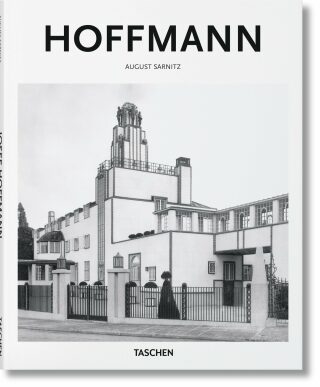
Before aesthete, designer, and architect Josef Hoffmann (1870–1956) came along, Austrian architecture and design was suffocating under a surfeit of opulent ornamentation and bombastic flourish. With his radical new approach and a band of like-minded figures, Hoffmann was a founding father of the Viennese Secession and Wiener Werkstätte, and… Přejít na celý popis


Before aesthete, designer, and architect Josef Hoffmann (1870–1956) came along, Austrian architecture and design was suffocating under a surfeit of opulent ornamentation and bombastic flourish. With his radical new approach and a band of like-minded figures, Hoffmann was a founding father of the Viennese Secession and Wiener Werkstätte, and revolutionized Western aesthetics with a brave new minimalism. A trained architect, Hoffmann lived his life as an extreme aesthete, while also cultivating his image as a bon viveur, a lover of women, a snappy dresser, and a provocative thinker. Gifted with a questing intellect, he continually challenged received orthodoxies and pushed for purer design in buildings and furniture, glass and metalwork. Joining forces with Joseph Maria Olbrich, Gustav Klimt, and Koloman Moser, he founded the Vienna Secession in 1897, and later established the prestigious production community of the Wiener Werkstätte, with its close connection to the Arts and Crafts movement. Over his 60-year career, Hoffmann’s radical approach saw the creation of some of Europe’s first major modernist buildings, such as the Purkersdorf Sanatorium (1904) and the Palais Stoclet (1905–1911), replete with Klimt murals. Many of his homeware designs remain in production to this day. This essential introduction explores Hoffmann’s key ideas, buildings, and designs to examine an essential modernist who continues to directly inform and inspire European aesthetics, from monochrome interior schemes to the cutlery we set on the table.
0.0 z 5 0 hodnocení čtenářů
0× 5 hvězdiček 0× 4 hvězdičky 0× 3 hvězdičky 0× 2 hvězdičky 0× 1 hvezdička
Získejte přehled o vývoji ceny za posledních 60 dní.
V říjnu se dny už znatelně zkracují a večery prodlužují. Pro nás...
Vydání šestého dílu série Dvůr trnů a růží, který ponese název Dvůr...
Na podzim je čase vytáhnout trochu jiné knihy, než jsou letní romantiky....
Mysleli jste si, že příběh Olive a Adama skončil poslední stránkou...
Literární svět přišel o jednoho ze svých nejvýraznějších autorů...
Stačí pár kliknutí a můžete se zaposlouchat. Audioknihu si vyberete na...
Přiznávám se bez mučení: tentokrát jsem se nechala zlákat hlavně...
Máme dobrou zprávu pro všechny čtenáře z Třebíče a okolí. Nově nás...
Saving 6 je třetím dílem série Kluci z Tommenu. Je to kniha plná bolesti,...
Co když jsou všechny městské legendy skutečné?
Holland zjistí, že za necelých 24 hodin zemře, pokud nenajde bájné srdce alchymistů. Pátrání ji zavede do tajemného světa magie, kde nemůže věřit ani svému záhadnému ochránci.
Mohlo by vás zajímat
Další kapitola postapo ságy je tady
Temná velekněžka a Šerif vyrážejí do Pustiny, kde vládnou nájezdníci a pravidla tu moc nectí. Čeká je nebezpečná výprava, tajemství a samozřejmě pořádná dávka akce.
Mohlo by vás zajímat
Další kapitola postapo ságy je tady
Temná velekněžka a Šerif vyrážejí do Pustiny, kde vládnou nájezdníci a pravidla tu moc nectí. Čeká je nebezpečná výprava, tajemství a samozřejmě pořádná dávka akce.
Mohlo by vás zajímat
Učebnice, co drží krok s dobou.
Nová generace učebnic, která jede podle nejnovějšího RVP, ne podle Windows 95.
Mohlo by vás zajímat
Foťák pro malé lovce zážitků
Dětský fotoaparát s okamžitým termotiskem promění každý výlet, oslavu i obyčejné odpoledne v malou foto misi.
Mohlo by vás zajímat
Z filmové garáže na vaši polici
Hot Wheels Premium 84 MUSTANG SVO do sbírky fanoušků Rychle a zběsile i milovníků výrazných sportovních vozů
Mohlo by vás zajímat
Čtení i poslech v jednom zařízení
PocketBook InkPad 4 zvládne e-knihy, audioknihy i převod textu na mluvené slovo.
Každý měsíc společně přečteme tisíce knih



Tento web je chráněn službou reCAPTCHA a platí pro něj Zásady ochrany soukromí a Smluvní podmínky. | © 2001–2026 DOBROVSKÝ s.r.o. Všechna práva vyhrazena.








 KnihyDobrovsky.cz
 knihydobrovsky
 @knihydobrovskycz
 @knihydobrovsky