


Finále VisionQuestu zamíchalo kartami. Co znamená pro Avengers: Doomsday?
Marvel si zjevně řekl, že nás před premiérou Avengers: Doomsday nenechá...


Kniha ( pevná vazba )
1 254 Kč s DPH
Jsme transparentní


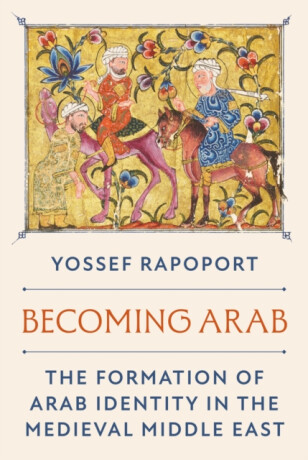
How late medieval Middle Eastern peasants adopted Arab cultural identities and formed village clansDuring the later Middle Ages, peasants in Egypt and Greater Syria came to view themselves as members of Arab clans that had originated in the Arabian Peninsula. They expressed their Arab identity by wearing Arab headgear, adopting an Arab dialect… Přejít na celý popis


5.0 z 5 hvězdiček
Voucher


How late medieval Middle Eastern peasants adopted Arab cultural identities and formed village clansDuring the later Middle Ages, peasants in Egypt and Greater Syria came to view themselves as members of Arab clans that had originated in the Arabian Peninsula. They expressed their Arab identity by wearing Arab headgear, adopting an Arab dialect, and circulating a new genre of popular epic that told heroic tales of pre-Islamic Arabia. In Becoming Arab, Yossef Rapoport argues that this proliferation of Arab village clans did not come about through mass migration and displacement but reflected an internal transformation. Drawing on extensive documentary, literary, administrative, and material evidence, Rapoport shows that the widespread formation of Arab village clans in late medieval Egypt and Greater Syria was a gradual process, the result of mass rural conversion to Islam and a new landholding regime in which peasants shifted from being landowners to being tenants. After the eleventh century, Rapoport contends, Middle Eastern villagers were turning Arab.These Arab village clans were not merely administrative regimes imposed from above; villagers enthusiastically embraced their new identities. New converts to Islam adopted Arab lineages to claim status and as a counter-identity to urban-based Turkish elites. Arab identity was used by clans to mobilize rural uprisings against the ruling sultans and to resolve disputes among villagers. Challenging traditional historiography of the Middle East, which views Arab clansmen as pastoralists whose identity separated them from that of the wider peasantry, Rapoport argues that the pervasive establishment of Arab village clans was the most important development in the history of the Middle Eastern countryside in the Islamic era.
0.0 z 5 0 hodnocení čtenářů
0× 5 hvězdiček 0× 4 hvězdičky 0× 3 hvězdičky 0× 2 hvězdičky 0× 1 hvezdička
Získejte přehled o vývoji ceny za posledních 60 dní.
Marvel si zjevně řekl, že nás před premiérou Avengers: Doomsday nenechá...
Mezi tvými oblíbenými romány se rozsvítila malá japonská ulička. Má...
Listopad si přímo říká o večery strávené s knihou. Venku se brzy...
Po úspěšných knihách s Erikou Fosterovou a Kate Marshallovou se Robert...
Vánoce jsou za dveřmi a s nimi přichází i každoroční otázka: Co letos...
Další díl podcastu Buď inspirující je tady! Tentokrát naše pozvání...
Vánoce už pomalu klepou na dveře a s nimi přichází i každoroční otázka:...
Říká se, že není důležité vyhrát, ale zúčastnit se. Zkuste to...
V předchozím halloweenském čtení jsme se společně ponořili do umění...
1 254 Kč s DPH
Jsme transparentní
Padla do oka netvorovi. Teď už není cesty zpět.
Killian je okouzlující student medicíny s děsivou fascinací smrtí. Glyndon jako jediná zná jeho pravou tvář, a když jí vyhrožuje zabitím, začíná mezi nimi nebezpečná hra.
Mohlo by vás zajímat
Novinka ze světa Haunting Adeline
Sibby cestuje s putovním karnevalem a trestá násilníky, predátory a další zrůdy. Její pravidla jsou jasná, dokud do hry nevstoupí někdo, kdo ji začne přitahovat.
Mohlo by vás zajímat
Aby zachránila svého bratra, nechá se uvěznit
V Endlocku, brutálním vězení kde bohatí loví vězně pro zábavu, však narazí na dozorce, který jí začne být nebezpečně blízký.
Mohlo by vás zajímat
Zlatá horečka mezi chlupatými bandity!
Lišky, straky a mývalové vyrážejí za blyštivou kořistí a nikdo se nechce dělit! V této svižné karetní hře rozhoduje mazanost, správné načasování a schopnost přelstít soupeře.
Mohlo by vás zajímat
Dobrodružství nekončí západem slunce!
Právě naopak, to nejzajímavější může teprve začít! Infračervený dalekohled Albi Science otevírá malým průzkumníkům svět nočního pozorování, ve kterém mohou objevovat, fotografovat a natáčet i za tmy.
Mohlo by vás zajímat
Medvědí služba? Kdepak, medvědí pomoc!
Překlepy a nepovedená slovíčka nemají šanci! Roztomilý medvídek Legami Sweet Bear je zakryje korekční páskou a vy můžete okamžitě pokračovat v psaní.
Každý měsíc společně přečteme tisíce knih





Tento web je chráněn službou reCAPTCHA a platí pro něj Zásady ochrany soukromí a Smluvní podmínky. | © 2001–2026 DOBROVSKÝ s.r.o. Všechna práva vyhrazena.





 KnihyDobrovsky.cz
 knihydobrovsky
 @knihydobrovskycz
 @knihydobrovsky