


Den rozřazení: novinku ze světa Čtvrtého křídla si již můžete předobjednat v češtině
Fanoušci Čtvrtého křídla, máme pro vás skvělou zprávu! Chystaná novinka...


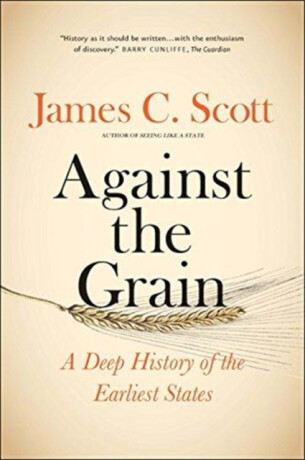
Kniha ( měkká vazba )


An account of all the new and surprising evidence now available that contradicts the standard narrative for the beginnings of the earliest civilizations  An Economist Best History Book 2017  “Scott is one of those rare academics whose writing is a thing of beauty.â€â€”Rana Dasgupta, The Week  “Scott hits the nail squarely on the head… Přejít na celý popis


An account of all the new and surprising evidence now available that contradicts the standard narrative for the beginnings of the earliest civilizations  An Economist Best History Book 2017  “Scott is one of those rare academics whose writing is a thing of beauty.â€â€”Rana Dasgupta, The Week  “Scott hits the nail squarely on the head by exposing the staggering price our ancestors paid for civilization and political order.â€â€”Walter Scheidel, Financial Times  Why did humans abandon hunting and gathering for sedentary communities dependent on livestock and cereal grains, and governed by precursors of today’s states? Most people believe that plant and animal domestication allowed humans, finally, to settle down and form agricultural villages, towns, and states, which made possible civilization, law, public order, and a presumably secure way of living. But archaeological and historical evidence challenges this narrative. The first agrarian states, says James C. Scott, were born of accumulations of domestications: first fire, then plants, livestock, subjects of the state, captives, and finally women in the patriarchal family—all of which can be viewed as a way of gaining control over reproduction.  Scott explores why we avoided sedentism and plow agriculture, the advantages of mobile subsistence, the unforeseeable disease epidemics arising from crowding plants, animals, and grain, and why all early states are based on millets and cereal grains and unfree labor. He also discusses the “barbarians†who long evaded state control, as a way of understanding continuing tension between states and nonsubject peoples.
0.0 z 5 0 hodnocení čtenářů
0× 5 hvězdiček 0× 4 hvězdičky 0× 3 hvězdičky 0× 2 hvězdičky 0× 1 hvezdička
Získejte přehled o vývoji ceny za posledních 60 dní.
Fanoušci Čtvrtého křídla, máme pro vás skvělou zprávu! Chystaná novinka...
Jedna krabice, tisíce příběhů a pořádná dávka knižního Tetrisu! Od 5....
Jsou ženské postavy, se kterými se ztotožníte, nebo je naopak chcete...
Na Alchymii tajemství jsem se těšila hlavně proto, že Stephanie Garber umí...
Knižní blogerka, moderátorka knižních akcí a organizátorka projektu...
Po deseti letech se vracím na místo činu, na počátek velkolepého příběhu...
Vydání šestého dílu série Dvůr trnů a růží, který ponese název Dvůr...
V říjnu se dny už znatelně zkracují a večery prodlužují. Pro nás...
Na podzim je čase vytáhnout trochu jiné knihy, než jsou letní romantiky....
Román s kapkou magie o knihách a druhých šancích
Kolikrát musíte prožít stejný den, abyste konečně začali žít?
Mohlo by vás zajímat
Co kdyby byla Jane Eyrová čarodějka a Thornfield prokletý?
Nad Thornfieldem visí kletba a Jane Airová může být poslední nadějí na její prolomení. Gotická romantasy inspirovaná Janou Eyrovou plná magie, tajemství a nebezpečí.
Mohlo by vás zajímat
Co když jsou všechny městské legendy skutečné?
Holland zjistí, že za necelých 24 hodin zemře, pokud nenajde bájné srdce alchymistů. Pátrání ji zavede do tajemného světa magie, kde nemůže věřit ani svému záhadnému ochránci.
Mohlo by vás zajímat
Literatura přizpůsobená studentům SOU
Učebnice vznikla jako odpověď na potřeby pedagogů i studentů středních odborných učilišť. Srozumitelný, praktický a vizuálně přehledný materiál, který usnadní cestu od prvních literárních období až k maturitě.
Mohlo by vás zajímat
UNO míří do Bradavic
Kouzla, karty a rychlé zvraty. UNO® Harry Potter je snadno pochopitelné, rychlé a vhodné pro 2 až 10 hráčů. Hodí se na rodinné večery, dětské oslavy i setkání fanoušků Bradavic.
Mohlo by vás zajímat
Rychle, zběsile a v měřítku 1:64
Tematická kolekce Hot Wheels® vzdává hold vozům ze světa Rychle a zběsile. Honda S2000 do ní přidává styl, rychlost a pořádnou dávku sběratelského šmrncu.
Mohlo by vás zajímat
Čtení i poslech v jednom zařízení
PocketBook InkPad 4 zvládne e-knihy, audioknihy i převod textu na mluvené slovo.
Každý měsíc společně přečteme tisíce knih







Tento web je chráněn službou reCAPTCHA a platí pro něj Zásady ochrany soukromí a Smluvní podmínky. | © 2001–2026 DOBROVSKÝ s.r.o. Všechna práva vyhrazena.









 KnihyDobrovsky.cz
 knihydobrovsky
 @knihydobrovskycz
 @knihydobrovsky