


6 říjnových novinek: romantika, napětí i podzimní atmosféra
V říjnu se dny už znatelně zkracují a večery prodlužují. Pro nás...


Kniha ( pevná vazba )


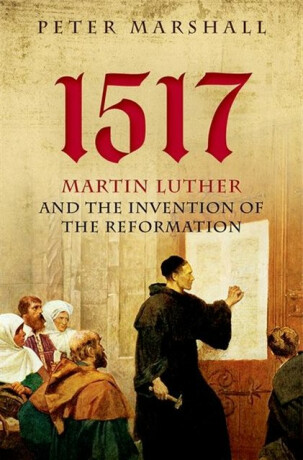
Martin Luther''s posting of the 95 Theses to the door of the Castle Church in Wittenberg on 31 October 1517 is one of the most famous events of Western history. It inaugurated the Protestant Reformation, and has for centuries been a powerful and enduring symbol of religious freedom of conscience, and of righteous protest against the abuse of… Přejít na celý popis


5.0 z 5 hvězdiček
Voucher
Martin Luther''s posting of the 95 Theses to the door of the Castle Church in Wittenberg on 31 October 1517 is one of the most famous events of Western history. It inaugurated the Protestant Reformation, and has for centuries been a powerful and enduring symbol of religious freedom of conscience, and of righteous protest against the abuse of power.But did it actually really happen?In this engagingly-written, wide-ranging and insightful work of cultural history, leading Reformation historian Peter Marshall reviews the available evidence, and concludes that, very probably, it did not. The theses-posting is a myth. And yet, Marshall argues, this fact makes the incident all the more historically significant. In tracing how - and why - a ''non-event'' ended up becoming a defining episode of the modern historical imagination. Marshall compellingly explores the multiple ways in which the figure of Martin Luther, and the nature of the Reformation itself, have been remembered and used for their own purposes by subsequent generations of Protestants and others - in Germany, Britain, the United States and elsewhere.As people in Europe, and across the world, prepare to remember, and celebrate, the 500th anniversary of Luther''s posting of the theses, this book offers a timely contribution and corrective. The intention is not to ''debunk'', or to belittle Luther''s achievement, but rather to invite renewed reflection on how the past speaks to the present - and on how, all too often, the present creates the past in its own image and likeness.
0.0 z 5 0 hodnocení čtenářů
0× 5 hvězdiček 0× 4 hvězdičky 0× 3 hvězdičky 0× 2 hvězdičky 0× 1 hvezdička
Získejte přehled o vývoji ceny za posledních 60 dní.
V říjnu se dny už znatelně zkracují a večery prodlužují. Pro nás...
Vydání šestého dílu série Dvůr trnů a růží, který ponese název Dvůr...
Na podzim je čase vytáhnout trochu jiné knihy, než jsou letní romantiky....
Mysleli jste si, že příběh Olive a Adama skončil poslední stránkou...
Literární svět přišel o jednoho ze svých nejvýraznějších autorů...
Stačí pár kliknutí a můžete se zaposlouchat. Audioknihu si vyberete na...
Přiznávám se bez mučení: tentokrát jsem se nechala zlákat hlavně...
Máme dobrou zprávu pro všechny čtenáře z Třebíče a okolí. Nově nás...
Saving 6 je třetím dílem série Kluci z Tommenu. Je to kniha plná bolesti,...
Další kapitola postapo ságy je tady
Temná velekněžka a Šerif vyrážejí do Pustiny, kde vládnou nájezdníci a pravidla tu moc nectí. Čeká je nebezpečná výprava, tajemství a samozřejmě pořádná dávka akce.
Mohlo by vás zajímat
Kariérní životní šance nebo životní láska?
Alice dostane šanci napsat životopis slavné dědičky. O stejnou zakázku ale usiluje i nepříjemně přitažlivý držitel Pulitzerovy ceny Hayden Anderson…
Mohlo by vás zajímat
Co když jsou všechny městské legendy skutečné?
Holland zjistí, že za necelých 24 hodin zemře, pokud nenajde bájné srdce alchymistů. Pátrání ji zavede do tajemného světa magie, kde nemůže věřit ani svému záhadnému ochránci.
Mohlo by vás zajímat
Matika, co počítá s budoucností.
Učebnice, která propojuje čísla, logiku i technologie. Protože i vzorce jdou s dobou.
Mohlo by vás zajímat
Foťák pro malé lovce zážitků
Dětský fotoaparát s okamžitým termotiskem promění každý výlet, oslavu i obyčejné odpoledne v malou foto misi.
Mohlo by vás zajímat
Rychle, zběsile a v měřítku 1:64
Tematická kolekce Hot Wheels® vzdává hold vozům ze světa Rychle a zběsile. Honda S2000 do ní přidává styl, rychlost a pořádnou dávku sběratelského šmrncu.
Mohlo by vás zajímat
Hadí síla proti jemným vráskám
Lehká textura se rychle vstřebává, nezanechává mastný film a je ideální pro každodenní péči o mužskou pleť 40+.
Každý měsíc společně přečteme tisíce knih






Tento web je chráněn službou reCAPTCHA a platí pro něj Zásady ochrany soukromí a Smluvní podmínky. | © 2001–2026 DOBROVSKÝ s.r.o. Všechna práva vyhrazena.








 KnihyDobrovsky.cz
 knihydobrovsky
 @knihydobrovskycz
 @knihydobrovsky