


KONEČNĚ! Už víme, kdo si zahraje Violet a Xadena v seriálu Čtvrté křídlo
Fanoušci Čtvrtého křídla, TOHLE NENÍ CVIČENÍ! Po nekonečných...


E-kniha
Kniha je ve formátu PDF
399 Kč s DPH
Jsme transparentní
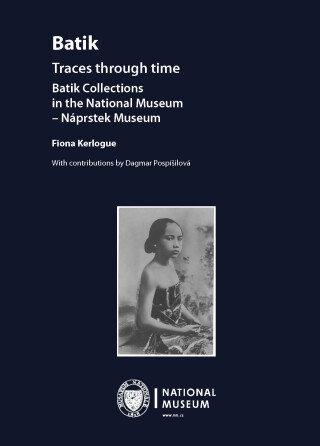
The batik of Java has a special place in museum textile collections and aspects of the art of batik have been discussed at length in countless publications. This study, based on the batik collections of the Náprstek Museum, raises a number of questions which have been so far underexplored. How strong is the evidence for the early… Přejít na celý popis


The batik of Java has a special place in museum textile collections and aspects of the art of batik have been discussed at length in countless publications. This study, based on the batik collections of the Náprstek Museum, raises a number of questions which have been so far underexplored. How strong is the evidence for the early manufacture of batik in Java? How and when did batik-making become widely practised there? Was it made by village women for their own use? How and why did batik develop into an industry employing thousands of people, filling warehouses with stock to be distributed throughout the Indonesian archipelago? What was the effect of the introduction of wax printing and of aniline dyes? It is often asserted that batik carries deep meaning. To what extent is this really the case? When did batik depicting wayang or shadow puppet figures start to be made, and who for? What was the role of calligraphy batiks? And what was it that drew European collectors to batik in the early 20th century? What local circumstances governed
their choices? In a series of essays, this volume explores these questions, drawing on contemporary sources and providing a wealth of new insights.
0.0 z 5 0 hodnocení čtenářů
0× 5 hvězdiček 0× 4 hvězdičky 0× 3 hvězdičky 0× 2 hvězdičky 0× 1 hvezdička
Získejte přehled o vývoji ceny za posledních 60 dní.
Fanoušci Čtvrtého křídla, TOHLE NENÍ CVIČENÍ! Po nekonečných...
Zapomeňte na romantická gesta, květiny a pohodové vztahy. V říjnu se totiž...
Fanoušci Čtvrtého křídla, máme pro vás skvělou zprávu! Chystaná novinka...
Jsou ženské postavy, se kterými se ztotožníte, nebo je naopak chcete...
Jedna krabice, tisíce příběhů a pořádná dávka knižního Tetrisu! Od 5....
Na Alchymii tajemství jsem se těšila hlavně proto, že Stephanie Garber umí...
Knižní blogerka, moderátorka knižních akcí a organizátorka projektu...
Po deseti letech se vracím na místo činu, na počátek velkolepého příběhu...
Vydání šestého dílu série Dvůr trnů a růží, který ponese název Dvůr...
Risa chtěla na univerzitě hlavně nevyčnívat
Jenže jako runová čarodějka má k problémům blíž, než by si přála. Když dostane nabídku přidat se k lovcům nadpřirozených bytostí, čeká ji pořádně divoké dobrodružství.
Mohlo by vás zajímat
Zbloudilé ovečky
Černohumorná rodinná sága o Flynnových, jejichž život se začne hroutit, když Harper odhalí tajemství záhadného miliardáře. Její pátrání totiž brzy ohrozí celou rodinu…
Mohlo by vás zajímat
Žhavá vánoční jízda Tess M. Puffrové
Cinnamon miluje Vánoce, jenže letošní svátky budou mít k idylce daleko. Sexy Jake, protesty, mrtvá těla a hackerské útoky? Tohle budou fakt Merry fucking Christmas.
Mohlo by vás zajímat
Literatura přizpůsobená studentům SOU
Učebnice vznikla jako odpověď na potřeby pedagogů i studentů středních odborných učilišť. Srozumitelný, praktický a vizuálně přehledný materiál, který usnadní cestu od prvních literárních období až k maturitě.
Mohlo by vás zajímat
UNO míří do Bradavic
Kouzla, karty a rychlé zvraty. UNO® Harry Potter je snadno pochopitelné, rychlé a vhodné pro 2 až 10 hráčů. Hodí se na rodinné večery, dětské oslavy i setkání fanoušků Bradavic.
Mohlo by vás zajímat
Z filmové garáže na vaši polici
Hot Wheels Premium 84 MUSTANG SVO do sbírky fanoušků Rychle a zběsile i milovníků výrazných sportovních vozů
Mohlo by vás zajímat
Čtení i poslech v jednom zařízení
PocketBook InkPad 4 zvládne e-knihy, audioknihy i převod textu na mluvené slovo.
Každý měsíc společně přečteme tisíce knih






Tento web je chráněn službou reCAPTCHA a platí pro něj Zásady ochrany soukromí a Smluvní podmínky. | © 2001–2026 DOBROVSKÝ s.r.o. Všechna práva vyhrazena.









 KnihyDobrovsky.cz
 knihydobrovsky
 @knihydobrovskycz
 @knihydobrovsky