

Vzpomínáme na Sama Neilla. Ve svých memoárech zachytil humor, nejistotu i chuť žít
Pro několik generací diváků zůstane především paleontologem Alanem...



Kniha ( měkká vazba )


Set against a social and political urban landscape of segregation and forced removals, Postmodernism and Architecture at the End of Apartheid unpacks postmodernism in the 1970s and 1980s as it unfolds in South Africa during the final brutal decade of apartheid. Architecture and apartheid are central subjects of the book – the ways they came… Přejít na celý popis

5.0 z 5 hvězdiček
Voucher
5.0 z 5 hvězdiček
Voucher
5.0 z 5 hvězdiček
Voucher
5.0 z 5 hvězdiček
VoucherSet against a social and political urban landscape of segregation and forced removals, Postmodernism and Architecture at the End of Apartheid unpacks postmodernism in the 1970s and 1980s as it unfolds in South Africa during the final brutal decade of apartheid. Architecture and apartheid are central subjects of the book – the ways they came to interact simultaneously to both buttress and undermine a country rapidly disintegrating. With battles waged in defence of white minority rule, architects’ turn to postmodernism reflected their disintegrating consciences and commitments in operating in uncertain times. They shared with architects globally a postmodernism steeped in anxiety and despondency, summoning forth classical forms and colonial symbols detached from their surroundings. For some of these architects having studied abroad at the University of Pennsylvania, the route to postmodernism was through their mentor Louis Kahn’s bid to begin architecture anew in transforming ancient ruins as a modern concrete and brick order. For others, influenced by compatriot Denise Scott Brown who had moved to the United States, it was learning by way of her "African view of Las Vegas."Postmodernism and Architecture at the End of Apartheid expands on contemporary discourse in postmodernism and architectural theory, public culture, and urban spatial politics. It examines critical voices of the period – Robert Venturi, Paolo Portoghesi, Colin Rowe, Manfredo Tafuri, Fredric Jameson, and Kenneth Frampton – as well as questions of resistance in different forms and mediums, from the literature of Nadine Gordimer and J.M. Coetzee to grassroots struggle and community participation. Connections between postmodernism and apartheid are uncovered along with the contributions brought by architects in South Africa to a global postmodernism of newly transformed landscapes of neon strips, corporate temples, and white suburban sprawl amidst townships and growing informal settlements.
0.0 z 5 0 hodnocení čtenářů
0× 5 hvězdiček 0× 4 hvězdičky 0× 3 hvězdičky 0× 2 hvězdičky 0× 1 hvezdička
Získejte přehled o vývoji ceny za posledních 60 dní.
Pro několik generací diváků zůstane především paleontologem Alanem...
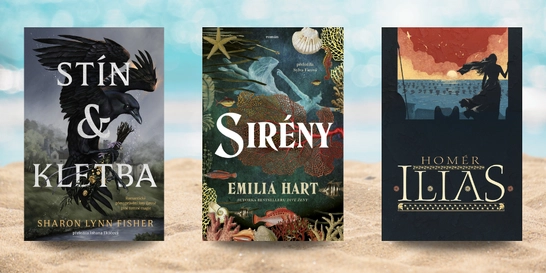
Slunce svítí, prázdniny jsou v plném proudu a spousta z nás si dopřává...

Pokud vám seriál Heated Rivalry (Spalující rivalita) nedal spát a zhlédli...

Život Abby dosud nebyl takový, jaký si představovala. Teprve krátce před...

Taky jste už určitě někdy zažili „reading slump“, neboli situaci, kdy...

Tahle kniha se ke mně původně dostala jen proto, abych ji předala někomu z...
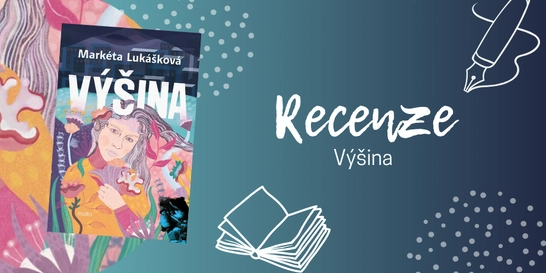
Pokud nevíte, zda sáhnout po „nové Lukáškové“, váš osobní...

Nestihli jste naše žhavé literární odpoledne na Masarykově nádraží, nebo...
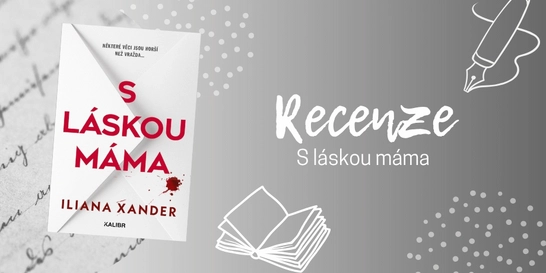
Po dočtení poslední knihy, která byla na můj vkus až příliš...
Král Nezemě si přichází pro další dívku a nic ho nezastaví
Temná verze Petra Pana plná nebezpečí, vášně a vztahů, které bolí i přitahují.

Mohlo by vás zajímat
První detektivka od královny české fantastiky
Příběh, jaký by napsala Agatha Christie, kdyby chtěla, aby byl její hrdina Čech s krizí středního věku.
Mohlo by vás zajímat
Zběsilý postapo svět. Tvrdá pravidla.
Druhý díl, který přitvrzuje. Sněgoňová & Kotleta servírují Arénu, kde přežijí jen ti nejtvrdší. Ostatní skončí jako krmivo.
Mohlo by vás zajímat
Sedm okruhů, jasný plán, méně stresu
Postupně projdete požadavky Cermatu, zopakujete teorii a vyzkoušíte si více než 300 testových úloh.
Mohlo by vás zajímat
Modrá klasika do každé aktovky
Žádné zbytečné kouzlení, jen poctivý sešit pro každodenní psaní.
Mohlo by vás zajímat
Od obyčejné smyčky k námořnickým trikům
Na tábor, skautskou výpravu, chatu i cestování. Sada Uzlík vás naučí vázat uzly od těch nejjednodušších až po zapeklité námořnické specialitky.
Mohlo by vás zajímat
Barevné ptačí balancování
Barvy, textury i zvuky společně lákají děti k objevování znovu a znovu.
Mohlo by vás zajímat
Kapitola u bazénu? Klidně.
Vodotěsné provedení vám dovolí číst u vody, na pláži i ve vaně bez zbytečných obav.
Každý měsíc společně přečteme tisíce knih







Tento web je chráněn službou reCAPTCHA a platí pro něj Zásady ochrany soukromí a Smluvní podmínky. | © 2001–2026 DOBROVSKÝ s.r.o. Všechna práva vyhrazena.






 KnihyDobrovsky.cz
 knihydobrovsky
 @knihydobrovskycz
 @knihydobrovsky