
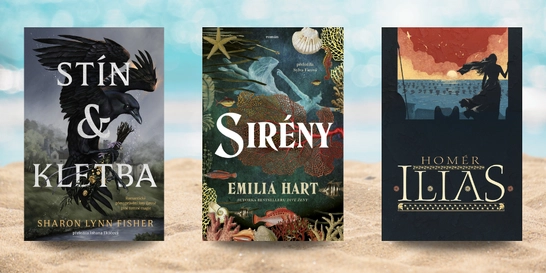
6 červencových novinek, které si přibalit na dovolenou
Slunce svítí, prázdniny jsou v plném proudu a spousta z nás si dopřává...



Kniha ( pevná vazba )


At once a realist and a visionary, an architect and a builder, Otto Wagner innovated a new era in building-making. Born in Vienna, the visionary architect made his presence felt—he pioneered the use of materials like glass, steel, and aluminum, in a ceaseless experimentation with form that would come to redefine Viennese structural identity,… Přejít na celý popis

At once a realist and a visionary, an architect and a builder, Otto Wagner innovated a new era in building-making. Born in Vienna, the visionary architect made his presence felt—he pioneered the use of materials like glass, steel, and aluminum, in a ceaseless experimentation with form that would come to redefine Viennese structural identity, and urban architecture altogether.Otto Wagner (1841–1918) is one of the most significant figures of turn-of-the-century architecture. He was associated with the Viennese Secession, a group of artists and designers headed by Gustav Klimt that initiated a departure from the conservative style of the Viennese Künstlerhaus. Wagner’s visionary approach, described as structural rationalism, pioneered the use of materials such as glass, steel, and especially aluminum to redefine Viennese structural identity. From the imposing Austrian Postal Savings Bank to the scintillating St. Leopold Church at Steinhof, one of the most important Art Nouveau churches in the world: Discover the breadth of Wagner’s career as well as the political, economic, and social dynamics of his time. This incisive overview features a map locating all of the architect’s most renowned projects and recent, fresh photography from masters like Keiichi Tahara.Each book in TASCHEN’s Basic Architecture series features: an introduction to the life and work of the architect the major works in chronological order information about the clients, architectural preconditions as well as construction problems and resolutions a list of all the selected works and a map indicating the locations of the best and most famous buildings approximately 120 illustrations (photographs, sketches, drafts, and plans)The authorAugust Sarnitz is a practicing architect and professor of history and theory of architecture at the Akademie der bildenden Künste in Vienna. His many publications include books on R. M. Schindler, Lois Welzenbacher, Ernst Lichtblau, Adolf Loos, and E. A. Plischke.
5.0 z 5 1 hodnocení čtenářů
1× 5 hvězdiček 0× 4 hvězdičky 0× 3 hvězdičky 0× 2 hvězdičky 0× 1 hvezdička
Získejte přehled o vývoji ceny za posledních 60 dní.
Slunce svítí, prázdniny jsou v plném proudu a spousta z nás si dopřává...

Pokud vám seriál Heated Rivalry (Spalující rivalita) nedal spát a zhlédli...
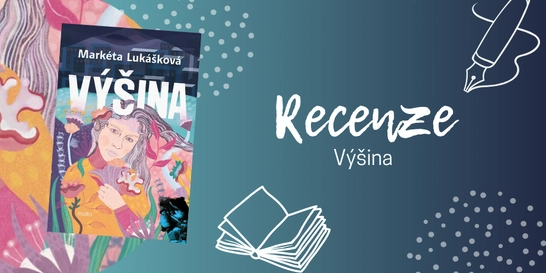
Pokud nevíte, zda sáhnout po „nové Lukáškové“, váš osobní...

Tahle kniha se ke mně původně dostala jen proto, abych ji předala někomu z...

Nestihli jste naše žhavé literární odpoledne na Masarykově nádraží, nebo...
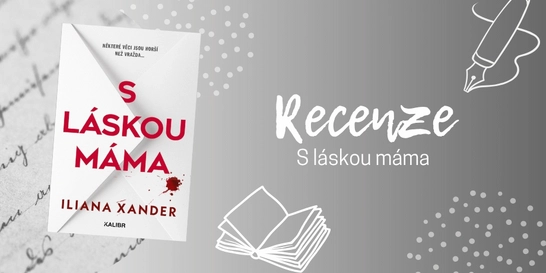
Po dočtení poslední knihy, která byla na můj vkus až příliš...
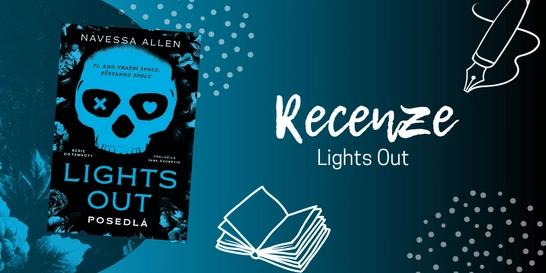
Už jste také někdy spadli do pasti algoritmu sociálních sítí? Znáte to....
Ne vždycky má člověk chuť vyrážet na nákup do obchodního centra. Někdy...
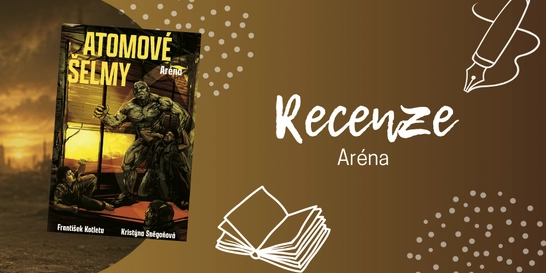
Pokud jste unavení ze všech těch varování, že světu hrozí atomová válka...
Nová gotická dark romance
Mrtví živé učí. Anatomie hříchu v rukou nebezpečně přitažlivého patologa

Mohlo by vás zajímat
Caraval vrcholí!
Tella, Scarlett i Legenda stojí před rozhodnutími, která změní jejich osudy. Ve hře je láska, moc i budoucnost celého království.
Mohlo by vás zajímat
Léto na ranči měl být útěk od problémů..
Místo klidu ji čeká přitažlivý šerif, stará tajemství a pocit, že ji někdo sleduje.
Mohlo by vás zajímat
Učebnice, co drží krok s dobou.
Nová generace učebnic, která jede podle nejnovějšího RVP, ne podle Windows 95.
Mohlo by vás zajímat
Ať víte, kdy je matika, keramika i posilovna
Rozvrhy, kroužky, poznámky i důležité termíny pěkně pohromadě. Praktický školní kalendář pomůže sladit povinnosti i volný čas bez zbytečného zmatku.
Mohlo by vás zajímat
UNO, tvrdší než kdy předtím
Nelítostné karty, brutální postihy, škodolibá radost a taktické bitvy!
Mohlo by vás zajímat
Královna oslavy!
Cleo září ve zlatém outfitu a přináší monstrózní narozeninovou radost. Přidejte ji do své sbírky Monster High a rozjeďte párty!
Mohlo by vás zajímat
Barevná zábava pro malé umělce
Ideální aktivita na klidné odpoledne, deštivý den nebo kreativní chvilku bez obrazovek.
Každý měsíc společně přečteme tisíce knih







Tento web je chráněn službou reCAPTCHA a platí pro něj Zásady ochrany soukromí a Smluvní podmínky. | © 2001–2026 DOBROVSKÝ s.r.o. Všechna práva vyhrazena.






 KnihyDobrovsky.cz
 knihydobrovsky
 @knihydobrovskycz
 @knihydobrovsky