
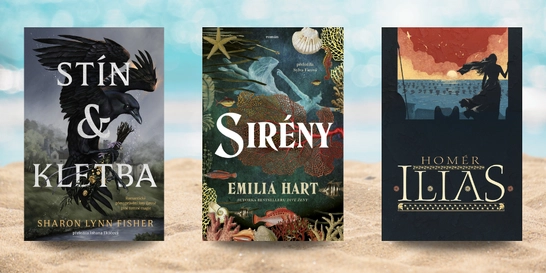
6 červencových novinek, které si přibalit na dovolenou
Slunce svítí, prázdniny jsou v plném proudu a spousta z nás si dopřává...



Kniha ( pevná vazba )


When the American War of Independence broke out, the American, British and French intelligence agencies were particularly well structured, but it soon became apparent to all involved that victory hinged on sound political and military intelligence. While Britain and France had a tradition of conducting espionage, the Americans struggled with… Přejít na celý popis

5.0 z 5 hvězdiček
Voucher
5.0 z 5 hvězdiček
Voucher
5.0 z 5 hvězdiček
Voucher
5.0 z 5 hvězdiček
VoucherWhen the American War of Independence broke out, the American, British and French intelligence agencies were particularly well structured, but it soon became apparent to all involved that victory hinged on sound political and military intelligence. While Britain and France had a tradition of conducting espionage, the Americans struggled with an intelligence service that was almost always markedly inferior. Even so, despite this disadvantage, it was they who prevailed. Right from the start, General George Washington had been keenly aware of the importance of the espionage and counterintelligence roles. Under his supervision, several networks of spies operated in both close-knit circles and far-reaching societies. The undercover agents were merchants, tailors, farmers, and other extraordinary patriots with ordinary day jobs. Benjamin Franklin took responsibility for covert action, while John Jay oversaw the counterintelligence work. All three men were all honoured by the CIA in 1997 as the Founding Fathers of the American intelligence services. The British, in particular, required information about geography and terrain unfamiliar to their forces. The British, for example, conducted a campaign of trying to win over the American public and especially the enslaved people of African descent. They also relied in part on spies such as Benedict Arnold, whose name later became synonymous with treason and betrayal. Discounting technology, there are few differences between modern espionage and the techniques and methods of 250 years ago. Double agents, secret writing, dead drops, clandestine meetings, code-making and breakings, sabotage, bribery deception, signals, propaganda, and partisan warfare were all very much in evidence during the revolution. Both sides also mounted disinformation campaigns to confuse and mislead. In no small part, the outcome of a number of Civil War battles, such as Lexington, Concord and Yorktown, owed much to the use of intelligence and the work of America’s spymaster, Agent 711 – General George Washington.
0.0 z 5 0 hodnocení čtenářů
0× 5 hvězdiček 0× 4 hvězdičky 0× 3 hvězdičky 0× 2 hvězdičky 0× 1 hvezdička
Získejte přehled o vývoji ceny za posledních 60 dní.
Slunce svítí, prázdniny jsou v plném proudu a spousta z nás si dopřává...

Pokud vám seriál Heated Rivalry (Spalující rivalita) nedal spát a zhlédli...
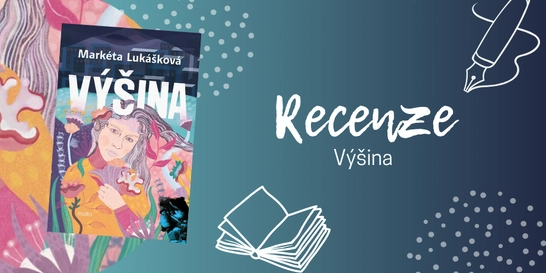
Pokud nevíte, zda sáhnout po „nové Lukáškové“, váš osobní...

Tahle kniha se ke mně původně dostala jen proto, abych ji předala někomu z...

Nestihli jste naše žhavé literární odpoledne na Masarykově nádraží, nebo...
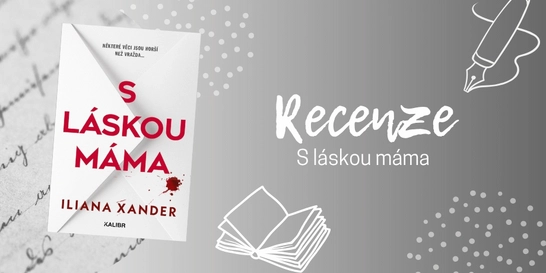
Po dočtení poslední knihy, která byla na můj vkus až příliš...
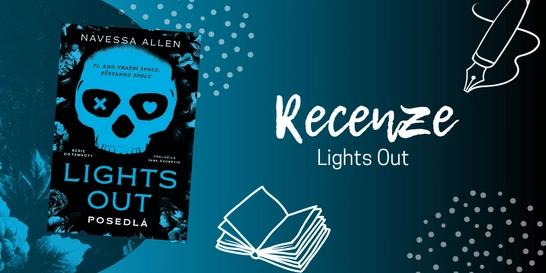
Už jste také někdy spadli do pasti algoritmu sociálních sítí? Znáte to....
Ne vždycky má člověk chuť vyrážet na nákup do obchodního centra. Někdy...
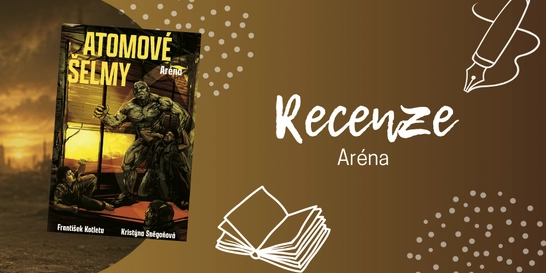
Pokud jste unavení ze všech těch varování, že světu hrozí atomová válka...
Zběsilá postapo jízda pokračuje
Hřbitov není místo pro slabé povahy ani pro romantické procházky za soumraku. Postapo nářez plný mutací, šílenství a bohů, kteří možná nikdy neměli být probuzeni.

Mohlo by vás zajímat
Nový román Viktorie Hanišové
Když se její otec upálí před Poslaneckou sněmovnou, začne Lada hledat důvody jeho činu.
Mohlo by vás zajímat
Tři ženy, pět století, jedno tajemství...
Dechberoucí příběh o ženské síle, odhodlání a hlubokém spojení s přírodou.
Mohlo by vás zajímat
Učebnice, co drží krok s dobou.
Nová generace učebnic, která jede podle nejnovějšího RVP, ne podle Windows 95.
Mohlo by vás zajímat
Modrá klasika do každé aktovky
Žádné zbytečné kouzlení, jen poctivý sešit pro každodenní psaní.
Mohlo by vás zajímat
UNO, tvrdší než kdy předtím
Nelítostné karty, brutální postihy, škodolibá radost a taktické bitvy!
Mohlo by vás zajímat
Mohlo by vás zajímat
Kapitola u bazénu? Klidně.
Vodotěsné provedení vám dovolí číst u vody, na pláži i ve vaně bez zbytečných obav.
Každý měsíc společně přečteme tisíce knih






Tento web je chráněn službou reCAPTCHA a platí pro něj Zásady ochrany soukromí a Smluvní podmínky. | © 2001–2026 DOBROVSKÝ s.r.o. Všechna práva vyhrazena.






 KnihyDobrovsky.cz
 knihydobrovsky
 @knihydobrovskycz
 @knihydobrovsky