

Vzpomínáme na Sama Neilla. Ve svých memoárech zachytil humor, nejistotu i chuť žít
Pro několik generací diváků zůstane především paleontologem Alanem...



Kniha ( měkká vazba )


This book is the first comprehensive investigation of the architecture of the apartheid state in the period of rapid economic growth and political repression from 1957 to 1966 when buildings took on an ideological role that was never remote from the increasingly dominant administrative, legislative and policing mechanisms of the regime. It… Přejít na celý popis

5.0 z 5 hvězdiček
Voucher
5.0 z 5 hvězdiček
Voucher
5.0 z 5 hvězdiček
Voucher
5.0 z 5 hvězdiček
Voucher
This book is the first comprehensive investigation of the architecture of the apartheid state in the period of rapid economic growth and political repression from 1957 to 1966 when buildings took on an ideological role that was never remote from the increasingly dominant administrative, legislative and policing mechanisms of the regime. It considers how this process reflected the usurpation of a regional modernism and looks to contribute to wider discourses on international postwar modernism in architecture.
Buildings in Pretoria that came to embody ambitions of the apartheid state for industrialisation and progress serve as case studies. These were widely acclaimed projects that embodied for apartheid officials the pursuit of modernisation but carried latent apprehensions of Afrikaners about their growing economic prospects and cultural estrangement in Africa. It is a less known and marginal story due to the dearth of material and documents buried in archives and untranslated documents. Many of the documents, drawings and photographs in the book are unpublished and include classified material and photographs from the National Nuclear Research Centre, negatives of 1960s from Pretoria News and documents and pamphlets from Afrikaner Broederbond archives.
State architecture became the most iconic public manifestation of an evolving expression of white cultural identity as a new generation of architects in Pretoria took up the challenge of finding form to their prospects and beliefs. It was an opportunistic faith in Afrikaners who urgently needed to entrench their vulnerable and contested position on the African continent. The shift from provincial town to apartheid capital was swift and relentless. Little was left to stand in the way of the ambitions and aim of the state as people were uprooted and forcibly relocated, structures torn down and block upon block of administration towers and slabs erected across Pretoria.
This book will be of great interest to students and scholars of architectural history as well as those with an interest in postcolonial studies, political science and social anthropology.
0.0 z 5 0 hodnocení čtenářů
0× 5 hvězdiček 0× 4 hvězdičky 0× 3 hvězdičky 0× 2 hvězdičky 0× 1 hvezdička
Získejte přehled o vývoji ceny za posledních 60 dní.
Pro několik generací diváků zůstane především paleontologem Alanem...

Slunce svítí, prázdniny jsou v plném proudu a spousta z nás si dopřává...

Pokud vám seriál Heated Rivalry (Spalující rivalita) nedal spát a zhlédli...

Život Abby dosud nebyl takový, jaký si představovala. Teprve krátce před...

Taky jste už určitě někdy zažili „reading slump“, neboli situaci, kdy...

Tahle kniha se ke mně původně dostala jen proto, abych ji předala někomu z...
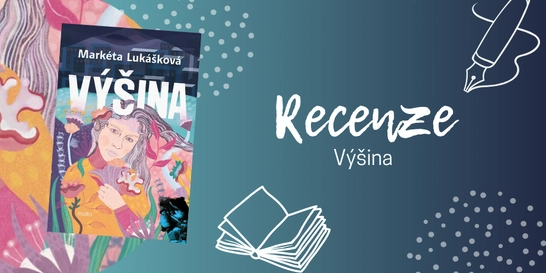
Pokud nevíte, zda sáhnout po „nové Lukáškové“, váš osobní...

Nestihli jste naše žhavé literární odpoledne na Masarykově nádraží, nebo...
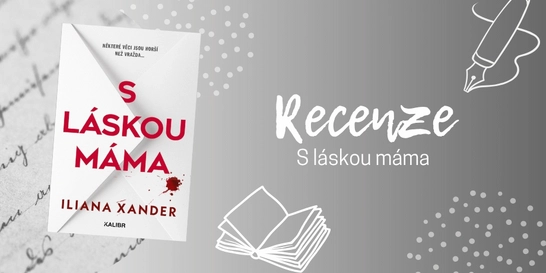
Po dočtení poslední knihy, která byla na můj vkus až příliš...
Každý konec je začátek něčeho nového
Po smrti manžela odjíždí Pixie na francouzský zámek, který spolu koupili. Místo nového začátku tam ale objeví tajemství, které jí převrátí celý život.

Mohlo by vás zajímat
Nová gotická dark romance
Mrtví živé učí. Anatomie hříchu v rukou nebezpečně přitažlivého patologa
Mohlo by vás zajímat
Léto na ranči měl být útěk od problémů..
Místo klidu ji čeká přitažlivý šerif, stará tajemství a pocit, že ji někdo sleduje.
Mohlo by vás zajímat
Učebnice, co drží krok s dobou.
Nová generace učebnic, která jede podle nejnovějšího RVP, ne podle Windows 95.
Mohlo by vás zajímat
Ať víte, kdy je matika, keramika i posilovna
Rozvrhy, kroužky, poznámky i důležité termíny pěkně pohromadě. Praktický školní kalendář pomůže sladit povinnosti i volný čas bez zbytečného zmatku.
Mohlo by vás zajímat
UNO, tvrdší než kdy předtím
Nelítostné karty, brutální postihy, škodolibá radost a taktické bitvy!
Mohlo by vás zajímat
První skládačka plné barev
Jednoduchý šestiúhelník je ideální pro děti, které začínají poznávat svět skládání. Dílky se dobře drží v ruce a přirozeně vedou k soustředění i trpělivosti.
Mohlo by vás zajímat
Barevná zábava pro malé umělce
Ideální aktivita na klidné odpoledne, deštivý den nebo kreativní chvilku bez obrazovek.
Každý měsíc společně přečteme tisíce knih







Tento web je chráněn službou reCAPTCHA a platí pro něj Zásady ochrany soukromí a Smluvní podmínky. | © 2001–2026 DOBROVSKÝ s.r.o. Všechna práva vyhrazena.






 KnihyDobrovsky.cz
 knihydobrovsky
 @knihydobrovskycz
 @knihydobrovsky