
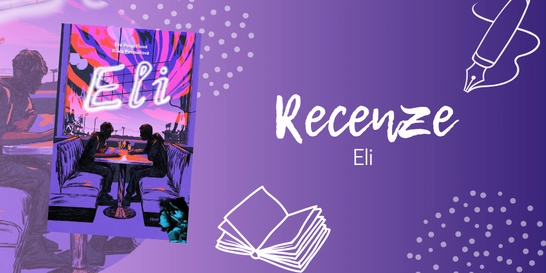
Eli: queer romance plná bolesti i ryzí lásky | RECENZE
Tahle kniha se ke mně původně dostala jen proto, abych ji předala někomu z...



Kniha ( měkká vazba )
627 Kč s DPH
Jsme transparentní


Při zaslání zboží balíčkem
K nákupu nad 1699 Kč dárek zdarma v hodnotě 198 Kč
Stalinova baletka - Příběh odvahy a boje o přežití v sovětském Rusku
When this book was first published it received some attention from the critics but none at all from the public. Nazism was finished in the bunker in Berlin and its death warrant signed on the bench at Nuremberg. That's Milton Mayer, writing in a foreword to the 1966 edition of They Thought They Were Free. He's right about the critics: the book… Přejít na celý popis

5.0 z 5 hvězdiček
Voucher
5.0 z 5 hvězdiček
Voucher
5.0 z 5 hvězdiček
Voucher
5.0 z 5 hvězdiček
Voucher
When this book was first published it received some attention from the critics but none at all from the public. Nazism was finished in the bunker in Berlin and its death warrant signed on the bench at Nuremberg. That's Milton Mayer, writing in a foreword to the 1966 edition of They Thought They Were Free. He's right about the critics: the book was a finalist for the National Book Award in 1956. General readers may have been slower to take notice, but over time they did what we've seen over decades is that any time people, across the political spectrum, start to feel that freedom is threatened, the book experiences a ripple of word-of-mouth interest. And that interest has never been more prominent or potent than what we've seen in the past year. Mayer, an American journalist of German descent, traveled to Germany in 1935 in attempt to secure an interview with Hitler. He failed, but what he saw in Berlin chilled him. He quickly determined that Hitler wasn't the person he needed to talk to after all. Nazism, he realized, truly was a mass movement; he needed to talk with the average German. He found ten, and his discussions with them of Nazism, the rise of the Reich, and mass complicity with evil became the backbone of this book, an indictment of the ordinary German that is all the more powerful for its refusal to let the rest of us pretend that our moment, our society, our country are fundamentally immune. A new foreword to this edition by eminent historian of the Reich Richard J. Evans puts the book in historical and contemporary context. We live in an age of fervid politics and hyperbolic rhetoric. They Thought They Were Free cuts through that, revealing instead the slow, quiet accretions of change, complicity, and abdication of moral authority that quietly mark the rise of evil.
0.0 z 5 0 hodnocení čtenářů
0× 5 hvězdiček 0× 4 hvězdičky 0× 3 hvězdičky 0× 2 hvězdičky 0× 1 hvezdička
Získejte přehled o vývoji ceny za posledních 60 dní.
Tahle kniha se ke mně původně dostala jen proto, abych ji předala někomu z...

Nestihli jste naše žhavé literární odpoledne na Masarykově nádraží, nebo...
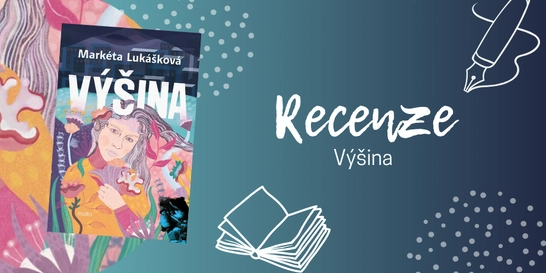
Pokud nevíte, zda sáhnout po „nové Lukáškové“, váš osobní...
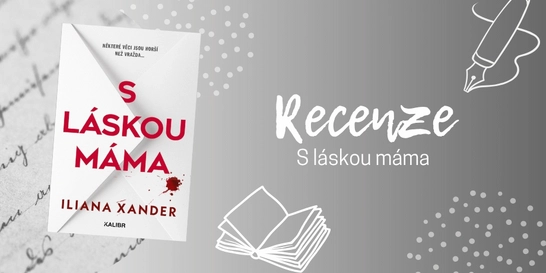
Po dočtení poslední knihy, která byla na můj vkus až příliš...
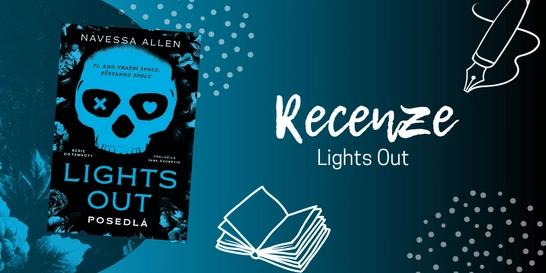
Už jste také někdy spadli do pasti algoritmu sociálních sítí? Znáte to....
Ne vždycky má člověk chuť vyrážet na nákup do obchodního centra. Někdy...
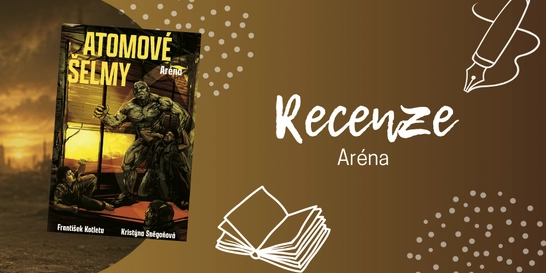
Pokud jste unavení ze všech těch varování, že světu hrozí atomová válka...

Od letošního CinemaConu už uběhlo pár týdnů, ale moje nadšení z...
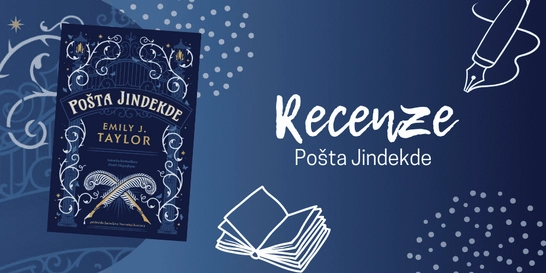
Po knize Pošta Jindekde jsem sáhla hlavně proto, že mám tvorbu Emily J....
Co se skrývá za dveřmi tajné knihovny ve starém zámku?
První díl nové série zve děti na výpravu plnou záhad, kouzel a příběhů, které si zamilují.

Mohlo by vás zajímat
Caraval vrcholí!
Tella, Scarlett i Legenda stojí před rozhodnutími, která změní jejich osudy. Ve hře je láska, moc i budoucnost celého království.
Mohlo by vás zajímat
Nová temná romance od Tess M. Puffrové
Měl to být nový začátek. Místo toho ji čeká nebezpečně přitažlivý student, stalking a les plný tajemství, která se neměla dostat ven.
Mohlo by vás zajímat
Kdo jako první vyloží všechny dílky?
Jednoduchá pravidla. Napínavá hra. Barevná bitva může začít!
Mohlo by vás zajímat
Mohlo by vás zajímat
Malý kousek galerie na knížky, drobnosti i menší nákup
Plátěná taška Paperblanks Natsu díky pevné bavlněné látce unese až 7 kg.
Mohlo by vás zajímat
Batůžek s psím srdcem
Ať už míří do školy, na výlet nebo za kamarády, oblíbený psí hrdina Gump bude dětem dělat společnost na každém kroku.
Každý měsíc společně přečteme tisíce knih







Tento web je chráněn službou reCAPTCHA a platí pro něj Zásady ochrany soukromí a Smluvní podmínky. | © 2001–2026 DOBROVSKÝ s.r.o. Všechna práva vyhrazena.






 KnihyDobrovsky.cz
 knihydobrovsky
 @knihydobrovskycz
 @knihydobrovsky